






Listen to this post: Balancing Oyinbo Lifestyle with Nigerian Home Training Abroad
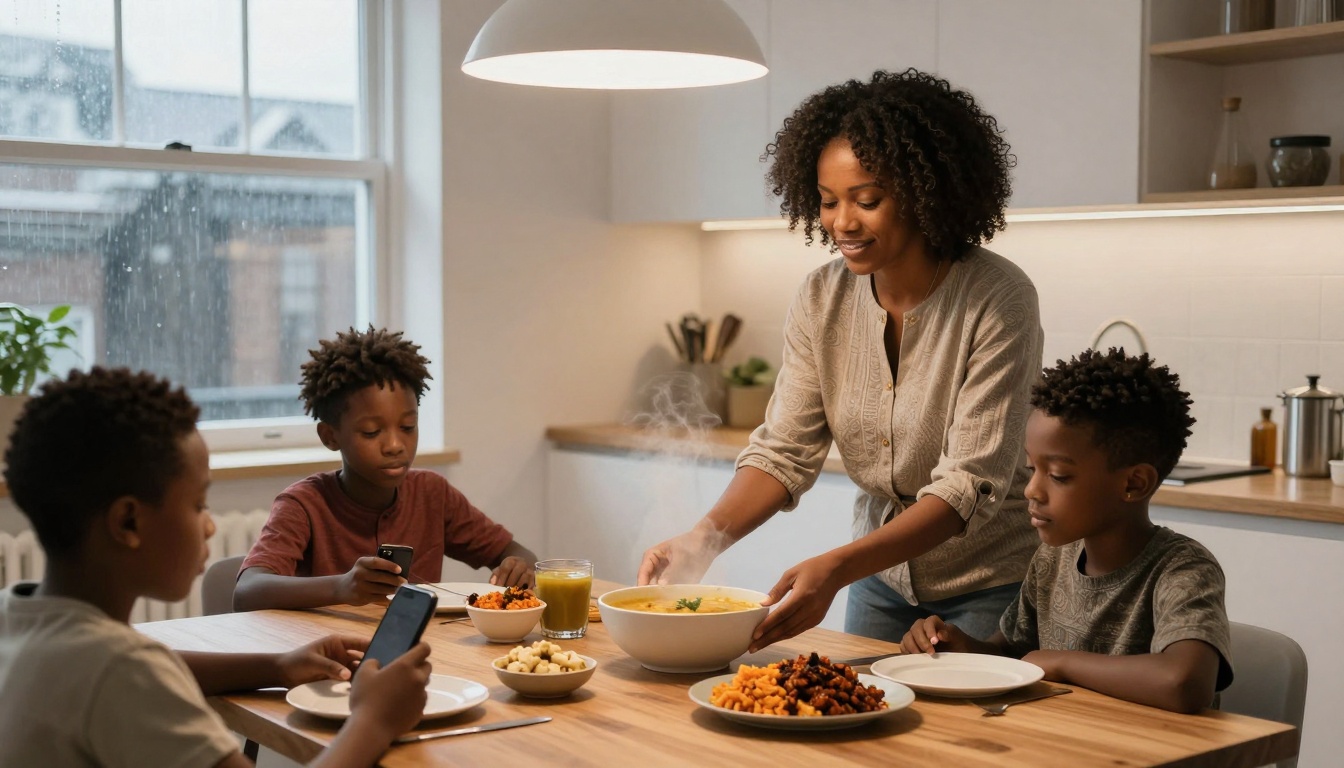
Picture this: a Nigerian family sits down for dinner in their quiet London flat. Mum serves pounded yam and egusi soup, fresh from the market that morning. But her teenage son slouches in, phone in hand, greets her with a casual “hi” like he does his school mates, and digs in without a proper “good evening, Mummy.” She frowns, her voice sharp. “Is that how we do in Naija?” The air thickens with tension. Sounds familiar?
Oyinbo lifestyle pulls from Pidgin for those Western habits: casual chats, solo meals, bold independence. Nigerian home training means respect for elders, family duty, quiet discipline drilled in from Lagos markets to village compounds. Abroad, Nigerians face a tug-of-war. Kids soak up school freedoms while parents hold to roots. This post shows how to blend both. You’ll see what oyinbo means day-to-day, clashes families face, simple tips to mix cultures, and stories of those thriving. From bustling Abuja streets to rainy Manchester evenings, keep your identity strong.
Understanding Oyinbo Lifestyle and Nigerian Home Training
Nigerians abroad spot oyinbo ways in small things. A child waves goodbye to parents without kneeling. Friends hug aunties like equals. These shifts feel natural in new lands but jar against home lessons.
The Meaning of Oyinbo in Everyday Life
Oyinbo stems from Pidgin, once for pale-skinned foreigners but now any Western trait. Think eating burgers alone at midnight or dating without family nod. It’s self-reliance: kids pack their own lunches, speak up in class. Positives shine too. That independence builds confidence; questioning rules sparks thought. Yet it clashes when a teen skips prostrating for grandma’s visit. Families notice it in hugs over bows, fast food over family pots.
Core Elements of Nigerian Home Training
Home training shapes character. Respect elders first: greet with “Aunty good morning,” help carry bags without ask. Hard work follows; chores build grit, no pocket money needed. Family duty binds all: share meals, support siblings, honour parents even afar.
Take Chioma’s home in Enugu. Kids swept compounds daily, fetched water, listened to folktales at night. No backchat; silence showed obedience. Abroad, this fades. Parents stress these to fight drift. A boy helps mum shop without grudge. A girl calls grandma weekly. These acts keep bonds tight, values alive.
Common Challenges for Nigerian Families Abroad
Life abroad tests Nigerian families. Kids pick school slang, forget Yoruba phrases. Parents push traditions amid peer pull. Tensions rise at dinner tables or school runs. Data shows Nigerian diaspora challenges abroad grow with time. One study notes parents rethink discipline to dodge social services.
Generational Clashes and Lost Traditions
Teens roll eyes at “greet properly.” Holidays pass without ashoe or fireworks; Netflix wins over storytelling. Parents see disrespect in shrugs, questions as rebellion. “My teacher says it’s okay,” kids retort. Mums recall village aunties scolding freely; here, neighbours stay silent.
In the UK, one mum faced court threats for a slap. Read travails of Nigerian parents struggling to raise children abroad. Elders demand bows; youth crave equality. Traditions slip: no jollof feasts, faded wrappers gather dust.
Struggling with Identity and Belonging
Kids juggle worlds. School friends tease “weird” names; they shorten to fit. Language fades; pidgin stumbles. “Am I Naija or British?” they wonder. Parents worry over lost roots, like in this parent’s concern about kids knowing Nigeria.
Peer pressure hits hard. Bullying over akara lunches pushes chips. Family rules feel strict: no sleepovers, church first. Siblings split too; elders cling to Naija ways, young ones go full local. Isolation bites; no village to share load.
Practical Tips to Blend Both Cultures Successfully
Balance works with effort. Families cook jollof weekly, chat values over tea. Tools from diaspora groups help. Pick tips balancing Nigerian culture abroad: set home rules, join communities. Strength lies in mix, not choice.
Build Strong Home Habits and Connections
Start meals together. No phones; share day tales in Igbo or Pidgin. Cook Nigerian dishes midweek; let kids stir stew. Watch Nollywood films Saturdays. Practice language: 20 minutes daily flashcards.
Plan Nigeria trips. Touch red soil, hug cousins. Video calls bridge gaps; grandparents teach proverbs. Chores rotate: laundry teaches duty. One family turned car rides to song sessions, blending Burna Boy with hymns. Habits stick when fun.
See how to keep your Nigerian culture alive while living abroad for more ideas. These build pride without force.
Talk Openly and Find Community Support
Explain “why”: respect honours lineage, not blind rule. “Ask polite,” teach code-switch: home strict, school free. Listen to fears; validate school views.
Join Nigerian churches. Kids see peers greet elders, dance azonto. Associations host picnics; play games, swap stories. Avoid lone fights; community lifts. Parents take classes on local laws, mix firmness with calm talks. Open chats mend rifts; kids feel heard, values hold.
Success Stories and Emerging Trends
Families thrive with blends. Ada in Canada shares: weekly jollof nights plus school debates teach respect and voice. Her teens speak fluent French, greet in Yoruba. Communication wins; no yelling, just chats.
Tunde’s lot in Manchester visits Naija yearly. Kids love it now, not dread. They mix Afrobeats playlists with grime. One study of Nigerian immigrants’ parenting changes shows shifts to talks over smacks.
By 2026, trends point hybrid kids: proud Naija-Western. Tech aids: WhatsApp ties to home, apps teach languages. Churches grow; groups push visits. Parents pick core values: respect stays, discipline softens. Remittances flow, bonds endure. Social media shares culture clips; no more lost links. Future bright for balanced lives.
Conclusion
Blend oyinbo freedoms with home training for full lives abroad. Understand clashes, build habits, talk open, seek community. Trends favour hybrids; your family can lead.
Proudly mix: jollof Tuesdays, respectful chats, Nigeria pride. Kids gain roots and wings. Share your story below. How do you balance? Drop tips; let’s build each other.
(Word count: 1,472)








