
Listen to this post: Are Nigerian Youth More Religious Online Than in Real Life?
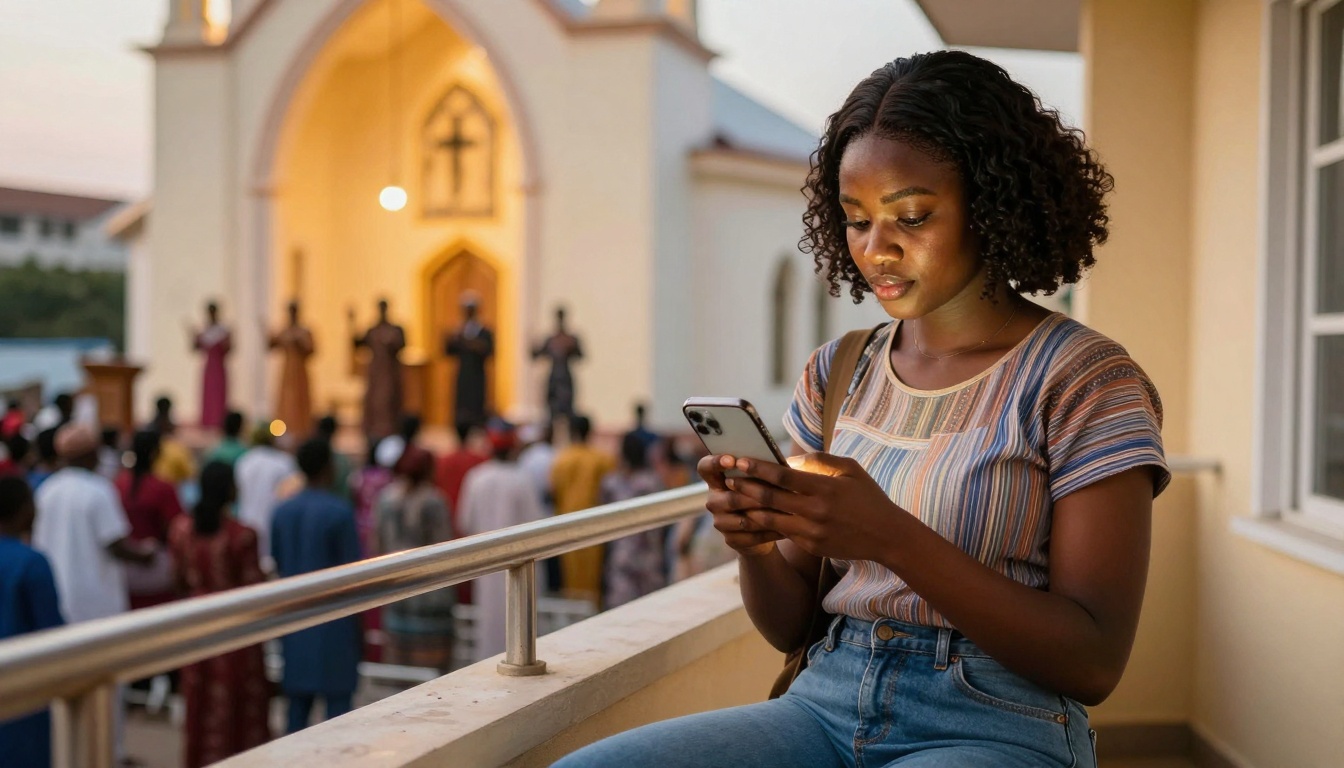
Picture a young woman in Lagos. She scrolls TikTok at night, shares a prayer emoji under a gospel song remix, then posts a Bible verse story on Instagram. Come Sunday, she joins the crowd at church, singing loud hymns amid the heat and chatter. Does her online faith outshine her real-life devotion? Many ask if Nigerian youth show more religion online than offline.
Data paints a mixed picture. Recent surveys like Afrobarometer reveal that over 70% of Nigerians, youth included, still practise faith often, with prayer central to daily life. Yet church attendance dips among some under 35, while social media bursts with testimonies and reels. Studies from 2023 to 2025 note high online sharing on TikTok and Instagram, but no numbers prove it’s “more” than offline roots. Gaps in fresh stats leave room for debate.
This piece looks at offline faith first, then online habits, key differences, and what it all means. Nigeria’s youth blend old traditions with new screens, shaping a unique culture. Understanding this helps grasp how faith thrives in a fast-changing world.
Nigerian Youth’s Deep Offline Faith
Nigerian youth hold faith close in everyday life. Surveys show strong ties to religion. Afrobarometer data from 2024 points to most under 35 praying daily and attending services weekly. Trust in religious leaders beats faith in politicians. In bustling cities like Lagos or quiet towns in Kano, youth pack churches and mosques.
Faith anchors their world. It guides choices amid hardship, from job hunts to family ties. Picture packed pews on Sundays, voices rising in song, or dawn prayers on mats. These acts build community and hope.
Weekly Worship and Prayer Habits
Youth flock to services often. Afrobarometer notes over 70% practise several times a week. Churches in Lagos overflow with young faces, drums beating gospel rhythms. Mosques in the north see similar crowds at Jumu’ah prayers.
Prayer stays daily for most. Many wake early, kneel in quiet rooms, seeking strength. Realtime studies up to 2025 confirm personal devotion holds firm, even as formal ties loosen a bit. This rhythm keeps faith alive.
Faith’s Role in Youth Daily Lives
Religion shapes big decisions. A student in Abuja asks a pastor for exam guidance. Another in Enugu turns to imams during tough times. Faith offers comfort against poverty or unrest.
It binds families too. Youth join evening prayers, share iftar meals in Ramadan, or celebrate Christmas with feasts. Leaders counsel on marriage, careers, even politics. Recent Pew updates show religion matters “very much” to most youth lives. This deep weave makes faith more than ritual; it’s a lifeline.
Religion Takes Centre Stage Online for Nigerian Youth
Social media lights up with faith for Nigeria’s youth. They follow pastors on Instagram, share TikTok prayers, and join WhatsApp Bible groups. A 2025 study on faith-based social media in southeast Nigeria highlights how platforms reshape devotion.
Youth mix verses with memes, testimonies with dances. Viral clips of miracles rack up views. Algorithms push content fast, from Ibadan teens reposting sermons to Abuja users live-streaming revivals. Online faith feels fresh, tied to pop culture.
Top Platforms and Shared Content
WhatsApp leads with prayer chains and verse shares. TikTok explodes in short prayers, gospel challenges, dance-alongs to hymns. Instagram reels mix quotes with selfies, stories flash daily devotions.
Exposure hits hard. Youth scroll hours, see faith amid trends. A quick “God did it” post after a win goes viral. Platforms like YouTube host full sermons for on-demand viewing.
Religious Influencers and Online Communities
Pastors and imams draw huge follows. Youth message them for advice, join live Q&As. Peers form groups, debate scriptures freely.
Communities thrive. One TikToker in Port Harcourt builds a fanbase with testimony threads. Others critique “fake prophets,” sparking chats. A 2025 paper on digital Christianity in Nigeria shows these spaces foster bonds beyond church walls.
Online Faith vs Real Life: Spotting the Differences
Online faith looks bold, but offline roots run deep. No survey from 2023-2026 says youth are “more religious” digitally. Instead, screens add layers to core practices. Picture a shy lad in church, head down; online, he posts fiery verses to cheers.
Offline demands presence: sweat in services, family duties. Online lets quick shares, no travel needed. Algorithms favour faith posts, boosting views. Yet physical rituals like communion or salah hold unique weight.
Some youth air doubts online, a minority per reports. Performative posts chase likes, while real life tests true grit.
Why Online Feels Bolder
Screens free speech. Youth test ideas away from elders’ eyes. A teen experiments with faith mixes, gets peer nods.
No peer pressure matches offline stares, but likes fuel shares. Identity plays out safe: bold prayers one minute, memes next. Realtime insights note this shift aids personal growth.
Data Gaps and What We Know
Hard numbers lack. Afrobarometer tracks offline high, like daily prayer. Online studies describe trends, not counts. A Gen Z paper flags declining attendance but rising digital shares. No direct “more online” proof.
Qualitative views fill in: youth blend both, with screens amplifying voice. Future surveys could measure posts versus pews.
Conclusion
Nigerian youth cherish faith offline through prayer and services, online via shares and communities. No data shows more religion digitally; it complements strong roots. Screens add flair, ease expression, but real life endures.
This blend signals culture’s shift: personal, connected devotion. Watch local youth; do they pray more in chats or mosques? Share your thoughts below. Future studies may clarify as tech grows.
Nigeria’s faithful youth paint a hopeful picture, faith evolving yet firm.