
Listen to this post: Are Nigerian Weddings Becoming Competitions Instead of Celebrations?
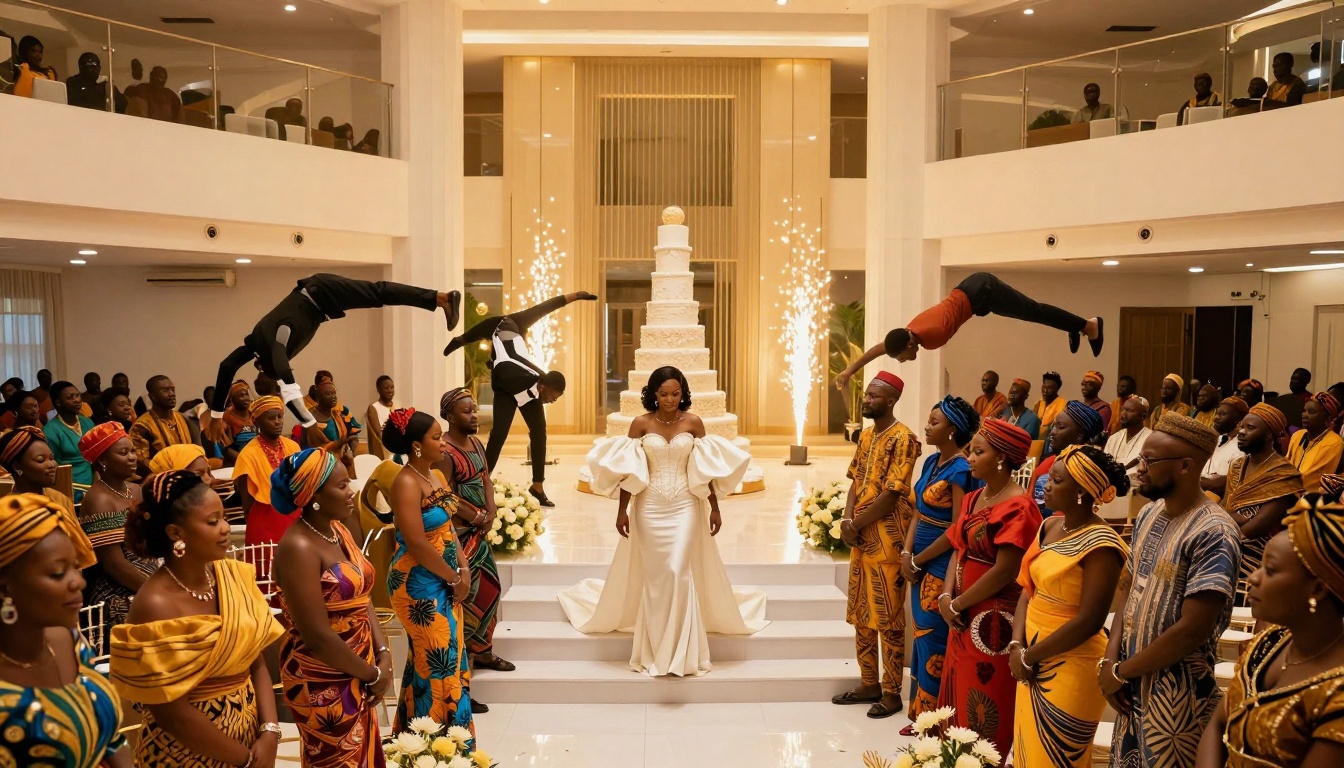
Picture this: blaring Afrobeats shake the air as 500 guests in matching aso-ebi outfits flood a Lagos hall. The bride descends a grand staircase in a corset gown with dramatic sleeves, her entrance captured by drone for TikTok. Groomsmen follow with choreographed flips. A seven-tier cake towers over fireworks, and the night spills into an after-party. It’s a Nigerian wedding in full swing.
But is this a joyful union or a high-stakes showdown? Nigerian weddings seem to have shifted. From 2025 into 2026, trends lean towards glamour: multiple outfit changes, bold colours, and social media stunts. Couples chase viral fame while costs soar into millions of Naira. Families stretch budgets thin to match peers.
This matters because weddings unite communities and mark life’s big steps. Yet pressure to impress turns delight into debt for many. We’ll unpack the trends, social media’s role, financial tolls, and voices calling for change. By the end, you’ll see if celebrations still shine through the competition.
Glamorous Trends Shaping Nigerian Weddings Today
Nigerian weddings dazzle more than ever. Brides swap up to five outfits, from beaded corset dresses to flowing ankara gowns. Grooms match in tailored suits with bold embroidery. Cakes stack higher, often seven tiers tall, topped with fresh flowers or LED lights. Decor fills venues with chandeliers, floral walls, and themed backdrops that scream luxury.
Couples blend culture and modernity. Yoruba brides add coral beads to sleek silhouettes. Igbo grooms rock velvet caps with sharp agbada. After-parties keep energy high with DJs and live bands into dawn. Content creators roam, phones out for reels. These elements turn events into polished productions. Guests expect spectacle, not just vows.
The vibe feels electric, almost theatrical. One Lagos bride in 2025 hired pyrotechnics for her aisle walk. Smoke and sparks lit her path as cameras rolled. Such moments make memories, but they also spark comparisons. What starts as fun risks becoming a race to outshine.
Outfits and Aso-Ebi: Matching Status Symbols
Aso-ebi sets the tone. Families buy uniform fabrics, often pricey lace or silk, to show unity and wealth. Groups compete: whose design sells fastest or shines brightest? Brides lead with veils trailing metres and sleeves puffed like clouds.
Grooms “slay” too. They switch from traditional caps to Western tuxes, groomsmen synced in colours and dances. Bridal trains grow long, each lady vying for the best pose. It’s status on display. In 2026, gold threads and Swarovski details mark the elite. Yet this flair binds kin, even as it hints at rivalry.
Venues, Decor, and Viral Moments
Luxury spots dominate. Think Eko Hotels or Dubai-inspired beach setups shipped to Abuja. Halls glow with crystal drapes and infinity pools. Cakes rival skyscrapers; fireworks burst at cake cuts.
Couples craft “wow” entrances for Instagram. Choreographed dances, confetti cannons, or horse-drawn carriages go viral fast. One 2025 couple trended with a helicopter drop. Planners stress feeds over feasts. These touches thrill, but they demand perfection.
Social Media Pressure and Rising Expectations
Instagram and TikTok rule wedding plans. Couples scroll viral clips and feel the pull to top them. Outfits must “pop” in filters; venues need ring lights. Families push for trends, saying “it has to slay online.”
A study on Igbo weddings shows platforms twist traditions. Brides tweak rites for likes, losing some authenticity. Content creators join as extras, filming BTS for 10 million views. Hashtags like #NigerianRoyalWedding set bars sky-high.
Expectations balloon. Guests judge via stories; aunties compare in WhatsApp groups. Couples hire separate videographers for Reels. What was once intimate now chases algorithms. Joy fades when likes dictate the day. Still, some find fame and fun in the glow.
Budgets climb as a result. Simple joys like family dances take back seats to sponsored posts. The shift feels real: weddings serve feeds first.
The Hidden Costs: Financial Strain on Families
Nigerian weddings hit wallets hard. A recent report pegs the average at ₦13 million for young couples. That’s proposals, traditional rites, and white ceremonies combined. Middle-class events start at ₦5-10 million; high-end ones top ₦20-50 million with celebs and abroad legs.
Break it down. Outfits alone: ₦2-5 million for bride’s changes and aso-ebi runs. Venues and decor: another ₦3-10 million. Vendors, from caterers feeding 800 to DJs, add millions. Planners charge ₦1-3 million. Fireworks or droners? Extra fees.
Families hustle. Parents save for years or borrow from co-ops. One Abuja clerk shared her story: sold land for her son’s ₦15 million do. Post-wedding, rent lagged; loans piled up. Another couple crowdfunded via Instagram Lives, guests pledging amid dances.
Not all splash cash. Rural ties stay modest at ₦500,000. But urban pressure stings. Gossip brands small events “cheap.” Big weddings often leave couples broke, facing honey moons in debt. Shame drives excess; joy gets lost.
Cultural Pushback: Calls for Simpler Celebrations
Critics speak out. Elders lament: weddings mock sacred vows with shows. Pastors decry debt over devotion. Youth echo this online, dubbing extravagance “Yahoo weddings” for fake flex.
Materialism irks many. Focus skips marriage prep for parties. One viral thread asked: why debt for a day? Debt traps young pairs; divorce rates tick up amid stress.
Yet defenders cheer the vibe. Nigerians love big bashes; they knit communities. Modern twists like minimalist court weddings gain fans. Chic suits and coral accents mix old and new, minus the bloat. Abuja couples host 50 guests at registries, then intimate feasts. Savings fund homes.
Balance emerges. Trends push competition, but roots hold: love, dance, jollof. Simpler paths bloom as pushback grows.
Weddings blend competition and celebration. Trends and social media fuel extravagance, straining purses and traditions. Yet at heart, they honour love, family, culture.
Choose wisely. Prioritise shared laughs over likes. Opt for meaningful touches: heartfelt speeches, close kin. Affordable joys last longer than viral clips.
What’s your view on Nigerian weddings? Share your stories below. Let’s chat about keeping the party real.