
Listen to this post: Why Nigerians Can’t Resist Commenting on Everything Online
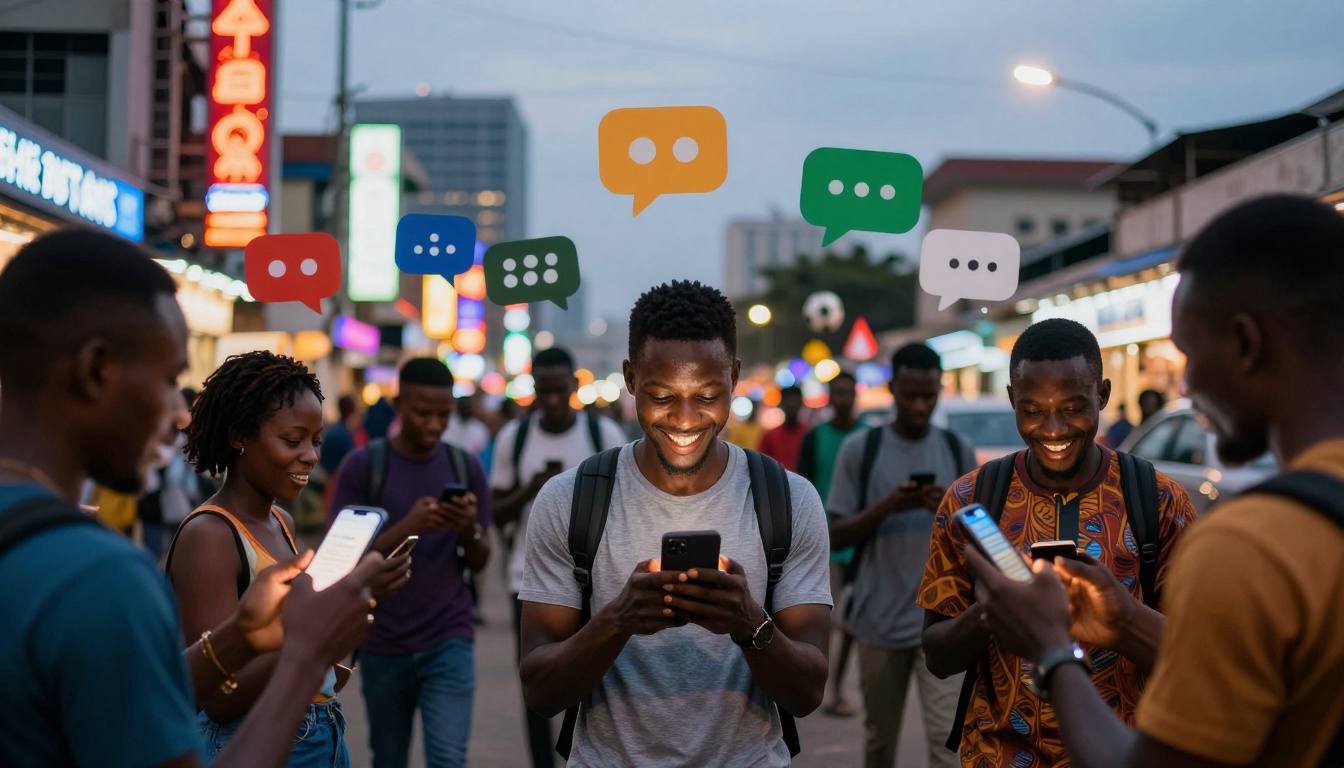
Picture this: it’s a tense evening in Lagos. The Super Eagles score in a crucial Africa Cup of Nations match. Twitter erupts. Facebook groups light up. WhatsApp status updates flood in. Within minutes, thousands of Nigerians flood comment sections with cheers, jabs, memes, and full debates. One post about a politician’s gaffe draws 5,000 replies in hours. It’s not rare. It’s daily life.
Nigeria boasts 104.4 million internet users, about half its population. Around 30 to 40 million people use social media actively. They spend roughly five hours a day online, one of the highest averages worldwide. Mobile phones drive it all, with 97 million accessing the web that way. Why this frenzy? Why do Nigerians comment on football results, election scandals, celebrity outfits, even global trends like Oscar wins?
This habit stems from deep cultural roots, social pressures, economic realities, and psychological hooks. Nigerians turn online spaces into lively town halls. You’ll see sharp wit in pidgin English, heated arguments over governance, and viral roasts that spread like wildfire. In this piece, we unpack the scale of it, cultural sparks, social drivers, and mental pulls. Stick around for fresh insights into what makes Nigerian feeds so alive.
The Huge Scale of Nigerian Online Chatter
Nigeria’s online world buzzes non-stop. Over 104 million people connect via the internet, half the nation’s 229 million residents. Social media draws 30 to 40 million users. They log five hours daily on average, mostly on phones. This volume fuels endless comments. Feeds overflow during big events. A single tweet on fuel prices can spark 10,000 replies overnight.
High engagement shows in platform stats. Facebook leads with 38.7 million users. TikTok follows at 37.4 million. YouTube has 27 million, Instagram nearly 10 million. WhatsApp binds it all, used by most for chats and forwards. Growth surges yearly. Mobile access hits 97 million, making comments instant and widespread.
Stats That Show the Frenzy
Key figures paint the picture. DataReportal’s Digital 2026 Nigeria report logs 104.4 million internet users. Penetration sits at 50%. Youth aged 18 to 34 dominate, over 60% of active users. They average five hours online daily for ages 16 to 64. This time pours into comments. Boredom meets cheap data plans. One viral post pulls thousands of quick hits.
Pensations vary by source. Some peg social users at 38 million on Facebook alone. Overlaps mean 30 to 40 million unique accounts. Mobile-first habits amplify it. Fixed broadband lags at under 200,000. Phones keep everyone in the mix.
Top Platforms Where Comments Explode
Facebook hosts marathon threads. Political rants draw 1,000-plus replies. Twitter, now X, thrives on real-time clashes. A match hashtag trends with savage takes. WhatsApp groups buzz privately, then spill public. YouTube comments under Afrobeats videos turn into fan wars.
TikTok shorts spark quick roasts. Snapchat streaks lead to story replies. Forums like Nairaland simmer with long debates on jobs or scams. Picture a Premier League goal: feeds explode in pidgin cheers and rival taunts. No quiet corners online.
Cultural Habits That Spark Endless Comments
Nigerians love to talk. Markets once hummed with banter. Radio call-ins debated chiefs and chiefs. Now, that energy floods comment boxes. Oral traditions live on digitally. People gather in threads like old village squares. Collective spirit binds them. One voice joins many for belonging.
Humour rules. Memes mock leaders with clever twists. Pidgin slang packs punches: “No gree for anybody” went viral in 2024, urging grit. Comments blend English, Yoruba, Igbo for flair. Wit wins likes. Status fades online; sharp words earn respect. A simple celeb photo post balloons into roast fest.
Premium Times noted how social media birthed these expressions. Phrases stick fast. Debates feel like family arguments, passionate yet fun.
From Village Talks to Digital Debates
Village meetings once solved feuds under baobab trees. Now, Facebook mimics them. Elders share wisdom; youth fire back. Nairaland threads echo town criers. Politics heats up like market haggling. Everyone chimes in. It’s natural. Silence feels wrong in a culture that values input.
Football mirrors it. Super Eagles losses spark blame games online, just as bars once did. Shift feels seamless. Phones replace stools.
Humour and Slang as Comment Superpowers
Funny lines spread like jollof rice at parties. A pidgin diss on a bad referee goes mega. “Wetin dey happen?” hooks replies. Slang like “japa” for fleeing woes trends. Viral comments motivate more. One laugh starts chains. Creators thrive on shares.
Examples abound. Election memes roast candidates. They pull thousands, blending shade and smarts.
Social and Economic Drivers Behind the Habit
Youth bulge powers it. Over 70% under 30 face job hunts. Phones offer escape. Five hours online beat idle waits. Low trust in officials sparks rants. Leaders promise; comments call bluffs. Economic squeezes like inflation give time. Hustle shifts online: promote gigs in threads.
Hot topics ignite. Politics divides by tribe, governance fails. Football unites in rivalries: Arsenal vs Chelsea fans clash live. Celebs feed drama: Afrobeats stars’ beefs draw sides. Matches and polls turn feeds into battlegrounds.
Youth Power and Daily Life Pressures
Unemployment hits 33% for youth. Phones cost less than laptops. Cheap bundles fuel scrolls. Comments vent frustration. A power outage post collects sympathy piles. It’s outlet amid waits for breaks.
Boredom bites in traffic jams. Live tweets from danfo buses spark pile-ons.
Why Politics, Football, and Celebs Ignite Fights
Elections brew storms. #EndSARS comments showed fury, as one study detailed interactive rage. Super Eagles slips draw “sack the coach” choruses. Premier League loyalties split friends online.
Wizkid vs Davido spats explode. Threads dissect outfits, hits. Tribal hints spice politics. Live wars keep keyboards hot.
Psychological Pulls Keeping Fingers on Keyboards
Everyone craves a voice. Offline, many feel sidelined. Online, comments amplify. Likes validate sharp points. Replies build clout. Anonymity frees bold shots; no face-to-face fallout. FOMO hits hard on news breaks. Miss a scandal? You’re out.
Self-promo thrives. Drop links, gain followers. Nairaland hones debate chops. Nigerian style pops: emotional, multilingual blasts stand global. Boldness draws eyes.
Reuters Institute highlights X’s role in accountability. Creators break stories via comments.
The Thrill of Likes and Viral Fame
One killer line nets 1,000 likes. Status soars. Viral fame opens doors: gigs, chats. Dopamine rush keeps posting. Sharp commenter becomes “thread king.” Boost feels real in tough times.
Wrapping Up the Comment Craze
Nigeria’s online chatter blends culture’s talkative soul, youth pressures, economic idles, and mental highs from validation. Positives shine: vibrant discourse holds power to account, spreads joy via memes. Downsides lurk in toxicity, fake news piles.
Yet it marks passionate spirits. Next big match or scandal, watch feeds ignite. What pulls you to comment? Share below. Observe your own habits; they mirror a nation’s pulse.
(Word count: 1492)