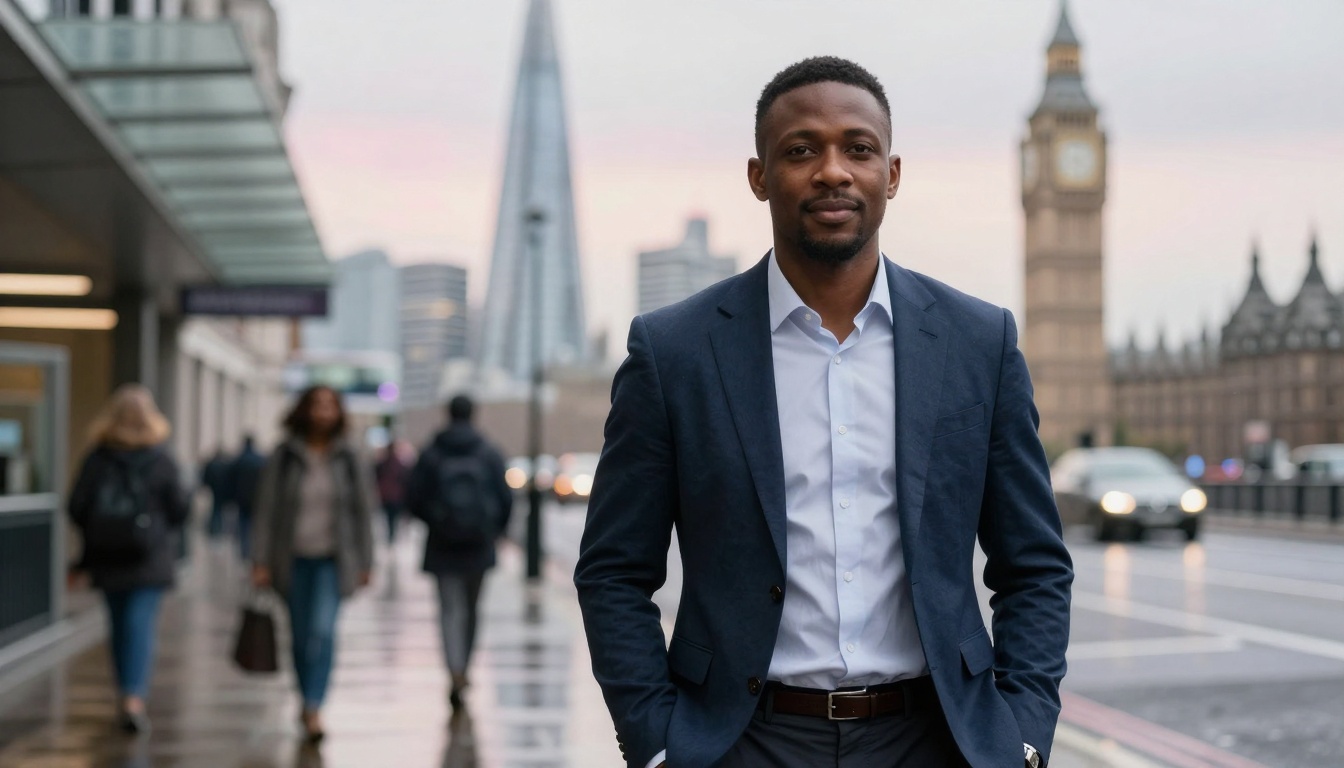

Listen to this post: Navigating Racism and Microaggressions as a Nigerian in the UK
Picture this: You step off the plane at Heathrow, Lagos behind you, London ahead. Dreams of better jobs, schools, and streets buzz in your head. The air feels crisp, full of promise. But as you queue for immigration, heads turn. A subtle stare here, a whisper there. “Where you from, mate?” someone asks with a smile that doesn’t reach their eyes. Welcome to life as a Nigerian in the UK.
Over 120,000 Nigerians call this country home now. Many chase skilled work or family ties. Yet racism and microaggressions shadow daily life. Open hate flares in slurs or attacks. Quieter cuts come through offhand comments or cold shoulders. Recent years brought rises: far-right riots in 2024 targeted migrants, and hate crimes spiked. Police recorded 137,550 hate crimes across England and Wales to March 2025, with race the top motive at about 70%. Black people, including Nigerians, face outsized risks, making up 23% of known victims despite being just 4% of the population.
This piece breaks it down. You’ll see real examples, fresh stats from the Home Office, and steps to cope. Nigerians bring energy to London’s markets, Manchester’s classrooms, and beyond. But thriving means spotting the traps and pushing back. Let’s walk through it together.
What Racism and Microaggressions Look Like for Nigerians
Racism hits hard and direct. Think slurs yelled on buses or stones thrown at homes. Microaggressions sneak in softer. They pile up like rain on a window, blurring your view over time. For Nigerians, these often tie to accents, names, or skin. A colleague skips your handshake but grips the next person’s firm. Or a shopkeeper follows you aisle by aisle.
Data backs the toll. About 75% of women of colour report workplace racism, like ignored ideas or name mocks, per Fawcett Society work. Black victimisation rates in crimes hit 12.1%, far above averages. The UN labels it structural: systems that quietly favour some. Nigerians fit the Black African group in stats. With over 120,000 here, many feel the weight on mental health. Confidence dips. Stress builds. Have you caught yourself second-guessing your place?
These slights erode self-worth. They whisper you’re not quite British enough, no matter your passport. One study on Ghanaian and Nigerian youth in London shows trauma from such barriers, mixed with community strength.
Everyday Examples in Shops, Streets, and Workplaces
Spot them anywhere. In Tesco queues, a hand reaches for your braids: “Can I touch?” You freeze, smile forced. At work, “You speak good English” lands after a flawless pitch. Your accent, thick with Naija pride, draws laughs in meetings.
Streets bring over-policing. Walk past a pub, and sirens follow. Job hunts? CVs with “Chukwuemeka” get binned faster. Runnymede Trust notes women of colour face extra bias. Immigration fears tag Nigerians: “Go home” graffiti post-riots.
These sting because they repeat. One day it’s hair, next it’s skills assumed low. Over months, they grind down joy.
Key Stats That Show the Scale
Numbers paint the picture clear. To March 2025, England and Wales saw 137,550 hate crimes, up from before. Race drove 70%. Black victims filled 23% of recorded cases, per Home Office data, against their 4% population share.
Homicide odds for Black people run four times higher. Surveys show 59% of UK-born Black people sense group discrimination. No solo Nigerian tally exists; they roll into Black African counts. Crime Survey estimates 176,000 incidents yearly, many unreported micro-slights. Northern Ireland hit record race crimes too.
Black communities bear heavy loads. These figures scream action needed.
Real Challenges Nigerians Face in UK Life
Daily hurdles stack across sectors. Work doubts competence. Police stop-search Black folks more. Housing agents hesitate on “ethnic” names. Health waits drag longer. Far-right riots in 2024 shook places like Southport, migrants in crosshairs. Many Nigerians note falling tolerance.
Walk Manchester nights now, and tension hums. “Many feel unsafe on streets,” one community leader shared. Empathy grows when you see the layers: not just hate, but policies that pinch.
Afridac highlights disparities in jobs, homes, crimes. Nigerians, often on skilled visas, juggle bias and bureaucracy.
Work and Education Hurdles
Offices ignore your input. “Sorry, didn’t hear you,” they say, then praise the white echo. CV name tweaks boost call-backs 50%, studies show. Nigerians on visas face extra CV scrutiny.
Schools bully over jollof smells or pidgin slips. Runnymede flags gaps: Black students lag in top grades partly from bias. UN reports echo it. You study hard, yet doors stick.
Public Spaces and Immigration Pressures
Post-riots, streets feel hostile. Belfast saw record race incidents to September 2025. Nigerians got 26,715 skilled visas in 2023, but rules tightened. Racism meets policy squeeze.
Parks, buses, shops: eyes linger. Microaggressions like “You here legally?” double the hit.
Practical Steps to Handle and Push Back
You can’t erase it all, but you control your response. Spot slights fast. Call them out calm. Document dates, words, witnesses. Allies amplify your voice.
Build resilience through groups, therapy. Report via police or Stop Hate UK. Self-care matters: affirm your roots daily. Jollof nights with mates recharge.
Empowerment flips the script. You’re not the problem; ignorance is.
A study on racial microaggressions for med students shows naming it reduces harm.
Responding in the Moment Without Losing Cool
Breathe first. For name mocks: “It’s Chidi, pleased to meet you.” Pause. Smile steady.
Hair touch: “Please don’t, it’s personal.” In meetings, repeat bold: “As I said earlier…”
Practice mirrors these. Cool heads win respect.
Finding Support and Building Strength
Join Nigerian hubs like London groups or church networks. Runnymede Trust offers guides. Chat mates; stories heal.
Vote local. Advocate online. Therapy tackles trauma buildup. Exercise, prayer, afrobeats playlists ground you.
Long-term, strength grows collective.
Thriving Amid the Storm
Nigerians spot racism in slurs and subtle jabs. Stats confirm the scale: 137,550 hate crimes last year, Black targets high. Challenges span work, streets, visas. Yet steps like calm call-outs, allies, and self-care pave paths forward.
Hope shines bright. Nigerians enrich the UK with food, music, drive. Awareness sparks change; riots woke many. Share your tales below. Support kin. United, you rise.
Picture that Heathrow queue again. This time, head high, community behind. You’ve got this. What’s your story? (Word count: 1,462)