
Listen to this post: How Afrobeat Lyrics Capture Nigerian Youth Struggles
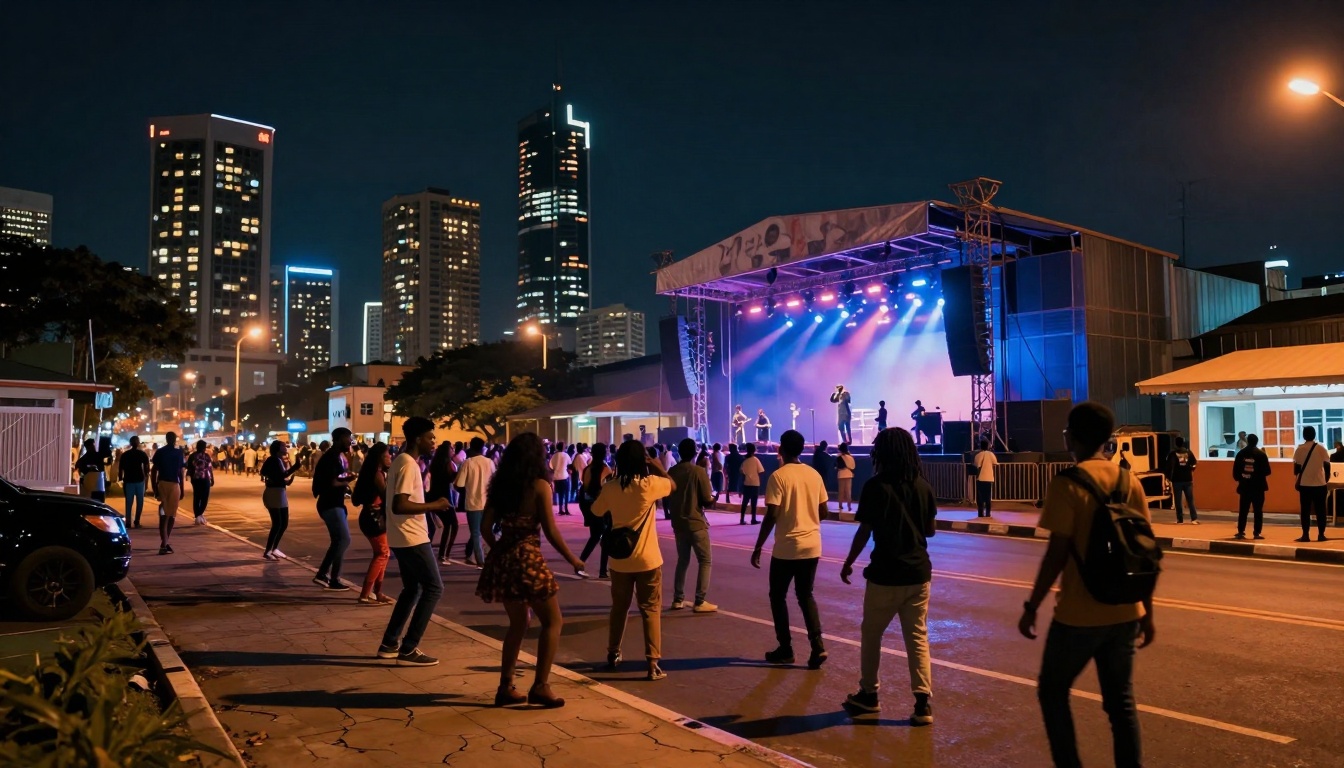
Picture Lagos in 2026. Arenas pack with fans as Burna Boy and Rema smash streaming records. Beats pulse through packed streets, TikTok clips go viral worldwide. Yet behind the dance, young Nigerians face raw pain. Over half of youth grapple with joblessness or bad work, per recent reports. Poverty touches 62 per cent of the nation, around 141 million people, with youth hit hardest; two-thirds of children under 18 already poor in recent data. Add thousands killed yearly by bandits and insurgents, kidnappings that grip the north, and mental health woes like anxiety in 15 to 30 per cent of young people.
Afrobeat lyrics lay bare these fights. Stars turn job hunts, bribes, fear, and escape dreams into hooks that stick. They mock fake riches, rap thug pulls, sing japa urges to leave. This article uncovers how these words echo real lives. Readers will hear youth voices and grasp why music fuels change.
Afrobeat’s Roots as Nigeria Youth’s Raw Voice
Afrobeat started with Fela Kuti’s sharp protest tunes in the 1970s. He blasted corrupt leaders with sax blasts and chants. Now it blends amapiano grooves, rap flows, and global pop. New stars like Asake and Omah Lay lead the charge. Youth make up 70 per cent of fans, hooked on streams that top charts.
This shift mirrors Nigeria’s youth woes. Each year, 3.5 million young people flood the job market. Official unemployment sits at 5 to 6.5 per cent for ages 15 to 24, but reality bites harder. Twenty-three per cent hunt jobs, 32 per cent quit looking. Underemployment plagues nine per cent, stuck on scraps under 20 hours weekly. Grads with secondary school face 8.5 per cent jobless rates, hustling in markets or gig apps from dim rooms.
Early Burna Boy tracks nod to roots, singing family ties amid city grind. Picture a 20-year-old in Oshodi market, phone blaring tunes while dodging traffic with wares. These songs voice the informal trap; 70 to 80 per cent of work stays casual, no steady pay. Afrobeat gives what jobs deny: a stage.
From Fela to TikTok Hits: The Evolution
Fela’s anthems slammed graft and military rule. “Zombie” mocked blind soldiers. Fast forward, Wizkid’s global wins flung doors wide. Youth grab mics as bribes choke formal paths. For the role of Afrobeats in Nigerian socio-politics, music beats scams that lure desperate teens.
TikTok turns bars into hits. Corruption perceptions score Nigeria in the 20s out of 100; trust crumbles. Songs fill the gap, cheap outlets for rage.
Hustle and Heartbreak: Lyrics on Jobs and Poverty
Jobs top youth cries. Official stats mask pain; real struggles hit over half. Poverty climbs to 62 per cent by 2026, youth worst off with most kids poor. Families press: provide or fail. Women face 7.8 per cent unemployment, hawking under fierce sun or juggling gigs.
Burna Boy’s “Ye” sneers at posers flashing cash they lack. “Dem dey flex for ground but dem no get / Money for pocket,” he spits. Real grind hides in vibes. Rema’s “Calm Down” pulses calm over jobless nights. Asake’s “Amapiano” sways to multiple hustles, no break.
Hear a grad in Abuja, degree dusty, riding okada bikes at dawn. Rent bites, food costs soar. Informal work offers no safety net. Songs paint it: dance floors sweat out the stress. These lyrics shout what CVs whisper.
Pain in the rhythm? It pulls fans close, turns private hurt public.
Burna Boy and Davido Call Out the Daily Grind
Davido’s “FEM” roars against weak systems. “If dem born you well, no go carry last,” he warns amid power cuts and empty plates. Burna Boy’s “Real Life” strips street truths: no handouts, pure survival.
Food and rent hikes push dropouts deeper. One line hits: daily grind breaks backs before bosses do. Youth nod, replay, relate.
Corruption, Fear, and Japa Dreams in Beats
Bribes grease job doors; stolen funds mock the poor. CPI lingers low, youth pivot to fraud. Insecurity kills thousands yearly, bandits kidnap en masse in the north. Mental health frays: anxiety and depression touch tens per cent, stigma seals silence.
Odumodublvck raps thug life’s tug. “Blood on the dancefloor,” he growls, streets breed killers or victims. Tems sighs escape in “Free Mind,” abroad calls haunt mates stuck home. Japa fever burns; skilled flee, leaving voids.
Night falls in Kaduna. Gunshots echo, families huddle. Women dodge extra violence. Songs fight back: Omah Lay moans police shakes, Shallipopi weighs hustle dangers. Afrobeat lyrics link to youth fraud risks, per studies.
Mental strain builds. No clinics, just beats to numb. Lyrics dream flights or fists.
Voices Against Bribes and Bandits
Omah Lay’s “Soso” gripes cop hassles: “Why you dey form for me?” Shallipopi spits risk in “Sharpiru,” north shadows loom.
North sees most raids. Songs arm youth with words when guns rule.
Conclusion
Afrobeat flips youth pain into power. Lyrics spot needs: skills jobs, security, mental care. Plans train 10 million in tech, cut underwork by 25 per cent. Hopes rise.
Stream these tracks. Share your story. Support voices that spotlight fights. Music once sparked Fela’s fire; now it lights youth paths.
Imagine united crowds, beats binding beats to ballots. Change starts in the bassline. Thanks for reading, what’s your favourite line that hits home?
(Word count: 1487)