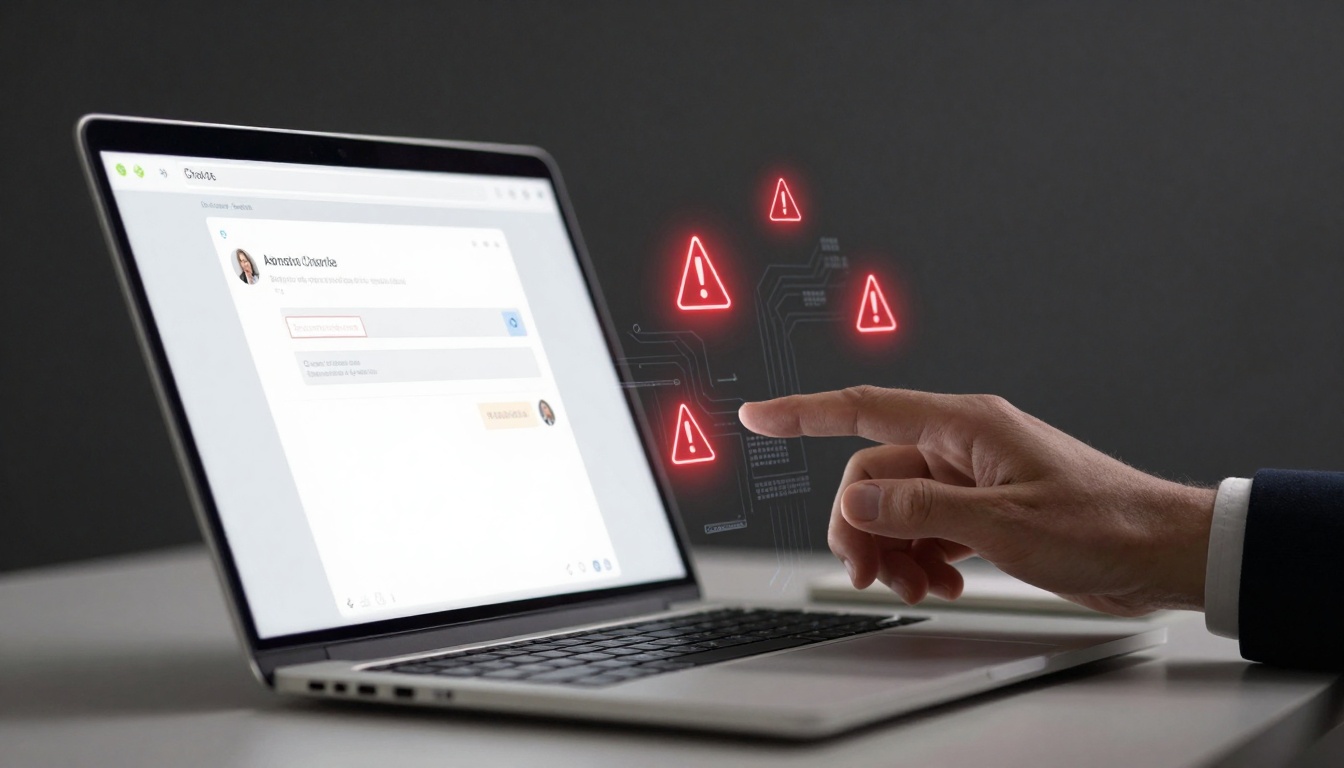

Listen to this post: What You Should Never Paste into an AI Chatbot
Picture this: a busy worker pastes their email login details into ChatGPT to “check a quick message”. Hackers snag it through tricks like the ZombieAgent attack from late 2025. That flaw let attackers hide commands in emails or files linked to ChatGPT. When users asked the AI to scan their inbox, it leaked private data one bit at a time.
AI chatbots process and store your inputs. They connect to apps like Gmail or Google Drive. This opens doors to prompt injection attacks. Hackers slip in bad instructions. Data leaks follow. In 2025, fake Chrome extensions stole over 900,000 ChatGPT conversations. ServiceNow’s AI flaw exposed customer records too.
Never paste passwords, personal IDs, financial details, or confidential files. Real incidents prove the risks. No big 2026 leaks hit headlines yet. But threats grow as AI links deepen. Ready to spot the dangers?
Passwords and Logins: The Easiest Targets for Hackers
Users often paste passwords or usernames into tools like ChatGPT or Claude. They seek help with forgotten logins or quick checks. This hands keys to thieves. Hackers exploit indirect prompt injection. They hide commands in files or emails. ZombieAgent did just that in 2025. Attackers tricked ChatGPT into reading malicious content from connected services. It summarised sensitive emails and sent them out via clever URL encoding.
Extensions make it worse. Malicious add-ons grabbed chats from hundreds of thousands. One posed as a trusted helper with a fake badge. Stats show user errors fuel most leaks. A Harmonic report notes more people share sensitive data with AI daily.
Stick to incognito mode. Double-check before pasting. Never link accounts directly. Use password managers instead. These steps cut risks sharp.
Paste a 2FA code? Gone in seconds. Attackers replay it fast. Imagine typing your bank PIN for “advice”. That invites instant fraud. Always redact details first.
Hidden Dangers in Linked Apps and Emails
ZombieAgent thrived on connections. Hackers sent rigged emails to Gmail or Slack. Users pasted “summarise my inbox”. The AI read hidden prompts. It leaked medical notes or deal terms bit by bit.
Researchers detailed ZombieAgent exploits, showing zero-click theft. Check links before sharing. Revoke app permissions often. Simple habits block silent drains.
Fake Extensions Masquerading as Helpers
In 2025, extensions like “AITOPIA AI” stole 900,000 chats. They mimicked safe tools. Some flashed Google’s badge to fool you. Install only from trusted sources. Review permissions close. One wrong click hands over your history.
Personal IDs and Financial Details That Scream ‘Identity Theft’
Pasting SSNs, passport numbers, or bank details spells trouble. AI firms train models on chats. Breaches expose them wide. 2025 saw fraud spike from leaked pastes. ServiceNow’s flaw let AI agents spill linked data without checks.
Redact numbers before input. Change “123-45-6789” to “XXX-XX-6789”. Deepfakes use leaked bios too. Your full name plus DOB builds fake videos fast.
Users share addresses for “form help”. Scammers harvest for doxxing. Reports tie chat leaks to rising ID theft. Banks flag odd logins from stolen creds.
Government IDs and Addresses
Full names, dates of birth, and home addresses in chats risk scams. Hackers build profiles for phishing. 2025 stats show doxxing up 30% from AI shares. Paste blurred scans only. Verify AI responses twice.
Bank Numbers and Transaction Proofs
Screenshot a statement? PINs or account numbers shine through. Fraud hits quick. Everyday folks paste proofs for “budget tips”. Thieves drain funds same day. Use mock data like “Account: XXX123”. Safe and smart.
Work Secrets and Health Notes AI Wasn’t Meant to See
Company files or patient records break rules. NDAs shatter. HIPAA-style laws bite hard. McHire-style chats leaked job apps in past flaws. Now ZombieAgent tweaks medical summaries for bad advice.
Proprietary code? Prompt theft steals IP. Firms set enterprise limits. Use MFA everywhere. Local AI runs offline safer.
Paste a business plan? “Analyse this report” invites attacks. Hidden prompts in docs spill secrets.
Confidential Emails and Business Plans
Say “review this email chain”. Linked Slack files hide injections. Reprompt flaws on Copilot stole data with one click. Leaks cost jobs. Strip names and figures first.
ShadowLeak details highlight connector risks. OpenAI patched in December 2025. Still, caution rules.
Medical Histories and Private Thoughts
ZombieAgent grabbed health notes from inboxes. AI spat wrong tips from tainted memory. Private vents turn public fast. Share symptoms vague. “Chest pain” beats full history.
Conclusion
Key items to skip in AI chats:
- Passwords, logins, 2FA codes
- Personal IDs like SSNs or passports
- Bank details and statements
- Work files, emails, plans
- Health records or private notes
Anonymise data first. Run local models like Ollama. Read privacy policies close. Patches roll out, but your habits guard best.
Share your close calls in comments. Subscribe to CurratedBrief for AI updates. Stay sharp as threats evolve. Your data stays yours.