
Listen to this post: Fossil-Fuel Expansion vs Net-Zero Pledges: Why the World Talks Out of Both Sides of Its Mouth
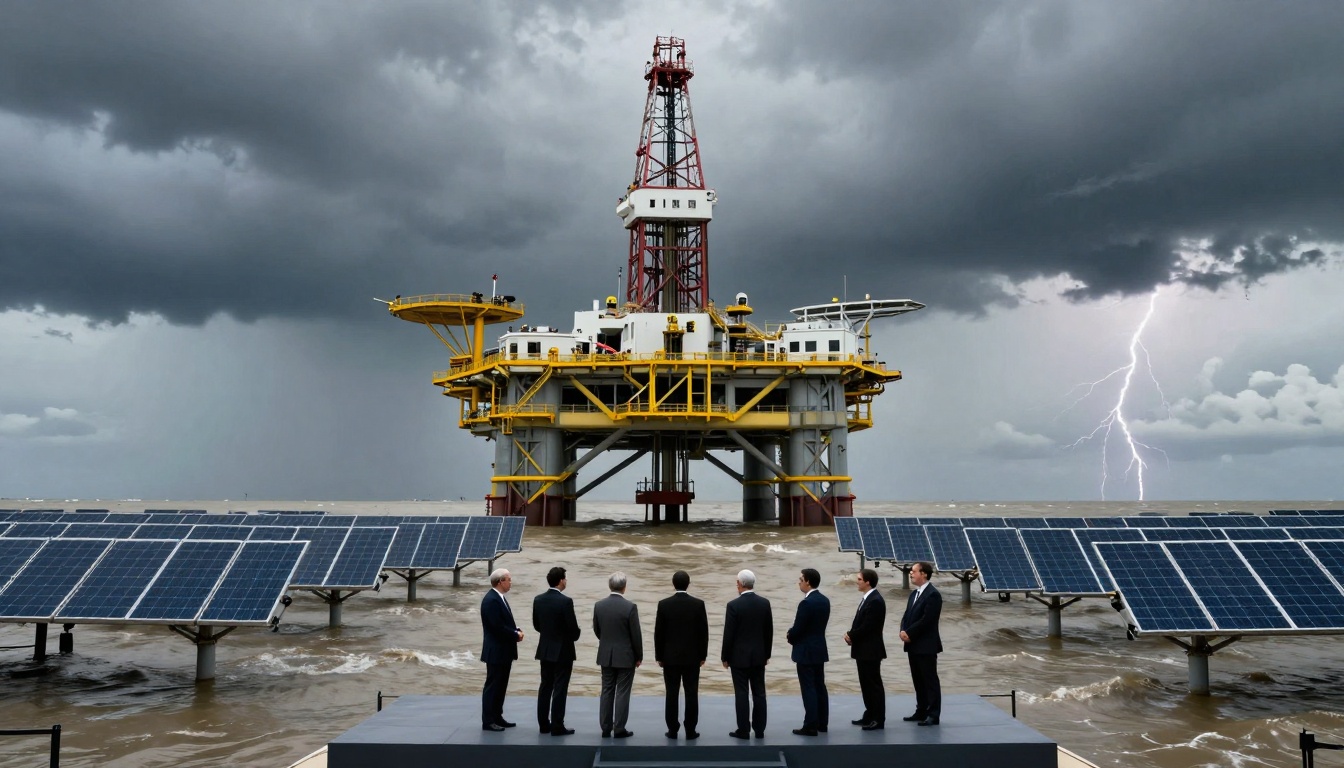
Picture this: giant oil rigs tower over the horizon, their drills piercing the earth, while shiny solar panels glint nearby under a stormy sky. Flood waters lap at their bases. World leaders and company bosses stand together at summits. They pledge to slash emissions to net zero by 2050. Yet plans roll out for more coal plants, gas pipelines, and oil fields. It’s a puzzle that baffles many.
Governments aim to balance emissions with removals to curb warming. But fresh data paints a grim picture. The latest Production Gap Report shows plans for over 120% more fossil fuels by 2030 than a 1.5°C path allows. By 2050, that’s 4.5 times too much. Banks lent $869 billion to these projects in 2024 alone. In 2026, new LNG plants add millions of tons of capacity from the US to Qatar. Pledges cover 77% of global GDP now. Still, actions lag. This post unpacks the promises, maps the expansions, digs into the reasons, and points to real fixes. Can we trust the talk when rigs keep humming?
What Net-Zero Pledges Promise and Cover
Net zero means emissions match what nature or tech removes from the air by 2050. It roots in the Paris Agreement of 2015. Nations vowed to limit warming to well below 2°C, ideally 1.5°C. Pledges surged since then. Now, 77% of global GDP backs them, up from last year. That’s huge progress.
These goals push clean shifts. Renewables boom. Solar capacity could quadruple by 2035. Wind farms sprout across seas and plains. Leaders sign deals at COP meetings. Picture suited officials shaking hands amid cheering crowds. Firms join in. In the US, 64% of companies cover their chains with targets. The Net Zero Tracker notes pledges hold firm despite some pullbacks.
Why do they matter? Clean energy grows fast and cheap. Batteries store sun power for night. Electric cars zip without tailpipes. Jobs bloom in factories building turbines. Imagine cities lit by wind, not coal smoke. Yet the road bumps ahead. Pledges set the map, but detours loom.
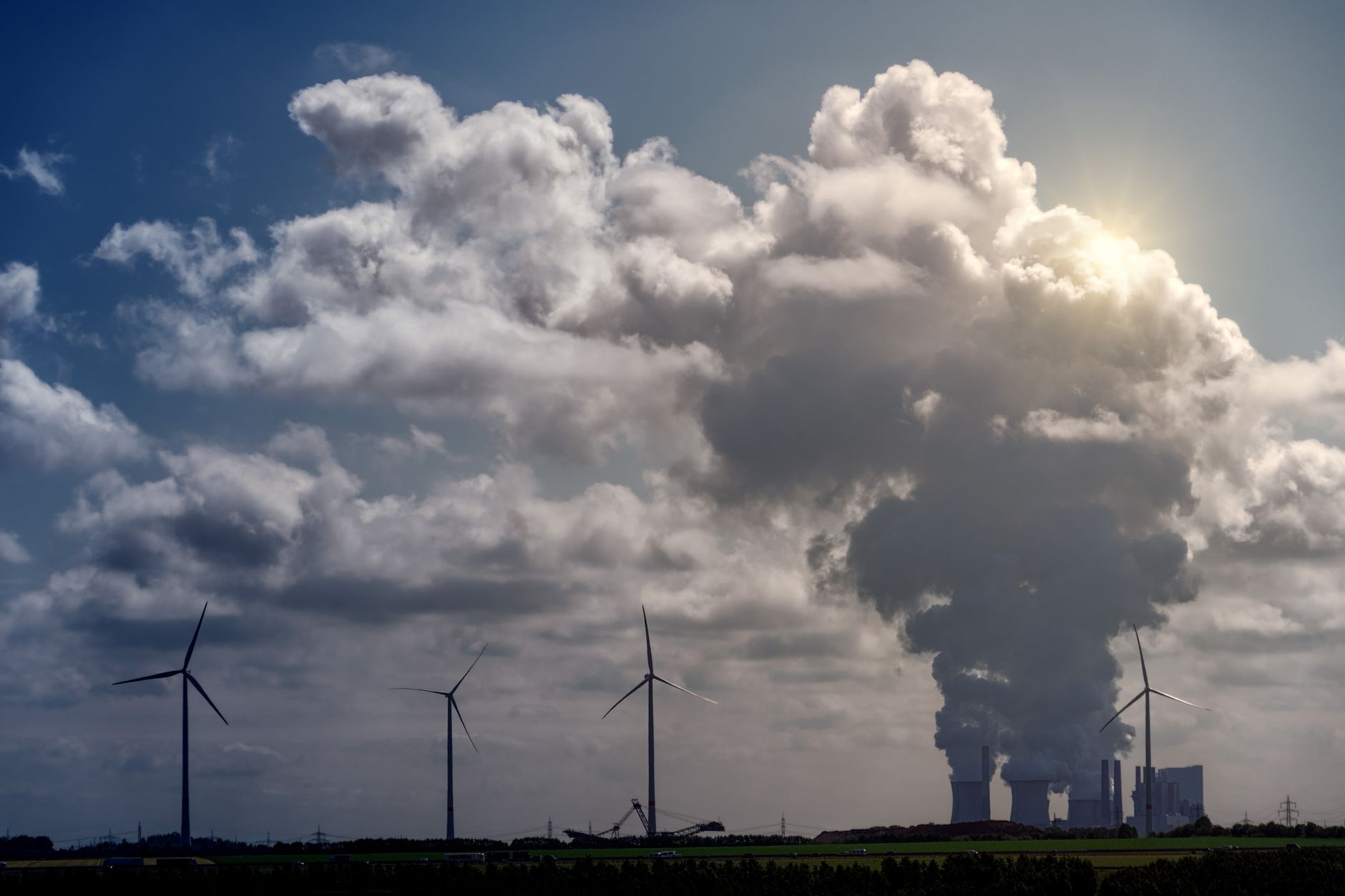
Photo by Johannes Plenio
Key Players Who Signed Up
Europe leads the clean charge. The EU cuts emissions hard with wind and nuclear. China dominates EVs and solar panels. It builds more clean kit than the rest of the world combined.
Canada links oil jobs to net zero. Firms like Cenovus use capture tech to trap fumes. The US ramps LNG exports but eyes more clean spend. No big economy meets 2030 targets yet.
| Player | Pledge Highlights |
|---|---|
| Europe | Strict cuts, heavy renewables |
| China | EV leader, solar giant |
| Canada | Oilsands with carbon capture |
| US | LNG push, growing clean goals |
These steps spark hope. But follow-through counts.
Fossil Fuels Keep Expanding: Hard Facts on the Ground
Now flip the scene. Drills churn amid flood alerts. Coal plants rise in Asia. Gas pipes snake across continents. Oil output climbs despite vows. Plans lock in coal past 2035, gas to 2050. The Production Gap widens. Governments eye 120% excess fossils by 2030.
Power hunger fuels it. EVs and data centres gulp energy. Coal use may rise 6% short-term. Banks poured $869 billion into fossils in 2024. That’s up from before. JPMorgan topped with $19.3 billion for new builds. The 2025 Production Gap Report screams no new fossils needed. Yet projects surge.
In 2026, LNG booms. The US adds 29 million tons from spots like Golden Pass in Texas. Qatar expands North Field. Australia and Mexico join. Haynesville shale feeds terminals. Demand might jump 60% by 2040. Coal dips in China and India for the first time in decades, thanks to clean rivals. But overall plans ignore limits. Rigs drill on, waves crash closer.
See how only a third of national climate pledges back a fossil transition. It’s a stark wake-up.
Countries and Projects Leading the Charge
The US doubles LNG. Terminals sprout along coasts. Canada clings to oilsands, 5% of GDP. New laws curb some, but drills spin.
China shines green with record biofuels. Yet coal and gas fill gaps. Brazil crafts end-fossil roadmaps. It taps oil cash for clean funds, while drilling more.
Key spots:
- US Golden Pass LNG
- Qatar North Field expansion
- Canada oilsands expansions
- Australian gas fields
These lock in supply for years.
Banks Pouring Cash into Oil and Gas
Two-thirds of top banks hike fossil funds. Many quit green alliances. New projects snag $429 billion. It stings after pledges.
JPMorgan leads. Others follow. Banks ramped funding in 2024 despite net zero vows. Loans build pipes and rigs. Short-term bets clash with long goals.
Why the World Talks Green But Acts Dirty
Jobs anchor the old ways. Canada counts 500,000 in oil. Demand surges from EVs and servers. Fossils stay cheap now. Clean costs drop, but not everywhere.
Politics sweetens exports. Leaders win votes with cash flows. Experts like Christiana Figueres push phase-out guts. Renewables win price wars. Stranded assets loom for late shifters.
Short-term gain or long pain? Stable energy aids us all. Picture blackouts from rushed greens. Balance matters.
Read the IEA’s 2025 outlook lessons on fossil transitions.
Economic Locks and Power Needs
GDP ties knot economies to oil. EVs boom needs grids. Data centres crave $4.3 trillion yearly. Coal forecasts climb.
China adds clean but eyes backups. Renewables lead growth. Still, gaps pull to fossils. It’s a tight squeeze.
Time to Match Words with Deeds
The clash rings clear. Pledges paint green futures. Expansions drill deeper. Yet renewables surge fastest. Net zero saves cash long-term.
COP30 looms. Push fair shifts. Policies must force phase-outs. Tie jobs to clean builds. Colombia hosts a fossil phase-out meet in April 2026. Pacific islands follow.
Words must spark deeds now. For our kids’ clear skies. Follow clean energy news. What step will you take? Share thoughts below.
(Word count: 1492)