
Listen to this post: The Rise of Long Emergencies: Crises Without Clear Endings
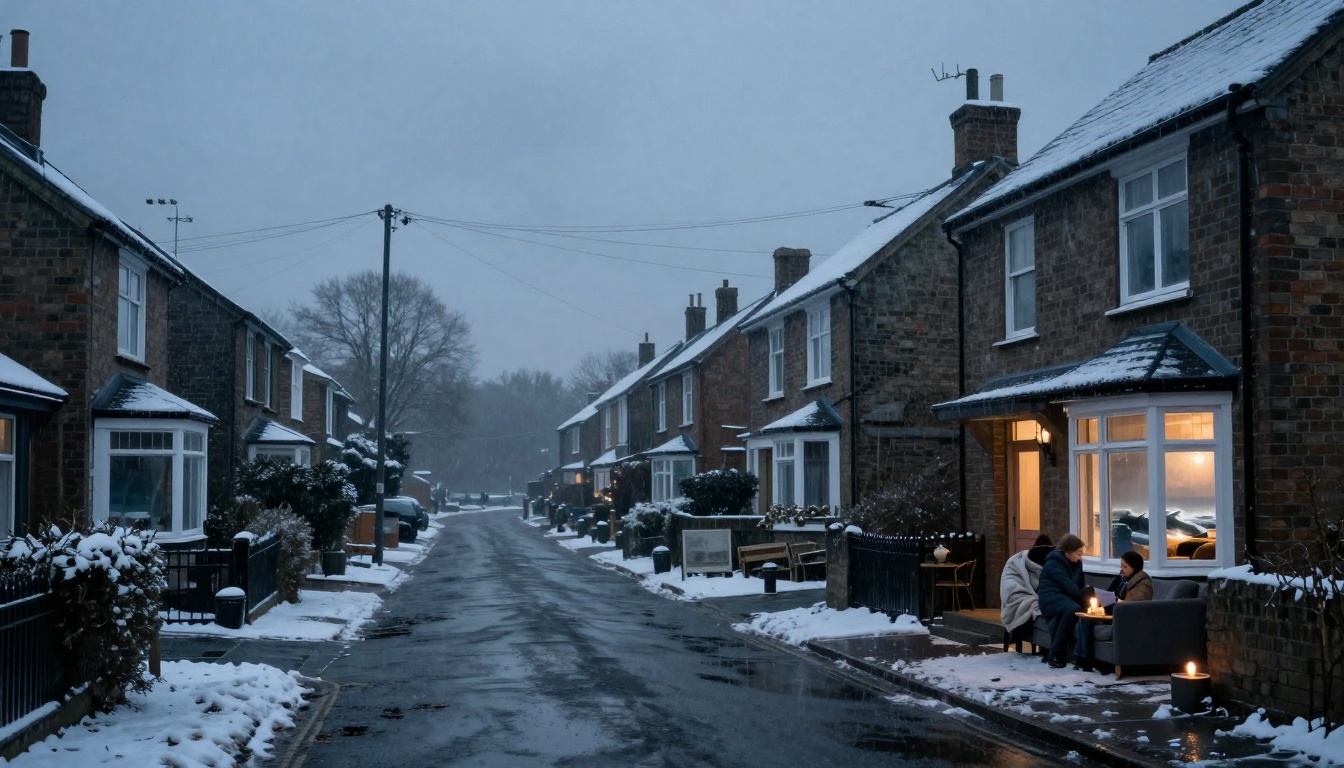
Picture a family in a quiet British suburb. Lights flicker off again as winter storms batter the coast. The news mentions distant wars blocking fuel ships. No power for days turns into weeks. Kids huddle under blankets, fridges empty. Weeks become months with no fix in sight. This isn’t a one-off hit. It’s the new normal.
Long emergencies drag on for years. They differ from sharp shocks like a burst pipe or a car crash, fixed in hours. Old crises rose fast and faded. These ones chain together through global links: a pandemic sparks supply woes, wars spike prices, climate hits pile on. In January 2026, they overlap more than ever. Health strains from weak aid mix with energy squeezes and floods. Why care? They reshape daily life, wallets, and plans.
What if crises never truly end? This post breaks it down. First, spot what turns a crisis long. Then, see real cases stretching into 2026. Next, count the human and money costs. Finally, grab simple steps to cope. Knowledge arms you when endings blur.
What Makes a Crisis Turn into a Long Emergency?
Crises once followed a script. They struck hard but ended clean. Fire crews doused flames. Councils cleared roads. Relief flowed in, life snapped back. Systems worked for those bursts.
Long emergencies break that mould. They simmer, link up, and stretch. Think pandemics bleeding into economic slumps, or wars feeding climate woes. Reports from aid groups highlight this shift. Global ties mean one snag ripples wide. A factory halt in Asia hits shelves here. No single fix works. Problems stack, plans fail.
Governments built bunkers for short blasts, not marathons. Now they scramble for endurance tests.
The Old Way: Crises That Come and Go
Recall a house fire. Sirens wail, hoses spray, embers cool by dawn. Insurers pay out in weeks. The family relocates, rebuilds. Clear start: smoke alarms blare. Peak: flames rage. End: all clear.
Or a blizzard. Snow piles high overnight. Ploughs rumble out by morning. Schools shut one day, reopen next. The word “emergency” fits: it rises sharp, demands action, then sinks. Councils train for these. Stocks sit ready. Neighbours pitch in. Relief feels real because closure does.
The New Reality: When Problems Pile On Without End
Flip to today. Policy papers call “once-a-century” events routine. Global supply chains tangle woes. Climate shifts brew endless storms. A drought in one spot starves fields elsewhere.
Take policy shifts. Leaders draft plans for years of strain, not weeks. Ukraine’s grind shows energy hikes worldwide since 2022. No ceasefire soon. Check the Ukraine Humanitarian Needs and Response Plan 2026 for proof. It maps aid for millions amid blackouts. Systems overload. Short-term aid runs dry. Fresh risks bloom from old roots.
Crises Stretching into 2026: Real-World Proof
January 2026 paints a grim map. Wars rage on, floods recur, aid shrinks. Each drags, feeds the next. No tidy bows.
Ukraine’s fight with Russia marks four years. Drones probe borders, grids shatter under strikes. Europe queues for fuel; bills soar. Sudan’s civil war displaces 14 million. Famine grips, hospitals crumble. Gaza sees renewed clashes. Hamas and Israel trade fire; 1.9 million face hunger. Houthi ship hits snag trade routes, hike food costs.
Africa boils too. Burkina Faso militias kidnap, block wells. Ethiopia and South Sudan floods trap refugees, ruin crops. Droughts bite hard. All link: wars halt aid trucks, climate amps hunger.
COVID’s Long Shadow and Fresh Health Threats
COVID lingers past peaks. Long COVID saps workers years on. Health services buckle under backlogs. Crowded camps speed outbreaks as aid dips. No big new variants grab headlines, but weak funds let diseases spread fast. Tired systems face fresh bugs amid war strains.
Wars Fuel Shortages That Hit Everyone
Ukraine’s mess tops the list. Power plants burn; Europe rations gas. Prices stick high. Sudan adds chaos: over 1,000 days of clashes spawn famine. Oil blocks from Venezuela spike global pumps. No quick peaces. Everyone pays at checkouts.
Climate Events That Keep Coming Back
Storms pound harder, linger longer. South Sudan rivers burst banks, drown fields. Ethiopia droughts parch lands. Heat domes bake cities. These overlap shortages: floods spoil war-hit harvests. Economic waves roll: trillions lost, unrest brews. See Haiti’s outlook in the 2026 Humanitarian Needs and Response Plan. Crisis deepens with no end.
The Real Damage: Lives, Wallets, and Communities Under Strain
Strain bites deep. Families ration lamps. Workers skip shifts. Towns cut streetlights. It’s not abstract; it’s empty cupboards and frayed nerves.
Day-to-day shifts grind hope. Fuel queues eat hours. Bills mount as jobs wobble. Kids miss school from bugs or floods.
Economies crawl. Firms hoard stock amid rules bends. Shutdowns linger; trillions vanish in aid. Supply lines snap.
Communities fray. Services slash: fewer bins emptied, buses grounded. Laws tweak for endurance, like extended fuel caps in 2026.
How It Feels Day to Day for Regular Folks
Mum queues at dawn for bread. Dad tracks blackouts on apps. Kids learn home lessons as floods close roads. Cash stretches thin; evenings dim without heat. Health worries mount: coughs turn chronic in strained clinics. Routines crack under endless waits.
Businesses and Economies in Slow Motion
Shops shutter from stock gaps. Factories idle on power cuts. Rules flex for survival; bailouts drain coffers. Growth stalls at low single digits. Trillions flow to patches, not fixes. Chains break worldwide.
Build Your Shield: Practical Steps for Tough Times
Don’t wait for leaders. Start small, build tough. Stock smart, skill up, link local.
People lead: fill cupboards, learn basics. Firms pivot fast. Rulers fund wisely.
Hope lies in action. These steps blunt edges.
Simple Prep Moves for You and Your Home
Keep two to four weeks of tins, water, meds. Rotate stock to stay fresh. Learn fixes: seal draughts, grow herbs. Save three months’ cash in easy pots. Tune into feeds like CurratedBrief’s top stories for alerts. Practice drills with family. Small habits shield big shocks.
Smart Plays for Businesses to Stay Afloat
Bulk backups for key parts. Shift staff to local suppliers. Flex hours around blackouts. Test remote work. Cut waste now. These hold firms steady.
What Leaders Should Do to Guide Us Through
Boost green power grids. Stock national reserves. Cap profiteering on basics. Shift budgets to rebuild skills. Clear rules spur local food.
Ready for the Long Haul
Long emergencies rise as crises chain and stretch. Ukraine grids fail, Gaza hungers, floods recur. Costs hit homes, jobs, towns. But knowledge spots patterns.
Adapt now. Grab tins, save cash, stay sharp. Small steps stack to strength.
We face this together. Check news feeds daily. Share your preps below. What’s your first move?
(Word count: 1487)