
Listen to this post: Can Loss and Damage Funds Help Vulnerable Countries Recover?
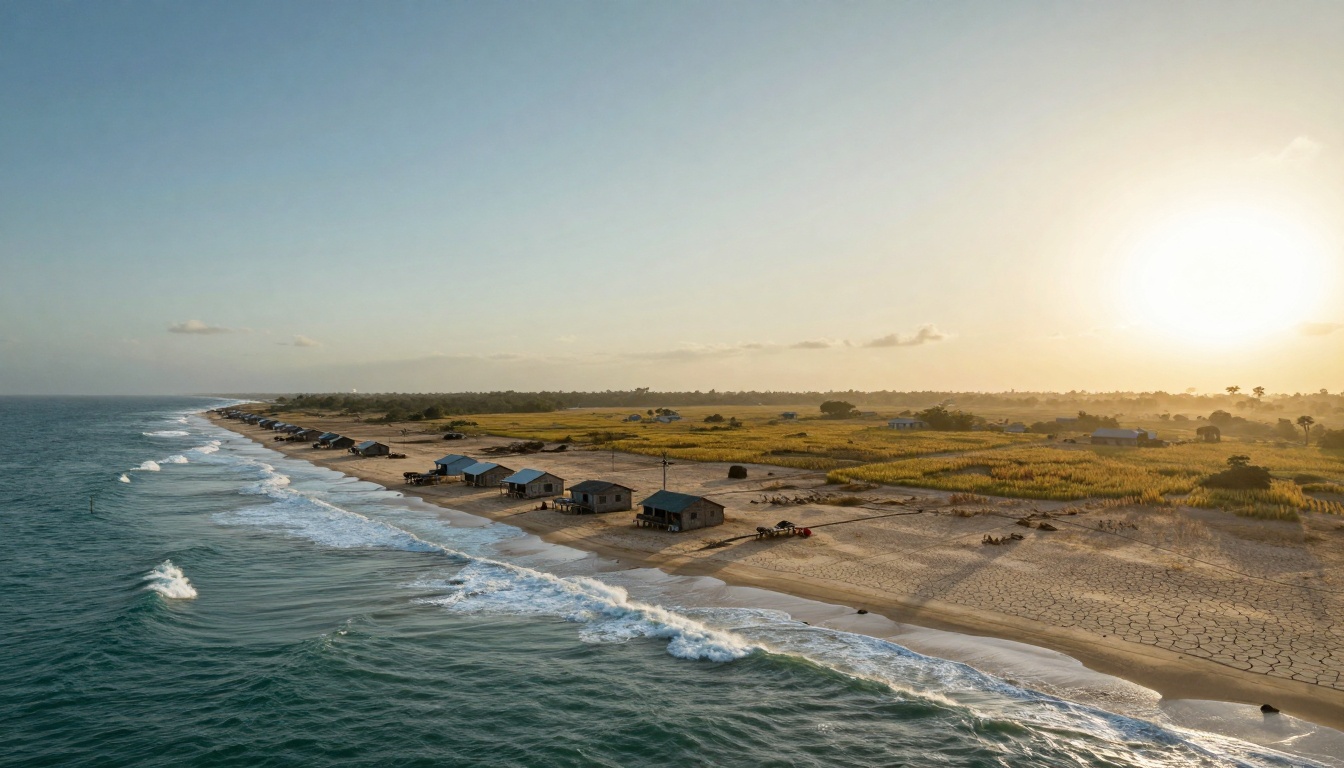
Waves crash over low-lying atolls in the Pacific, swallowing homes whole. In Africa’s Sahel, parched fields crack under endless sun, leaving farmers with empty hands. These scenes play out yearly now, hitting the poorest hardest. They face storms, floods, and rising seas they did little to cause.
Enter the loss and damage fund. Rich nations pledged cash to help these countries bounce back from climate disasters. It’s not charity; it’s justice for emissions from industrial pasts. But can this money truly rebuild shattered lives and farms?
This fund launched amid global talks, but pledges lag behind needs. As of January 2026, it holds $321 million in cash from pledges nearing $800 million. No payouts yet, though pilots loom. We’ll trace its birth, check real aid potential, hear critics, and map the path forward. Picture desperate villages waiting; will funds arrive in time?
How the Loss and Damage Fund Came to Be
Small island leaders stood firm at COP27 in Egypt back in 2022. They demanded cash for harms beyond adaptation, like total wipeouts from cyclones. Rich countries agreed in principle, but details dragged.
At COP28 in Dubai, the fund took shape. Nations pledged $720 million at first, later climbing to $768-817 million. Leaders picked the World Bank to host it for four years. The board set rules in 2025, approving a $250 million startup phase.
COP29 in Baku pushed operations forward. Talks buzzed in packed halls; side events featured tales from flooded Bangladesh villages. The focus splits between fast hits like hurricanes and slow creeps like saltwater invading crops. First board reviews hit in July 2026, but cash flows slowly.
Vulnerable spots eye sudden shocks first: think Typhoon Haiyan-level destruction. Slow ones get attention too, like melting glaciers starving rivers. The fund aims to plug gaps in standard climate aid.
Pledges So Far and What’s Actually Available
Pledges total $768-817 million from 25 countries, the EU, and others. But cash sits at $321 million. Signed agreements cover $495 million, yet payments trickle.
Startup grants range $5-20 million each, voluntary style. Champions like Germany and the UAE led early, but many hold back. This gap mirrors old climate finance woes: big talk, small cheques.
By late 2025, enough sits ready for the $250 million pilot. Still, experts flag the mismatch. For full details on the fund’s structure and pledges, check official trackers.
Who Qualifies as ‘Particularly Vulnerable’
Small island states top the list, like Tuvalu where seas nibble land daily. African nations in drought belts follow, plus least developed countries facing floods.
Rules debate rages: income levels or disaster hits? No recipients named yet. The Santiago Network offers technical help now, prepping claims on loss tallies.
Board eyes 50% to islands and poorest states. Frontline groups push for community voice in picks.
Real Help on the Ground or Just Promises?
Imagine a Fiji village after a cyclone: roofs gone, schools drowned, kids hungry. Funds plan to fix that with national recovery projects. Rebuild sea walls, restock fish farms, replant mangroves after heatwaves.
No live examples yet; it’s too new. But ties to Paris goals mean focus on equity. Quick cash for emergencies clashes with board approvals. Communities huddle in tents, phones silent on aid.
Grants target governments first for big rebuilds, later trickling to locals. Activists fret over this top-down tilt. Picture a Malawi farmer eyeing barren soil; will $250 million stretch continent-wide?
The fund tests pilots in 2026, learning fast. Needs scream $400-724 billion yearly; this scratches surface.
Early Steps That Show Promise
Operations kicked off; funding calls launched end-2025. Board meets regular, building rules. COP30 previews showed momentum, with networks aiding claims.
Technical experts from Santiago Network guide vulnerable states on proof. World Bank setup speeds admin. Positive signs: $321 million banked, ready to roll.
Spain’s fresh pledge at COP30 hints growth. First disbursements eyed mid-2026.
Barriers Holding Back Real Change
Scale dwarfs needs; $321 million versus billions lost yearly. Pledges unpaid, grants tiny at millions each. Approvals crawl through boards, missing urgent floods.
Frontlines struggle: quantifying losses like migration proves tough. Debt-burdened nations can’t match funds. For insights on fund priorities favouring governments over communities, see recent proposals.
Cash lags pledges; only half signed. Vulnerable spots wait years for drops.
Critics Speak Out: Can This Fund Scale Up?
Activists call it a drop in the ocean. “Too small, too slow,” shouts Pacific delegate at Baku fringes. No legal duty binds rich emitters; all voluntary.
Taboo lingers on “climate reparations.” Experts demand trillions, not billions. Carnegie reports highlight mobility gaps, urging funds for displaced families.
Will it reach remote villages? Groups like Oxfam push direct community grants. Balance hopes: pilots build proof, woo more donors.
Leaders eye a “State of Loss and Damage Report” from COP30 talks. It maps gaps yearly. Critics say scale or fail; vulnerable nations can’t wait.
Optimists point to Green Climate Fund growth. If board acts bold, funds multiply. Readers, does this feel fair?
The Road Ahead for Recovery Funds
Funds start small, but proof comes with first pilots. Massive growth needed; hit billions soon or flop. Speed fixes: fast-track windows for disasters.
Annual reports on gaps could shame laggards. Tie to national plans for smooth flow. Official FRLD site details board and ops.
Realistic outlook: yes to help, if scaled. Vulnerable countries need it now.
Conclusion
Loss and damage funds promise justice, born from island cries, with $321 million ready but no payouts by January 2026. Pledges near $800 million, yet barriers like scale and speed loom large. Pilots test real aid soon.
Watch COP updates; sign petitions for bolder pledges. Share this if fair climate help matters. Picture that Fiji village rebuilt, kids in school again. Funds can aid recovery, but only if they grow huge and fast. What’s your take?