
Listen to this post: How Cancel Culture Really Works in Nigerian Social Media Spaces
Picture this: in September 2023, singer Mohbad dies suddenly. Old videos surface showing clashes with Naira Marley. Within hours, Nigerian Twitter erupts. Hashtags like #JusticeForMohbad rack up millions of views. Radio stations pull Naira Marley’s tracks. Brands cut ties. He goes quiet, career in tatters. Fans cheer justice served. But was it? This is cancel culture at work: online groups shame and boycott people for perceived wrongs.
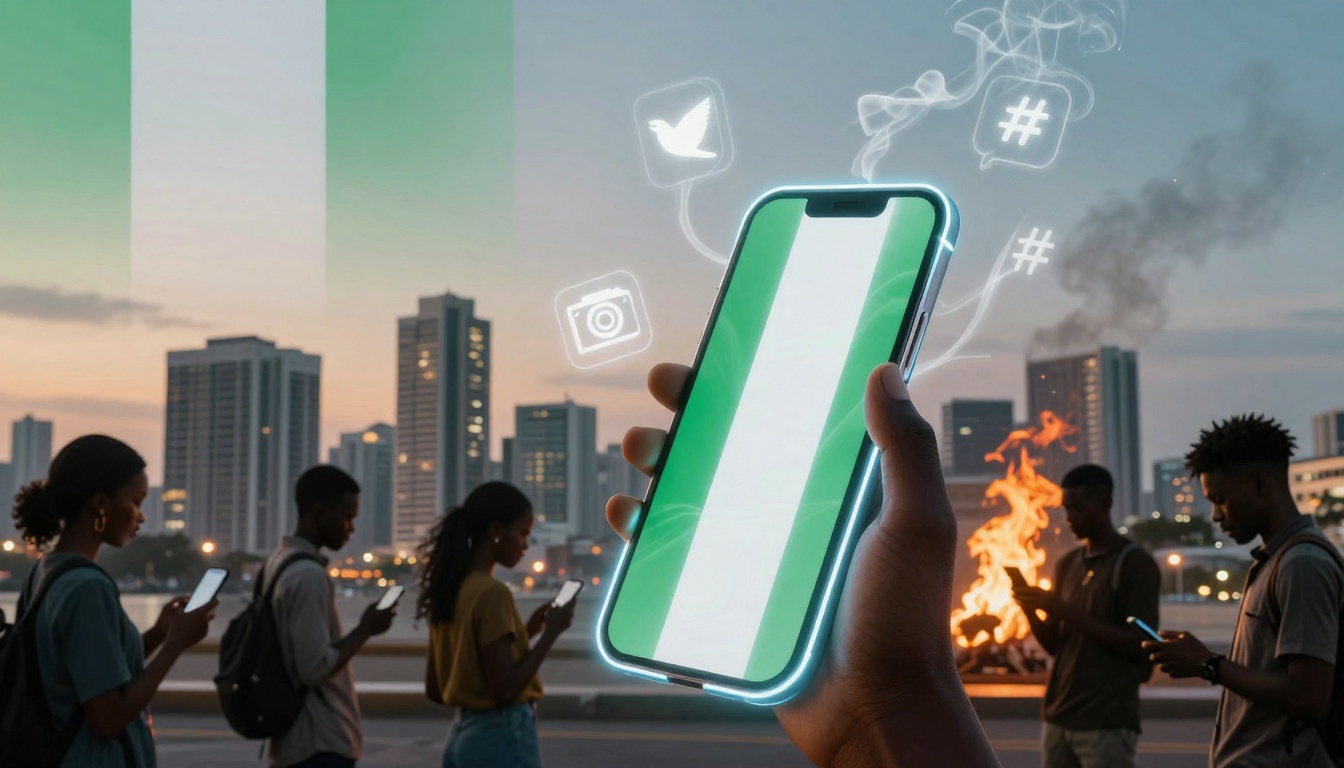
In Nigeria, it pulses through Twitter (now X), Instagram, and TikTok. Young people, fed up with slow police and courts, grab their phones. They expose abusers, fraudsters, and dodgy politicians. Anger spreads like wildfire in Lagos traffic. One screenshot, one voice note, and lives change.
This post uncovers the sparks, the step-by-step frenzy, key platforms, real impacts, and ways to handle it. From election drags to influencer meltdowns, we’ll map it out. Ready to see how it unfolds?
https://www.bbc.com/news/world-africa-63719505
What Sparks Cancel Culture on Nigerian Social Media
Nigerians turn to social media for justice when systems fail. Police dawdle. Courts drag. Frustrated youth dig up dirt: old tweets, blurry clips, leaked chats. A Lagos study shows 70% of under-30s have called out leaders, lecturers, or rapists online. True tales mix with fakes, but outrage doesn’t care. It starts small, then explodes.
Everyday Offences That Ignite the Fire
A debtor ghosts a lender. One post with bank alerts, and the replies flood: “Name and shame!” Abusive bosses get exposed via staff voice notes. Cheating partners face dumped DMs going viral. Bad customer service? Tag the brand, watch shares climb.
Take a lecturer demanding “settlement” fees. A student posts proof. Classmates pile on. School probes, or not. The lecturer’s side gig dries up. One post snowballs into hundreds. Screenshots fly across WhatsApp. Debtors hide phones. It’s quick revenge for daily gripes.
Big Scandals Involving Stars and Politicians
Stars face fiercer heat. During 2023 elections, politicians backing “wrong” sides got boycotted. Influencers took cash from parties, as a BBC probe revealed. Old EndSARS clips resurface: defend police brutality? Expect drags.
In 2025, AI fakes tricked users into cancelling celebs. Government accounts even shut down rivals’ pages, state-style cancel. Naira Marley’s Mohbad fallout lingers into 2026. Radio bans reversed, but scars stay. This paradox in entertainment shows how bias and politics twist it. Power shields some; others burn.
Step-by-Step: How a Cancel Unfolds Online
It begins quiet, ends chaotic. A trigger hits. Someone posts evidence. Friends amplify. Hashtags trend. Brands bail. Targets scramble. Some fade; others fight back. It’s not just criticism; it’s a mob with pitchforks. Yet apologies can flip it. Here’s the raw sequence.
From Call-Out to Viral Storm
Step one: the spark. A victim shares proof, a tweet or Reel. “This man beat me!” Tags brands, celebs, media. Comments erupt: “Drag him!” Screenshots multiply. Memes mock the target.
Twitter threads dissect sins. Instagram stories repost. TikTok duets add fury. Cross-posts hit Facebook groups. By hour three, it’s national. 2024 influencer scams saw victims unite: “He duped us!” Reports swarm. Accounts shadowbanned. The storm peaks in 24 hours. Evidence? Often thin, but emotion rules.
Boycotts, Losses, and Apology Battles
Demands escalate: “Boycott! Drop deals!” Sponsors ghost. Gigs vanish. Offline fallout bites: jobs lost, families stressed. Naira Marley fled after Mohbad rage. Stations banned tunes on mob say-so.
Targets post apologies. “I messed up. Forgive.” Fans split: loyalists defend, haters demand blood. Some recover, like radio lifts years later. Others rebuild quietly. Chimamanda Ngozi Adichie slammed it in 2025: stops growth. Paradox: justice or witch hunt?
Main Platforms Fueling Nigerian Cancel Culture
Twitter leads the charge. Politics and hashtags thrive there. Quick threads build cases. #JusticeForMohbad hit 10 million tweets. One viral post pulls millions.
Instagram suits influencers. Stories and Reels show faces, tears. Drags hit comments: “Unfollow!” Brands watch likes drop. TikTok fuels with duets, dances mocking targets. Short clips spread fast among youth.
Facebook groups stew longer. WhatsApp forwards rumours to aunties. Cross-spreads amplify: Twitter to TikTok, then blogs. Twitter scares most for speed. Which platform chills you?
Impacts and Smart Ways to Fight Back
Positives shine: victims get heard. Rapists exposed, frauds shamed. EndSARS echoes hold abusers accountable.
Negatives sting. False cancels bully innocents. Mental health crumbles under hate. Jobs vanish; self-censorship grips all. Powerful evade; small fry suffer.
Fight smart. Think before posting: facts first? Craft real apologies: own it, no excuses. Fact-check rumours. Log off during storms. Build allies pre-crisis. Hope lies in balance: call out wisely.
Conclusion
Cancel culture empowers Nigeria’s online voices but teeters on mob rule. Sparks fly from daily slights to star scandals, unfolding fast on Twitter and beyond. Impacts cut deep, yet smart steps offer defence.
Call out with facts. Verify before sharing. Allow room for change. Share your cancel story in comments. Nigeria’s social scene buzzes; wield it right. What side have you seen?