
Listen to this post: Why some countries are quietly drifting away from the US orbit
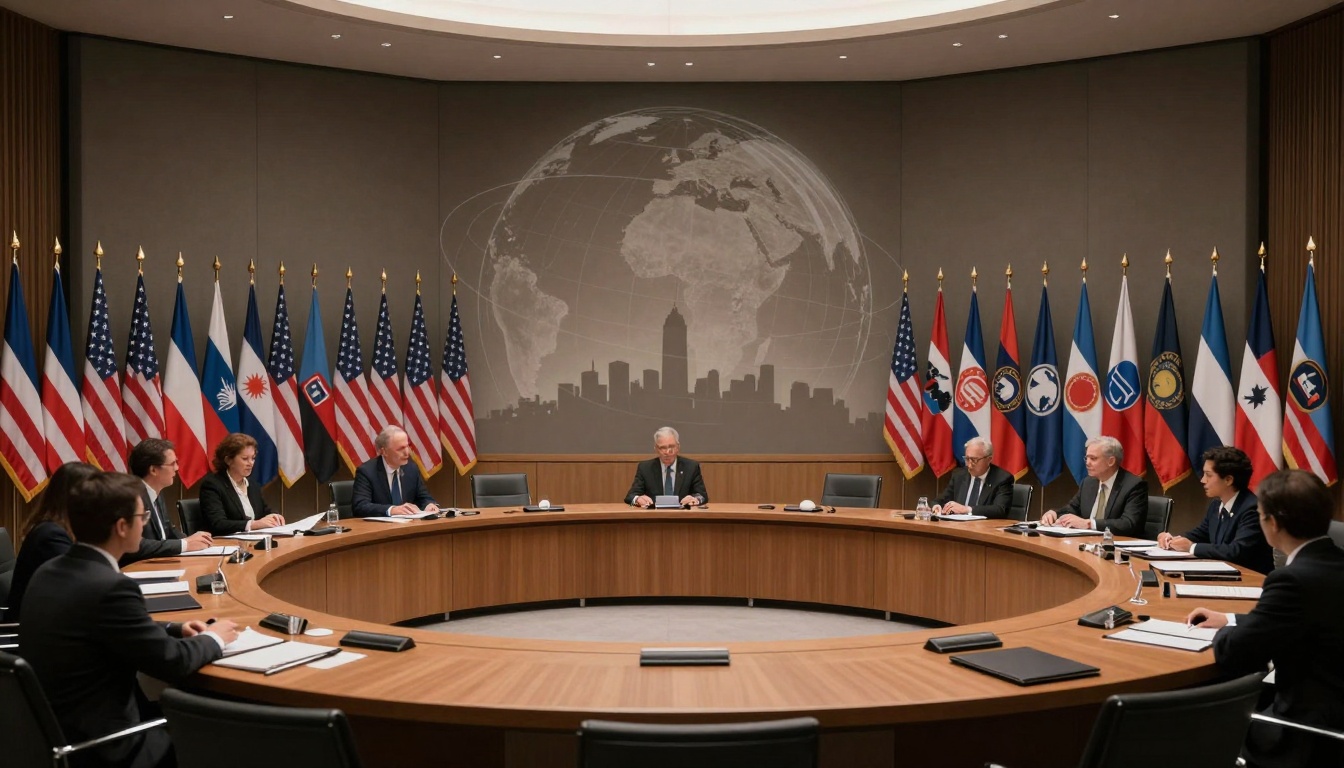
Picture a crowded room of flags and nameplates. The meeting still happens, the handshakes still look warm, but the seating plan has changed. There are more side tables, more private chats, and fewer moments where everyone turns to Washington for the cue.
When people talk about the “US orbit”, they usually mean a bundle of advantages: security cover (bases, training, intelligence), dollar-based finance (easy access to payments and funding), trade access (stable routes into big markets), and diplomatic backing (a powerful voice when crises hit). Quietly drifting away doesn’t always mean turning against America. In many cases, it’s a hedge, like taking out a second policy when the weather turns.
This piece breaks down the practical drivers, money, security, and domestic politics, shows what the drift looks like across regions, and explains what it can mean for everyday life (prices, energy, jobs, travel, and tech).
Why countries are hedging, the everyday pressures behind the pivot
A country doesn’t “leave an orbit” with a speech. It happens through lots of small choices: which currency to invoice in, which ships dock where, which air defence system gets bought, whose standards shape 5G networks, and which leaders get invited to the big photo.
The push factors often feel mundane at home. Fuel costs jump. Shipping insurance rises because a sea lane is tense. Loan rates climb when the US Federal Reserve tightens policy, even if your own economy is weak. A finance minister then asks a simple question: why should a decision made in Washington or New York ripple straight into our food bill?
The pull factors are just as practical. China can offer big markets for commodities and consumer goods. Gulf money can arrive fast for ports and logistics. Regional lenders can be less fussy about conditions. None of this replaces US links overnight, but it gives leaders room to bargain.
There’s also a psychology to it. If a government thinks global politics is more unpredictable than it was 20 years ago, it won’t want a single point of failure. That mindset shows up in finance, defence, and diplomacy.
Trade and finance are changing, and the US dollar isn’t the only option
The dollar still dominates global trade and reserves, but many states now treat it like a main road that could be blocked without warning. The risk isn’t just theory. Sanctions can freeze assets, restrict banking access, or make firms fear secondary penalties. Even countries that aren’t targets notice how quickly the rules can tighten.
“De-dollarisation” sounds grand, but much of it is simple: paying for some trade in local currencies, setting up currency swap lines between central banks, or using new payment rails that reduce exposure to US-based systems. It’s less “ditch the dollar”, more “don’t rely on one pipe for all the water”.
BRICS has become part of this story because it offers an extra lane, not a replacement highway. The group’s expansion and talk of alternative settlement has encouraged more experiments, even if a single BRICS currency still looks distant. A useful reality check is laid out in Lowy Institute’s analysis of BRICS and de-dollarisation.
Recent years have produced clear examples of hedging. Russia and China have shifted a large share of bilateral trade into roubles and yuan. India has explored paying for Russian oil in rupees. Brazil and China have backed more direct settlement between the real and the yuan. These moves don’t end dollar use, but they change the balance of risk.
Security looks less predictable, so leaders buy insurance from more than one partner
Security ties aren’t abstract either. They’re built through arms purchases, officer training, shared exercises, access to spare parts, and intelligence links. A country that buys one fighter jet also buys years of maintenance, munitions, and upgrades. That can create dependence, which is comforting in calm times and scary in tense ones.
The US remains the world’s leading security partner for many allies. Its naval reach, intelligence networks, and alliance system are hard to match. Still, some governments worry about political swings, changing priorities, or a crisis that lands outside Washington’s focus. So they “buy insurance” elsewhere: drones from Turkey, air defence from Europe, infrastructure deals with China, or energy and arms ties with Russia.
This is what people mean by a multipolar world, several power centres at once. It doesn’t guarantee stability. It just means a leader can try to spread risk across relationships, rather than betting the house on one.
What the drift looks like on the ground, deals, votes, and new friendships
If you want to spot the drift, don’t start with slogans. Watch patterns.
Look at which summits leaders attend, and who gets the long meetings on the margins. Track the energy contracts signed quietly in hotel conference rooms. Notice which ports get expanded, which rail links get financed, and whose firms win the telecoms tenders. Pay attention to arms shopping lists, not just speeches.
At the United Nations, the signals can be subtle. Some states abstain rather than back the US position. Others vote with Washington on one issue and against it on another. That’s not always ideology. Sometimes it’s simple bargaining: “We’ll support you here, but don’t squeeze us there.”
None of this means the US is irrelevant. It means influence is now competed for with more tools: cash, trade access, technology, and fast delivery. A government under pressure will take the offer that keeps prices steady and jobs flowing, then explain it at home as “national interest”.
Middle East pragmatism, energy, investment, and keeping options open
The Middle East shows this balancing act in high definition. Several Gulf states still rely on US security cooperation, but they also build deep economic ties with China. Energy markets make that almost inevitable. China is a huge buyer. Gulf investors want long-term demand, plus joint projects in refining, petrochemicals, and logistics.
At the same time, these governments want freedom of movement. They may prefer not to choose sides in US-China rivalry, because their core needs are stability, investment, and predictable energy revenue. When a region has seen sudden wars and sudden policy shifts, keeping multiple doors open can feel like common sense.
BRICS expansion has added another layer. Some Middle Eastern states have joined or engaged more closely, not as a rejection of Washington, but as a way to widen trade and finance options. The practical logic is easy to follow: if some oil sales can be settled outside the dollar, or if some investment can be raised through non-Western channels, the country’s exposure to sanctions risk and financial shocks falls. For a broader view of how BRICS+ could shape influence, see BCG’s briefing on BRICS enlargement.
Latin America and Africa, more room to say “no”, more partners to say “yes” to
In Latin America, the story is often about autonomy. Many governments want trade with the US, but they also want fewer lectures on domestic politics. They need funding for grids, roads, and schools. They want buyers for food, metals, and energy. When China offers a big market and financing, it’s tempting to take, even while keeping US links in place.
Brazil is a good example of an independent posture. It can work with Washington on some issues while building BRICS ties and pursuing more local-currency trade with China. The message is consistent: Brazil wants options, not a new patron.
Across parts of Africa, the pull is similar: development finance, infrastructure, and access to large markets. The push is also familiar: frustration when aid or loans come tied to political conditions, or when external pressure threatens domestic stability. African governments are not monolithic, and their choices differ, but the trend is towards more partners and fewer single-track dependencies.
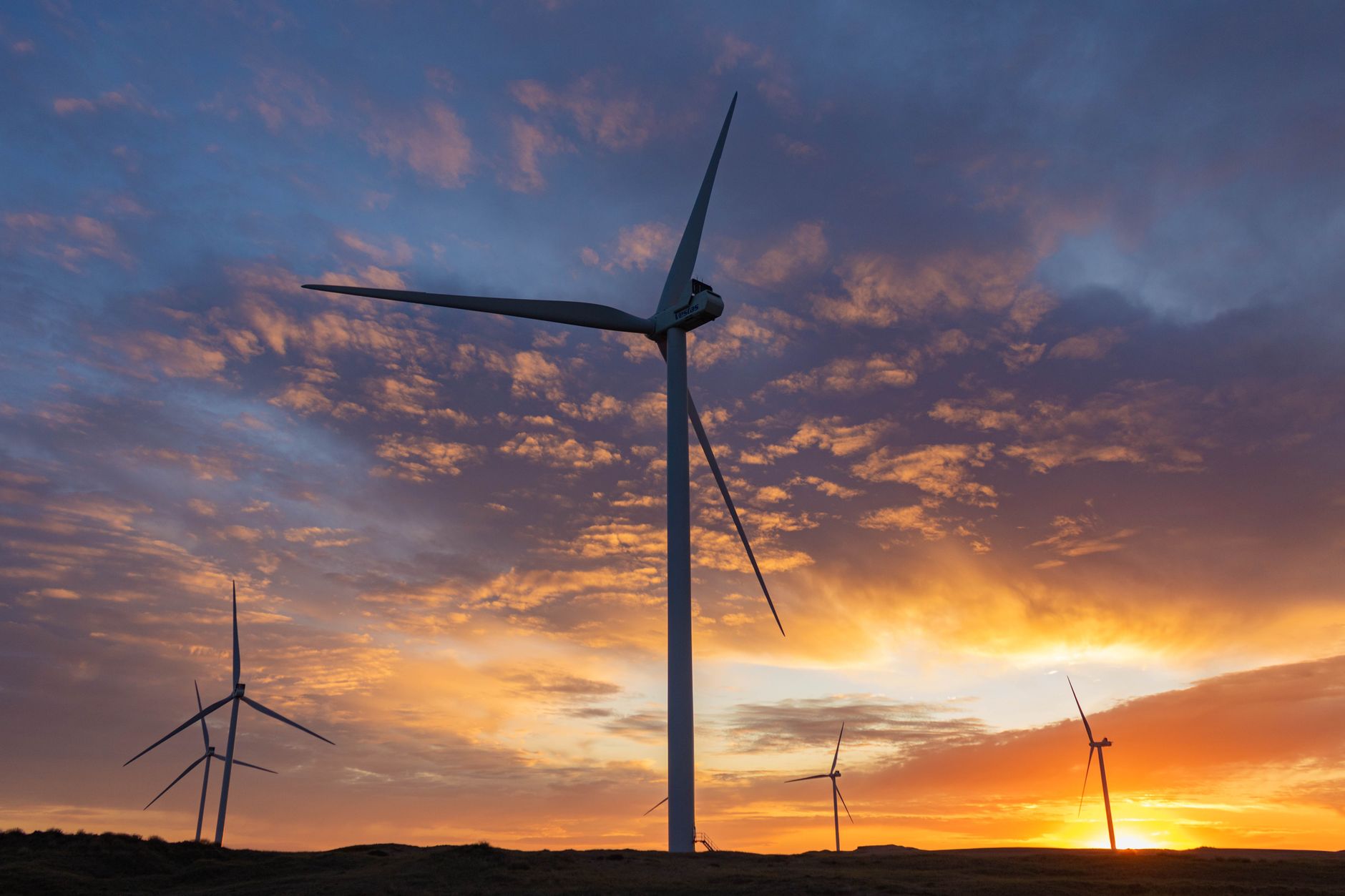
Photo by Victoria Marzullo
Energy adds another twist. As countries invest in renewables and new grids, they shop globally for turbines, batteries, and funding. That creates fresh ties that don’t always run through the US. When energy technology becomes part of foreign policy, influence follows the cables and supply chains.
The US isn’t “losing the world”, but the rules of influence are changing
It’s easy to turn this topic into a scoreboard. That misses what the US still does exceptionally well.
America remains a magnet for talent and capital. Its universities train global elites. Its deep markets can raise money at scale. Its innovation system produces world-leading firms. Its alliance network and naval power still shape sea lanes and deterrence in a way few can match.
The shift is that influence now comes in packages, and countries can buy the parts they want. A state might want US security ties, Chinese trade, Gulf capital, and European regulation standards for exports. That mix-and-match approach can look messy, but it fits the moment. A fragmented world makes “one-stop” alignment harder, and hedging more attractive.
This isn’t only about geopolitics. It’s also about risk management. The World Economic Forum has described an era of sharper competition and weaker cooperation; one summary is covered in this Global Risks 2026 write-up. When leaders expect turbulence, they diversify.
A multipolar world means countries can mix and match, and that limits any one power’s leverage
“Multipolar” just means there are several major power centres, not one dominant organiser. “Non-aligned” means a country tries not to be locked into a single camp, even if it still has preferences and red lines.
In that setting, traditional tools can lose bite. Sanctions threats may still work, but they can also speed up workarounds. Aid conditions might still matter, but countries can shop for other lenders. Think of it like shopping around for a mortgage. If there’s only one bank in town, it sets the terms. If three banks compete, the borrower gains room to bargain, but also takes on the headache of managing different rates and rules.
This is also why de-dollarisation is gradual. The dollar remains the main currency for trade and reserves, and early 2026 estimates still put it at well over half of global reserves. Yet the direction of travel matters. Each local-currency deal, each new payments link, each swap line, it reduces single-point exposure.
For a plain explanation of why countries look for non-dollar options, Business Insider’s overview of de-dollarisation drivers is a useful starting point.
What could pull countries back closer to Washington, and what could push them further away
Countries don’t drift on vibes. They drift on incentives.
If the US offers stable trade access, predictable diplomacy, consistent security commitments, and competitive financing, many partners will lean closer. Predictability is a form of power. So is speed, when a crisis hits and help arrives quickly.
What pushes countries away tends to be the opposite: sharp tariff swings, sudden policy changes after elections, and heavy use of financial pressure that scares even friendly capitals. Moves like pulling out of international bodies can also create doubt about long-term engagement, as argued in this Modern Diplomacy piece on US withdrawals from global organisations.
The key point is that alignment now has more “transaction costs”. A country has to manage more relationships, more tech standards, more security suppliers. Some will decide that staying close to Washington is still simpler. Others will accept the complexity because the upside is breathing space.
Conclusion
The quiet drift from the US orbit is less about cheering a new empire and more about reducing exposure. Many countries want room to manoeuvre in trade, money, and security, so they spread their ties across several partners. That can mean more local-currency settlement, more varied arms purchases, and more flexible diplomacy at the UN.
The US still holds major strengths, but influence now competes with other offers that arrive as ready-made packages: markets, cash, infrastructure, or technology. In 2026, the safest bet for many leaders is not a grand break, but diversification.
Watch what happens next in currency settlement experiments, regional defence pacts, big infrastructure awards, and voting alignments. If the world is becoming a room with more tables, which table will your country choose to sit at tomorrow?