
Listen to this post: Peace Deals That Never Deliver Peace: Why Agreements Keep Failing
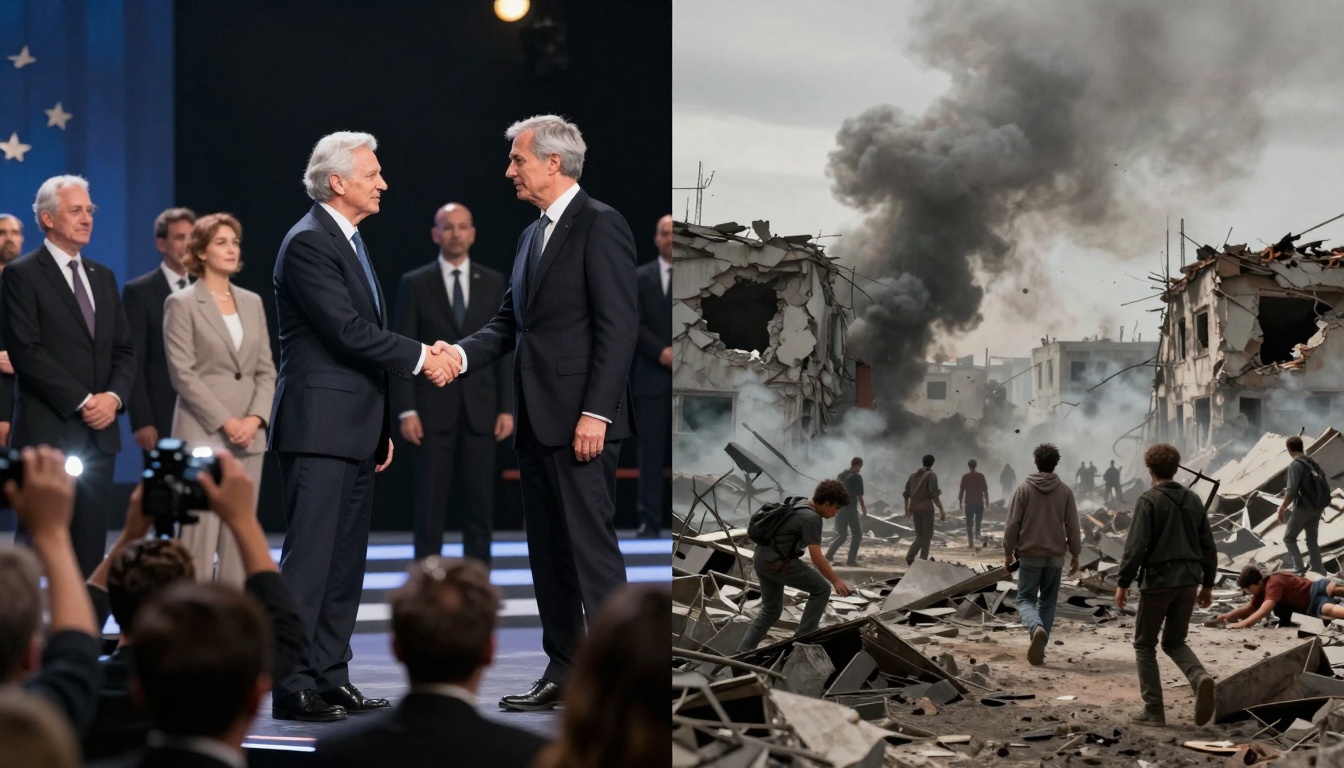
Picture world leaders on a sunlit stage. They shake hands as crowds cheer. Cameras flash. Peace seems close at last. Days later, bombs fall again. Families flee in panic. It’s a scene repeated too often. Stats show the harsh truth: about half of civil war peace pacts collapse within five years. Why do these failed peace agreements promise hope, then shatter it?
Signed deals should end fights. Yet they drag us back to war. The puzzle lies in spoilers who undermine talks, weak plans with no teeth, and divides too deep to bridge. Think of the Paris Peace Accords in Vietnam, the Oslo Accords between Israel and Palestinians, or the US-Taliban pact in Afghanistan. Each started with optimism. Each ended in blood.
This article uncovers why peace deals fail. You’ll see real stories of broken pacts. You’ll learn the main flaws that doom them. And you’ll spot lessons for deals that might stick. Have you wondered why handshakes turn to gunfire so fast? Let’s find out.
Real Stories of Peace Pacts That Shattered
History overflows with peace deals that crumbled. Leaders signed amid fanfare. Fighters laid down arms, or so it seemed. Then betrayal struck. These tales reveal the human cost: shattered lives, lost trust, endless grief. Three cases stand out. They show hopes raised high, then dashed low.
Paris Peace Accords: Vietnam’s False Dawn
In January 1973, US President Richard Nixon hailed the Paris Peace Accords. They aimed to end America’s role in Vietnam. North and South Vietnam agreed to a ceasefire. The US would pull out troops. Prisoners would return home.
Hopes soared. Villages buzzed with talk of normal life. But North Vietnam broke the truce fast. They poured south with tanks and troops. South Vietnam stood alone. No US aid came as promised. By April 1975, Saigon fell. Helicopters lifted desperate people from rooftops. Over a million died in the years after. The accords bought two years of false calm. Then war swallowed the land whole.
Oslo Accords: Israel’s Handshake That Slipped Away
Secret talks in Norway led to the 1993 Oslo Accords. Israeli Prime Minister Yitzhak Rabin and Palestinian leader Yasser Arafat gripped hands on the White House lawn. Palestinians got limited self-rule in Gaza and the West Bank. Israel pulled back from some cities. Final borders would come later.
Joy erupted in streets from Tel Aviv to Ramallah. Markets reopened. Kids played without fear. But Israeli settlements grew fast. They ate up promised land. Violence spiked with bombings and shootings. The 1995 murder of Rabin by a Jewish extremist shook Israel. Ariel Sharon’s 2000 visit to a holy site sparked riots. Talks died. No state emerged for Palestinians. For deeper insights into Oslo’s key failures, see this analysis. Decades on, the handshake feels like a ghost.
US-Taliban Pact: Afghanistan’s Bitter Exit
February 2020 brought the Doha deal. The US and Taliban signed in Qatar. America promised to withdraw troops in 14 months. In return, the Taliban would stop attacks on US forces and start talks with Afghanistan’s government. Prisoners would swap.
Afghans dreamed of calm roads and open schools. Women returned to work. But the pact skipped the Afghan government. No ceasefire bound the Taliban. They kept fighting. Prisoner releases stalled. As US troops left in 2021, Taliban fighters surged. Kabul fell in days. People clung to planes. Chaos ruled. A US report explains why negotiated peace stayed out of reach. The deal sped a takeover, not talks.
The Hidden Flaws Dooming Most Peace Agreements
Peace pacts fail at rates near 40 to 50 percent. Studies from groups like the US Institute of Peace back this. Patterns emerge across conflicts. Spoilers lurk. Designs lack strength. Divides run deep. These flaws erode trust. They invite cheats. Fighters see gain in war over words on paper.
Spoilers Who Sabotage from Within
Some sign deals, then wreck them. These spoilers fear lost power. They use violence or delays to derail peace. In Rwanda, Hutu extremists signed pacts but plotted genocide. They feared Tutsi rule. Angola’s UNITA rebels won elections in 1992. Then they restarted war. Leaders lost sway.
Spoilers thrive in chaos. They rally hardliners with hate speech. Arms flow easy. The Paris Accords saw North Vietnam as a spoiler. They violated terms to win all. Oslo faced Hamas attacks that killed talks. Spoilers count on weak response. They bet leaders blink first.
Weak Designs Without Real Backup
Many pacts lack muscle. No strong mediators enforce terms. Key players sit out. The US-Taliban deal had no Afghan voice at the table. No ceasefire clause stopped Taliban raids. Oslo promised self-rule but set no firm dates or borders. No guarantors stepped in when settlements spread.
Plans need teeth. Third parties like the UN must watch compliance. Sanctions hit cheaters. In Colombia, FARC rebels joined politics after strong oversight. Weak deals invite tests. Sides probe limits. One breach snowballs. Talks collapse. Experts note vague timelines doom half of pacts.
Deep Divides and Greedy Resources
Fights rage over identity or loot. Goals clash: one side wants all land. Palestinians see Israel as occupier. Israel views it as homeland. Such divides heal slow. Resources fuel fire. Congo’s gems bankroll militias. Colombia’s cocaine pays rebels.
Loot tempts betrayal. Fighters profit from war. External backers arm spoilers. Iran aids Hezbollah against Israel. Russia props Assad in Syria. Divides widen with grudges. Oslo ignored settlement hate. Taliban drew Saudi cash. Resources and hate make peace a loser’s bet.
Lessons to Forge Deals That Actually Last
Hope exists. Studies show what works. Include all sides, even ex-fighters. Colombia’s 2016 pact gave FARC seats in congress. They traded guns for votes. No relapse yet.
Strong guarantors matter. NATO backed Bosnia’s 1995 Dayton deal. Troops enforced it. Peace holds. Target spoilers early. Isolate them with sanctions. Offer amnesty to rank-and-file.
Inclusive talks build buy-in. Exclude no one vital. Address resources: curb diamond trades in Sierra Leone. That pact lasted. Imagine Gaza’s next ceasefire with Hamas disarmed under UN watch. Or Ukraine’s talks with clear borders and iron guarantees.
Recent news fits. Gaza’s 2025 truce teeters. Israel demands weapons first. Hamas resists. Ukraine nears a deal, but Putin stalls on territories. Use these lessons. Vague pacts fail. Firm ones endure.
Craft deals with eyes open. Map divides. Plan enforcement. Curb war profits. Future pacts can outlast cheers.
Peace deals crumble when flaws win. We’ve seen Paris fade, Oslo stall, Taliban triumph. Spoilers sabotage. Weak plans fold. Divides fester. Yet fixes shine: include all, enforce hard, share power.
The stakes stay human. Kids deserve playgrounds, not bunkers. Follow CurratedBrief for global news updates on these fights. Picture handshakes that hold. Bombs silent. That’s peace worth chasing. What deal will break the cycle next?