
Listen to this post: Peace Negotiations in the Age of Social Media Leaks and Deepfakes
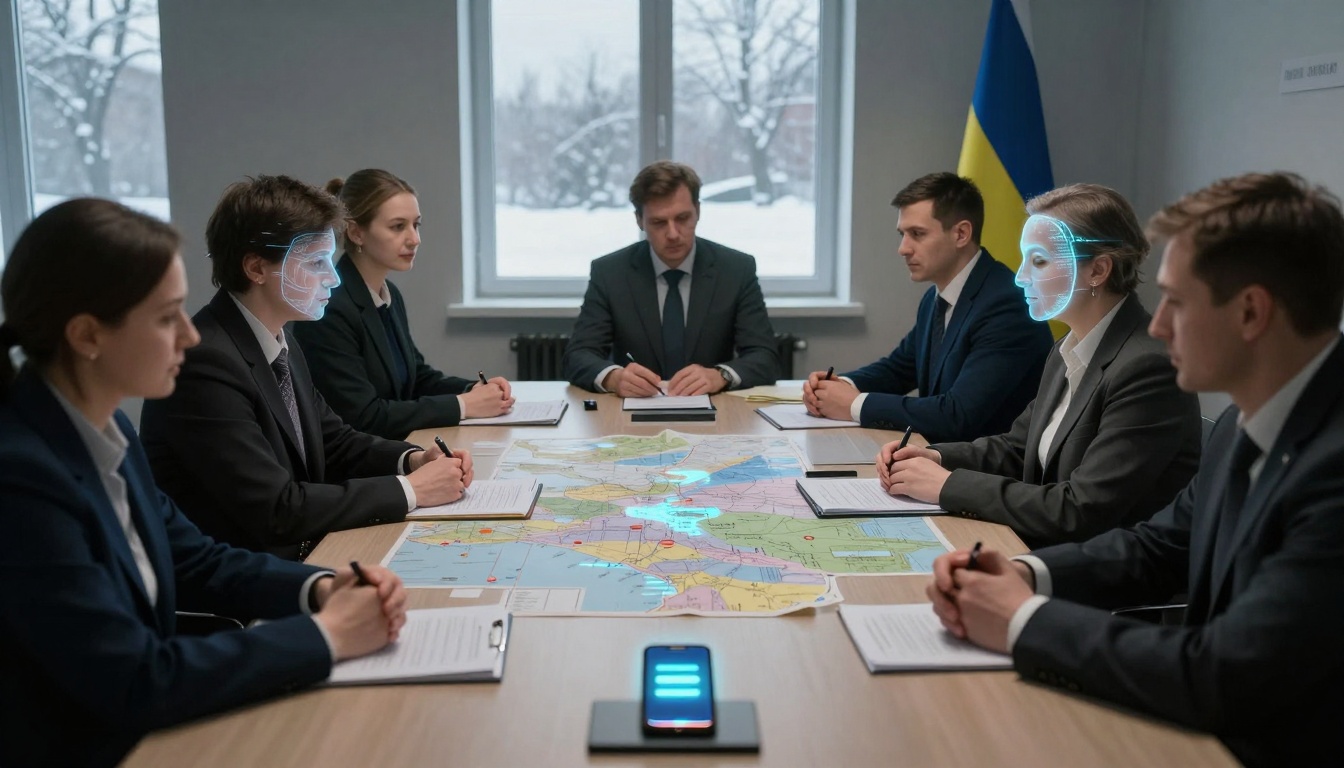
Picture a dimly lit room in a neutral city. Negotiators from Ukraine and Russia huddle over maps and drafts. Tension fills the air as they edge towards a ceasefire. Then, a phone buzzes. A leaked post hits X, formerly Twitter. The world explodes in fury. This scene played out in late 2025 with the Ukraine peace plan leak. A secret US proposal surfaced, urging Ukraine to give up land and drop NATO dreams. Outrage followed from Kyiv to Washington.
Social media leaks and deepfakes now haunt every secret talk. In January 2026, a Ukrainian team met US officials like Steve Witkoff and Jared Kushner to push security guarantees. Yet trust hangs by a thread. Russia keeps bombing power plants in freezing weather, while claims fly that Zelenskyy blocks peace. These digital threats make true secrecy rare.
This post breaks down real cases, the damage they cause, and steps to fight back. Negotiators must adapt fast, or peace stays out of reach.
Leaked Messages That Broke Trust in Key Peace Talks
Leaks strike like lightning in peace talks. They turn private chats into public scandals overnight. Late 2025 brought a stark example with the US Ukraine peace plan. Axios revealed a 28-point draft that pushed Ukraine to cede Crimea and Donbas, shrink its army, and forget NATO. Rubio blasted it on X as too soft. Then came leaked calls between Witkoff and Russia’s Ushakov. In one, the US envoy seemed to coach Moscow on handling Trump.
Backlash hit hard. Ukrainians called it a Russian wishlist. US senators fumed. Trump pushed back deadlines. The plan died amid the noise. Social media sped it all up. Posts raced across X and Telegram, amassing millions of views in hours. Videos dissected every point. Trust crumbled as sides dug in.
Past deals thrived on silence. Think the Iran nuclear talks in 2015. Envoys met in back rooms without a trace online. Today, every WhatsApp ping risks exposure. Hackers or insiders post drafts, calls, even notes. Gaza truce efforts in 2025 stalled after similar slips. Leaders now second-guess every word.
The 2025 Ukraine Plan: From Draft to Diplomatic Disaster
The draft listed 28 tough points. Ukraine would yield eastern lands, cap troops at 150,000, and pay reparations from frozen Russian assets. Witkoff’s leaked call with Ushakov showed him saying, “We can work this together.” A leaked recording captured the exchange, fuelling bias claims.
Kyiv raged. Zelenskyy posted a video slamming the ideas. Public rows erupted online. Talks slowed as sides hardened. Leaders faced home crowds demanding no surrender. One diplomat quit in protest. The fallout lingers into 2026.
Why Social Media Turns Whispers into Global Screams
A whisper once stayed in a room. Now it screams worldwide in minutes. A draft hits X, bots amplify it, news picks it up. Viral posts force leaders to deny or defend. Ukraine’s plan leak spread to 50 million views in a day.
Older leaks like WikiLeaks took weeks to brew. Social media cuts that to hours. Public fury binds hands. In 2026 Gaza ideas, a leaked memo sparked riots. Ukraine ceasefire whispers face the same. Trust vanishes when every side sees the other’s cards too soon.
Deepfakes: Fake Videos That Trick Leaders and Crowds
Deepfakes add poison to the mix. AI crafts videos so real they fool eyes and ears. A leader appears to offer peace, or surrender. Crowds react before facts check out. In wars, these fakes aim to break morale or spark rage.
Ukraine saw it early. A 2022 clip showed Zelenskyy urging surrender. It hit hacked TV and social feeds. He countered with a live video. But damage stuck. Russia pushed fakes like Kursk governor clips. Israel-Hamas saw bogus baby rescue images from rubble.
Elections fell victim too. Slovakia’s 2023 vote swung pro-Russia after a fake audio. Turkey dropped a candidate over deepfake smut. Nigeria’s polls had forged leader speeches. Russian ops like Undercut swapped faces on peace calls. Cheap tools make them easy; apps cost pennies.
In 2026 talks, imagine a fake Putin conceding land. Or Zelenskyy yielding ports. Sides debunk, but doubt festers. BBC covered deepfake presidents in the Russia-Ukraine clash, showing the trend.
Zelenskyy’s Ghost: The Surrender Video That Never Happened
March 2022: A video drops on a hacked Ukrainian TV site. Zelenskyy stands at a podium. “Lay down arms,” his fake voice says. “Surrender to Russia.” It blasts across Telegram and Facebook. Panic stirs.
Zelenskyy posts real footage minutes later: “We fight on.” Ukraine warned of such tricks before. Yet fakes kept coming in 2023, like him praising Putin. In peace talks, one could fake orders to troops, sowing chaos on front lines.
From Elections to Wars: Deepfakes Stir Global Chaos
Deepfakes hit polls hard. Slovakia’s Fico won on a rigged opposition audio promising Ukraine cash. Turkey’s opposition bailed after deepfake sex tapes. Nigeria’s fake Tinubu voice swayed votes.
Wars amplify it. A deepfake Zelenskyy clip mocked surrender fears. Russia self-hacks with face swaps. As 2026 Ukraine talks heat up, fakes could derail deals by faking concessions.
Smart Fixes to Shield Peace Talks from Digital Threats
Hope exists. Negotiators can outsmart these threats with smart rules. Train teams in cyber basics. Assume every message leaks. Use encrypted apps, but prefer face-to-face.
Libya’s 2020 ceasefire banned social posts during talks. Nigeria’s peace code silenced sides online. Go offline for core sessions; no phones in the room. Build backup plans if fakes hit. John Kerry stressed secrecy in his memoirs: meet in person, trust few.
Monitor platforms to gauge public mood, not manipulate. AI tools now spot deepfakes by eye twitches or lip sync fails. Roll them out fast.
Cyber Rules and Offline Secrets for Safer Deals
Start with training. Envoys learn to spot phishing, use secure lines. Doxxing shields identities. Add clauses to agendas: no social posts till deals sign.
Offline works best. Camp David summits shunned tech. In 2026, Ukraine-US meets could mimic that. Protect against leaks from the start.
Turning Social Media into a Negotiation Ally
Watch feeds ethically for sentiment. Counter false narratives with facts, not fights. Colombia’s peace campaign used Twitter to build support.
Afghanistan talks set hate speech bans. Shape the story without hiding. Turn the beast to your side.
Conclusion
Leaks and deepfakes wrecked the 2025 Ukraine plan and haunt 2026 efforts. A leaked draft sparked fury; fake Zelenskyy videos sowed doubt. Yet as Ukrainian teams push guarantees amid Russian strikes, adaptation matters most.
Sides win by training cyber skills, going offline, and monitoring smartly. Tools like AI detectors stand ready. Watch news with a sharp eye. Back secure diplomacy that lasts.
Peace hangs in the balance, but humans hold the edge over pixels. What leak or fake will test talks next? Stay informed; your voice shapes the fix.