
Listen to this post: The Future of Nuclear Arms Control After New START Expires
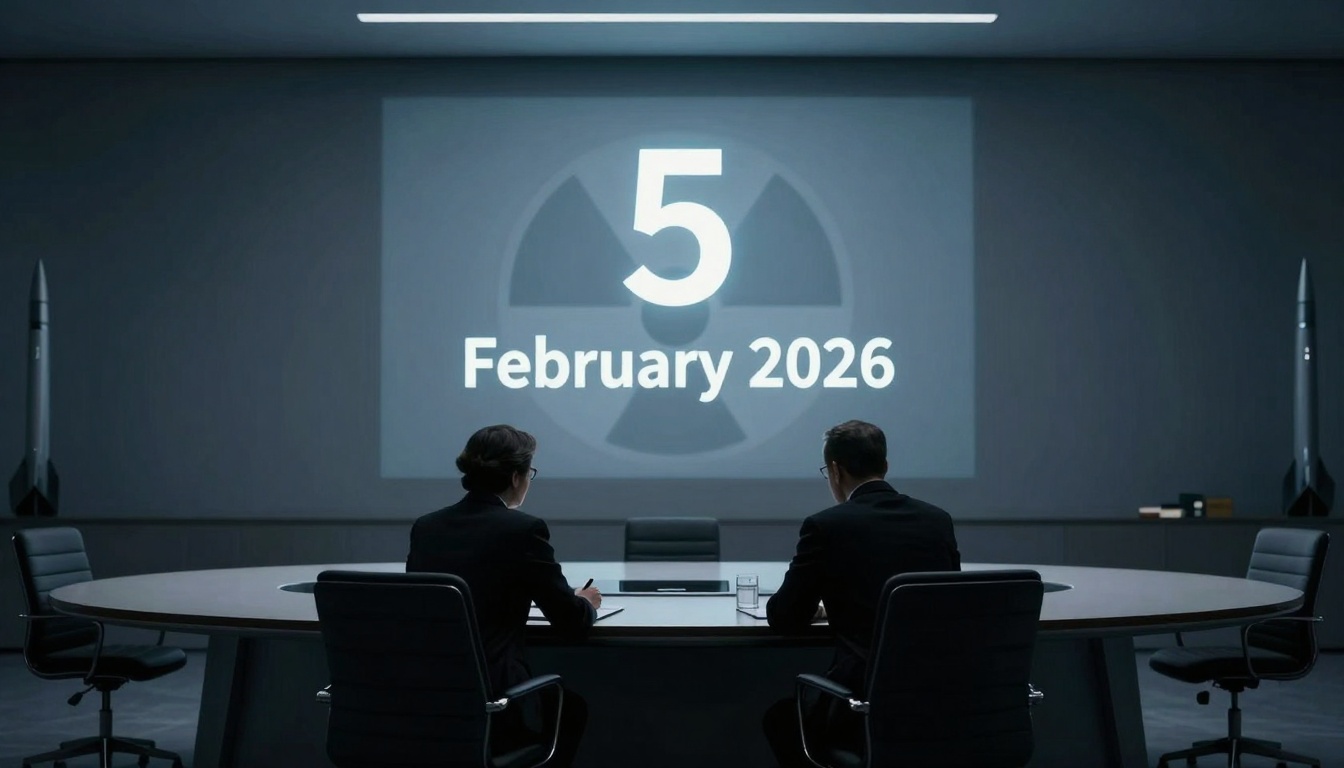
Picture world leaders in a dimly lit room. Tension fills the air as clocks tick towards 5 February 2026. That’s when New START, the last treaty capping US and Russian nuclear weapons, expires. For the first time since 1972, no legal limits will bind their arsenals. Both nations hold thousands of warheads. Without checks, they could build more freely. This shift risks a new arms race, one that endangers everyone.
Why does this hit home? Nuclear weapons pack city-destroying power. Past treaties cut risks by curbing numbers and allowing inspections. Now, trust frays amid wars and rivalries. Russia suspended New START checks in 2023 over Ukraine tensions. The US demands full access before any deal. Stockpiles grow elsewhere too, with China expanding fast.
This post traces the story. We review collapsed treaties, rising arsenals, roadblocks to deals, and faint paths ahead. Facts draw from recent reports and talks. Stay with us to grasp the stakes for global peace.
Key Treaties That Have Already Collapsed
Arms control once tamed the nuclear beast. Treaties set rules and built trust through peeks at each other’s bases. But one by one, they fell. The US and Russia point fingers over breaches. Each loss chips away at stability. Without them, suspicions fester. Nations spy from afar with satellites, but that’s no substitute for on-site eyes.
Take the Intermediate-Range Nuclear Forces (INF) Treaty from 1987. It banned land-based missiles with ranges of 500 to 5,500 kilometres. Both sides destroyed hundreds. Yet the US pulled out in 2019, claiming Russia cheated with new cruise missiles. Russia fired back, accusing the US of tests in Europe. Now both deploy such weapons. Picture shorter warning times for strikes in Europe or Asia. Tensions spike without that ban.
Open Skies Treaty followed a similar path. Signed in 2002, it let unarmed flights over territories for snapshots of forces. The US quit in 2020 over Russian limits on flights. Russia left in 2021. No more aerial trust-builders. Military planners now rely on riskier guesses.
The Anti-Ballistic Missile (ABM) Treaty ended even earlier, in 2002. It curbed defences to keep mutually assured destruction credible. The US withdrew to build shields against rogue states. Russia called it a blow to balance.
And the Comprehensive Test Ban Treaty (CTBT) lingers unsigned by key powers. It aims to halt all nuclear blasts. India, Pakistan, and others never joined. The US Senate rejected it in 1999. Tests stopped anyway, but computer simulations fill the gap.
These breakdowns form a grim pattern. Each erodes faith in pacts. US Senate resolution on avoiding a new arms race highlights the urgency one year out.
New START: The Last Big Limit Vanishes
New START, signed in 2010, stood as the final bulwark. It caps each side at 1,550 deployed strategic warheads and 700 deployed launchers like missiles or bombers. Total launchers max at 800. Inspections verified compliance until 2023.
Russia paused those visits amid Ukraine strife. It claims the US used the war to spy. Now both lean on satellites for proof. Putin offered in September 2025 to stick to limits for one more year post-expiry. A voluntary hold to ease the jolt. The US balked. No inspections mean no trust. Trump ties any extension to ending Ukraine fighting. With no bipartisan push, the treaty dies on schedule. Caps vanish. Arsenals could swell unchecked.
From INF to Open Skies: A Pattern of Breakdowns
INF’s death freed mid-range threats. The US tests new missiles. Russia rolls out its 9M729. Flight times shrink to minutes over Europe.
Open Skies’ end blinded overhead monitoring. Russia curtailed US flights first. Now neither side flies freely. Accidents or build-ups go unseen longer.
ABM’s collapse let defences grow. The US deploys interceptors in Alaska and Europe. Russia builds its own, claiming counter to shields.
CTBT stalls as nations simulate blasts. North Korea tests openly. Others watch and learn.
These losses stack up. Verification weakens. Doctrines shift to first-use options. A cycle feeds itself.
Nuclear Stockpiles Grow Amid Rising Tensions
Numbers tell the tale. As of early 2026, the US holds about 3,700 warheads total. Russia packs 4,380. New START only limits deployed strategic ones. Tactical nukes and reserves sit outside. China surges past 600, aiming higher by decade’s end. North Korea nears 50, firing tests over Japan.
Modernisation races on. The US upgrades Minuteman missiles and builds Columbia subs. Russia deploys Sarmat giants and Poseidon drones. China silos multiply in deserts. These aren’t relics. Warheads get nimbler, harder to track.
Flashpoints fuel the build. Ukraine sees Russian threats of tactical use. North Korean missiles arc towards US allies. China’s navy shadows Taiwan. Without caps, leaders hedge bets. Add hypersonic gliders that dodge defences. One wrong move escalates.
SIPRI tracks this climb. Forecasts for future Russian-US arms control warn of unchecked growth. Compare to Cold War peaks over 70,000 warheads. Today’s totals seem modest. But precision boosts deadliness. A single sub can level cities. Limits once prevented frenzy. Now piles grow as rivals eye gaps.
Obstacles Standing in the Way of Fresh Deals
Talks stall on deep rifts. Trust shattered by Ukraine invasion. Russia sees US arms to Kyiv as provocation. No inspections since 2023 breed doubt. China refuses bilateral chats, demanding parity first. New weapons evade old rules. Politics sours moods. With New START’s clock ticking, a nonproliferation summit looms. Yet odds favour stalemate.
Verification haunts all. Satellites spot silos but miss warhead counts. On-ground teams once tagged items. Now? Blind spots invite cheating claims.
China’s rise changes math. The US seeks trilateral pacts. Russia says no, stick to bilateral.
Hypersonics zip at Mach 5, mocking slow treaties. AI guides swarms. Stored warheads multiply fast.
What if no deal? Arsenals balloon. Accidents rise. A cyber glitch or misread radar sparks launch.
Why China and Verification Are Make-or-Break
US envoys push three-way talks. Russia rejects, citing NATO expansion. China builds unchecked, hitting 1,000 warheads soon. No incentive to join without equal cuts.
Inspections beat satellites. Orbits miss mobile launchers or caves. GAO report flags US verification challenges. Data swaps ended too. Guesses replace facts. Rebuild trust? Years away.
New Weapons Tech Shakes Up the Game
Hypersonics like Russia’s Avangard weave mid-flight. No defence catches them. Treaties wrote for straight paths.
Jammers blind radars. Drones swarm silos. Tactical nukes arm short-range arms, outside START.
Stored warheads surge on alert. Russia boasts 1,500 ready. Tech lets quick uploads. Old caps ignore this speed.
Paths Forward in an Uncertain World
Options exist, slim as they are. Build on Putin’s one-year hold. Both declare numbers, swap satellite data. Buy time for real talks.
Pull China in via side pacts. Freeze growth at current levels. Multilateral forums like the UN push norms on tests.
Informal understandings worked before. Reagan and Gorbachev cut via summits. Trump might leverage deal-making.
Odds stay low. Ukraine drags on. Elections shift priorities. Yet diplomacy flickers. Public pressure sways leaders. Support groups backing limits. Watch for Geneva meets.
Hope lies in shared dread. No one wins nuclear exchange. Small steps avert dash.
Conclusion
Treaties crumbled: INF gone, Open Skies blind, New START next. Stockpiles climb with US at 3,700 warheads, Russia higher, China racing. Obstacles loom large, from broken trust to hypersonic tricks. Paths forward hinge on bold talks.
The clock nears midnight. Back leaders chasing deals. Stay sharp on CurratedBrief for updates. What role will you play in pushing peace? Your voice counts when stakes mean survival.