
Listen to this post: Can Regional Powers Really Act as Peacemakers in Their Own Neighbourhoods?
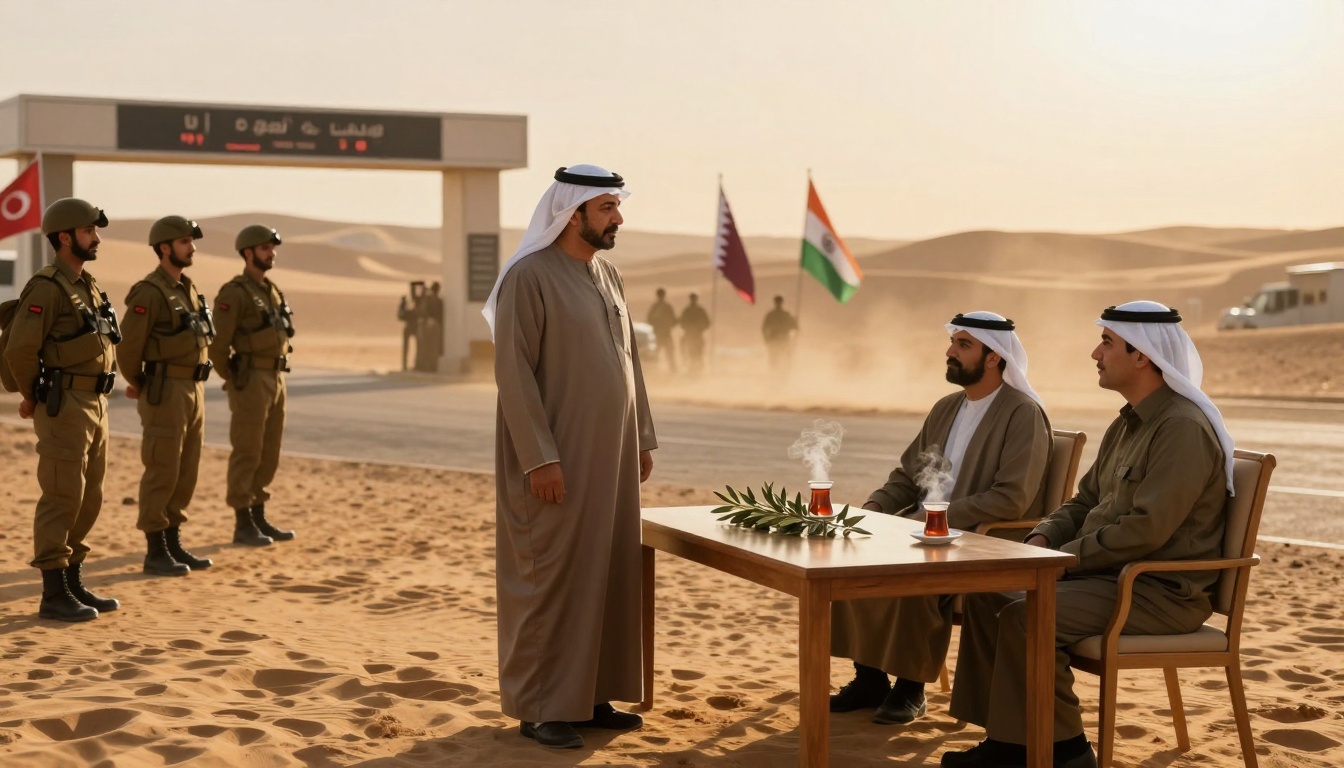
Picture a dusty border post in the Middle East. Tensions boil as militias clash. Then a local heavyweight steps in, speaks the same language, shares the same faith. Guns fall silent for talks around a simple table. Regional powers like Turkey, India, or Qatar hold sway in their neighbourhoods through history, culture, and raw strength. They know the streets, the grudges, the unwritten rules.
But does closeness help or hurt? Do they broker lasting peace, or does proximity fuel bias? Regional powers shine with trust and speed, yet trip over old feuds and self-interest. This piece weighs their edges, spotlights wins like Qatar’s Gaza deals and India’s Maldives aid from 2020 to 2026, flags flops such as Indonesia in Myanmar, and maps paths forward. In a world of slow global talks, can neighbours fix their own rows?
Why Regional Powers Hold an Edge in Local Conflicts
Neighbours sort fights better than strangers. Regional powers grasp customs, skip time zones, and flex muscle close by. Think of a family spat: the uncle next door calms it faster than a cop from afar. The UN often faces suspicion as an outsider. Yet locals carry baggage from past scraps, which clouds their view.
Turkey weaves ties through shared faith in 2024 Middle East talks. Qatar nails Gaza hostage swaps from 2023 to 2025 with solid contacts. These perks beat distant efforts.
- Cultural fit: They speak the lingo, honour traditions.
- Speed: Quick flights mean fast fixes.
- Leverage: Neighbours pack economic or military pull.
Pitfalls loom too.
- Bias: Old wars breed doubt.
- Power plays: Gains tempt foul play.
Leaders hug at summits, crowds cheer truces. Still, grudges simmer.
Cultural Ties That Build Real Trust
Shared roots seal deals. Turkey eases Muslim talks in 2024 with ease, no translators needed. Qatar hosts Ethiopia-Somalia pacts that year on neutral soil. Leaders clasp hands, old hates fade under familiar skies. Trust flows from bloodlines and beliefs. No stiff protocols block the flow.
Speed and Clout Right Next Door
Quick action trumps slow bureaucracy. India turns Maldives pro-India with aid and chats from 2023 to 2025. Brazil shares intel to cut Colombia violence in 2025. UN processes drag months. Locals move in days, borders no barrier. Power hits home without red tape.
Bright Spots: Peacemaking Wins Close to Home
From 2020 to 2026, regional players notched real gains. Qatar’s quiet work freed Gaza hostages and cooled Horn of Africa rows. India’s smart aid steadied Maldives after 2023 votes. Brazil calmed Colombia borders post-FARC. Trust and light touch worked magic. No heavy baggage weighed them down.
Crowds filled Male streets in joy after 2024 polls. Leaders swapped smiles, not shells. Steps included backroom chats, aid drops, and shared security. By January 2026, truces held fragile but firm. Angola’s mediation in DRC-Rwanda clashes shows similar African wins, blending local insight with global nods.
These tales prove neighbours can heal wounds.
Qatar’s Quiet Wins in Hot Zones
Qatar led a January 2026 Gaza ceasefire, pausing 15 months of war that claimed 47,400 Palestinian lives. Indirect Doha talks freed hostages, swapped prisoners. Fighting lingers, but deals endure. Neutral rep and aid cash built bridges. Earlier Somalia pacts stuck too. Gulf mates like UAE pitched in for swift fixes. Trust from all sides sealed it.
India Steadies the Maldives Storm
‘India Out’ cries rang post-2023. Aid floods and defence pacts flipped tides. Pro-India win in 2024 brought calm. Soft power, not tanks, won hearts. Stability holds by 2026; tourism booms, rows quiet. Quick neighbourly chats beat far-off pleas.
Hard Lessons from Regional Flops
Balance demands flops too. Saudi pushes in Yemen falter from own strikes. Indonesia’s Myanmar plan draws junta scorn since 2021. India’s Bangladesh links sour after 2024 unrest. South Africa stalls Sudan talks amid war. Bias and weak teeth doom them.
Refugees stream from broken truces. Ceasefires crack under self-interest. Culture aids entry, but egos block exits. By 2026, wars grind on.
US-brokered Congo-Rwanda peace path highlights mixed regional tries, where locals lack full pull.
Trends scream caution.
Yemen: Saudi’s Neighbour Turns Nightmare
Saudi ceasefire pleas ring hollow after own bombs. No neutral face; Houthi distrust boils. Fights drag to 2026, shaky halts at best. Past roles poison wells. Aid helps, but bombs undo it.
Myanmar: Indonesia’s ASEAN Dream Crumbles
2021 five-point plan flops. Junta ignores; civil war swells. China shields rogues. Partial South China Sea calm with Vietnam, but no full peace. Weak bloc ties fail enforcement.
What It Takes for Regional Peacemakers to Thrive
Neutrality rules. Pair with UN for teeth. Lean on culture, skip cash bribes. Qatar wins unbiased; Saudi flops on grudges. Data shows clean hands yield holds.
2026 eyes Gulf and African surges. Watch Turkey, UAE. Steps: build rep, share intel, enforce pacts. Hope rises with fair play. Locals fill global gaps smartly.
Conclusion
Regional powers spark peace nearby with trust and haste, but bias derails them. They beat suits from afar if egos stay checked. That border post truce? Possible, with fairness.
In 2026’s mess, they plug UN holes. Root for savvy neighbours. What role will Qatar play next? Share thoughts below. Thanks for reading.
(Word count: 1,472)