

Listen to this post: Pandemic Preparedness After COVID-19: Are We Better Prepared in 2026?
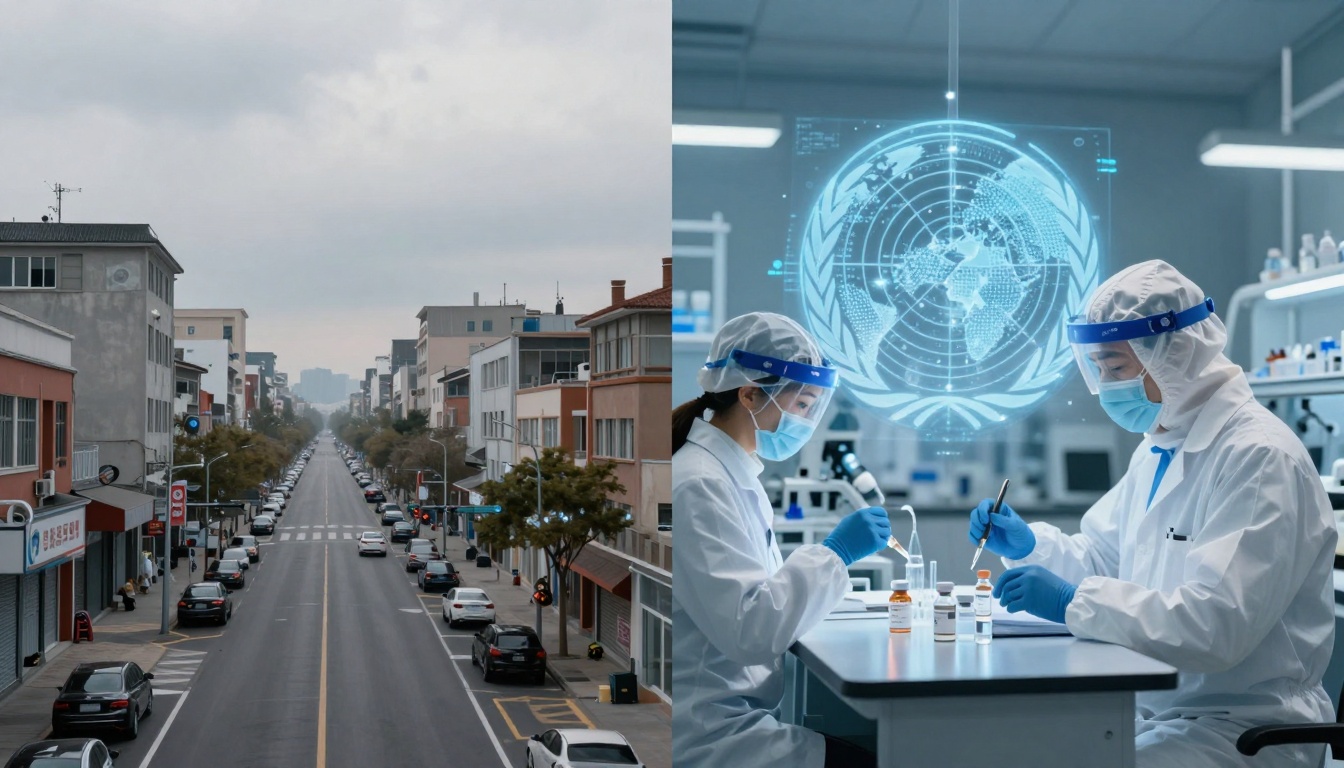
Empty streets stretch out under grey skies. Shops shuttered, masks clutched tight, families huddle indoors as sirens wail in the distance. That was the world in 2020, gripped by COVID-19. Fast forward to January 2026. Have we learned enough to face the next outbreak? Progress shines through in deals like the WHO Pandemic Agreement from May 2025 and the Pandemic Fund that aids poorer nations. Yet gaps loom large in funding and fair access.
This post looks at real steps forward, stubborn hurdles, and what experts say now. We cover wins in global pacts and cash flows that speed up vaccines. Then we face shortfalls that risk repeats of past chaos. Finally, views from the front lines show a world half-ready at best.
Real Progress We’ve Made Since COVID-19
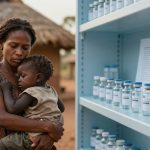
Nations moved quick after the chaos of lockdowns and overflowing hospitals. Tools now exist to spot threats early and share fixes fast. The WHO Pandemic Agreement ties human health to animals and the environment in a fresh way. It sets up steady supplies of vaccines and tests. Local production ramps up too, cutting wait times from years to months.
Leaders pledged the 100 Days Mission to roll out vaccines in weeks, not ages. Funds flow to build labs in remote spots. These shifts promise quicker action when the next virus stirs.
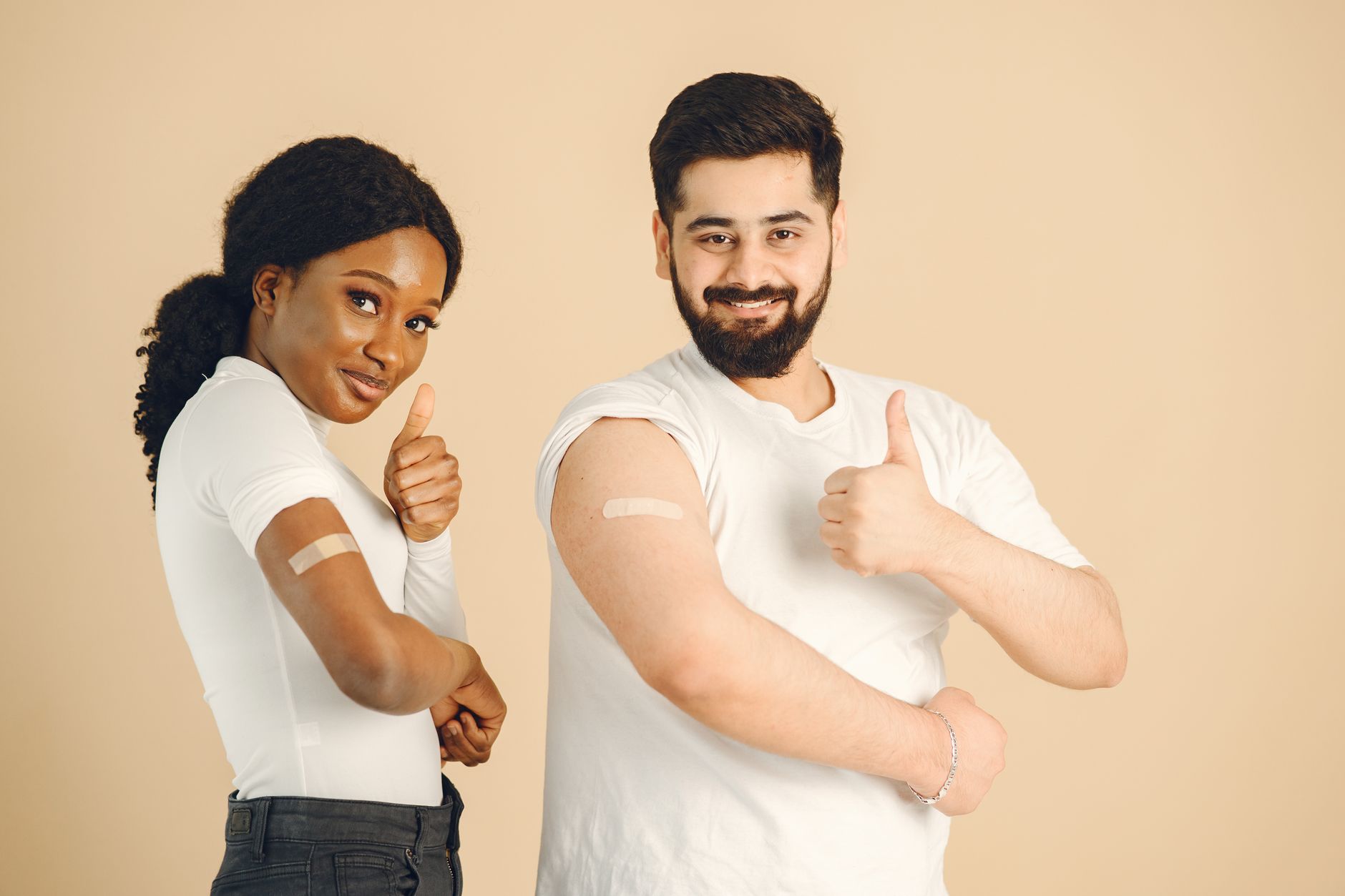
Photo by Gustavo Fring
WHO Pandemic Agreement Changes the Game
Talks wrapped in May 2025 after years of push. This pact boosts watch systems that track bugs across borders. It shields health workers with better gear and training. Governments now talk straight with their people during scares.
The deal creates a Global Supply Chain Network for fair shares of shots and swabs. Low-income spots get cash and tech help. Picture aid trucks reaching dusty villages in days, not months. For details on its approval, check WHO’s announcement on the World Health Assembly vote. It stresses One Health links too, so a sick bird in Asia flags risks everywhere.
Pandemic Fund Puts Money Where It Counts
Launched in 2022, this pot grew past 500 million dollars by 2026. It hands grants to 32 needy countries like Somalia and Tajikistan. Funds build labs, train spotters, and link human and animal health checks.
Extra pledges pull in four billion total. Labs rise in quiet towns, radars scan for early signs. Response teams drill weekly. No more blind spots in far-off lands.
Gaps That Leave Us Vulnerable Still
Bright spots fade against hard truths. Tracking groups like the Global Preparedness Monitoring Board wind down by 2027. No full watch stays in place. Cash runs dry fast. Rich places hoard gains while others scrape by.
US aid cuts slash health budgets worldwide. Data sharing slows as trust frays. Labs sit idle without fuel. Picture a fever spreading unchecked from a market stall because funds dried up.
Funding Falls Short of What We Need
Poorer nations need 10 to 15 billion dollars a year for solid defences. They get just 2.25 billion so far. Demand swamps supply, lists grow long. High-risk spots wait years.
US health aid dropped to 9.4 billion, a big hit. Labs half-built gather dust. Teams lack kits. The UN briefing on the 2026 Political Declaration flags this as a top worry ahead of September talks.
Equity and Monitoring Weak Spots
Low-income countries beg for basics while rich ones stockpile. US blocks on flu samples stall global scans. No one body checks readiness head-on. The Pathogen Access and Benefit-Sharing talks drag into 2026.
Folks in Lagos or Lima miss out on swift shots, just like in 2020. See WHO’s update on negotiation progress for the sticking points.
What Experts Think: Ready or Not?
Voices from Geneva to New York mix hope with warnings. The WHO deal lays a base, but cash and fairness lag. “A generational win,” says Director-General Tedros, yet rollout crawls. Co-chairs from the UK and Brazil nod to shared will, but pace matters.
UN meetings loom in 2026 to push leaders. One expert paints two paths: united action averts disaster, or silos breed the next wave. Funds must triple, tracking bodies reform. Picture radars beeping worldwide, labs humming shoulder to shoulder.
The UN News on finalising the agreement captures the cheers, but real tests come with ratifications. Experts call for a new monitor group by mid-year. Slow fixes risk repeats. Still, momentum builds if nations step up.
Progress marks the board since those silent streets of 2020. The WHO Pandemic Agreement and Pandemic Fund stand tall as tools for quicker strikes. Yet funding shortfalls and equity snags leave cracks wide open. We’ve built better walls, but not all stand firm.
Are we truly prepared? Better, yes, but not enough. Poorer nations still scramble. Push your leaders for fair cash flows and strong watches. Stay sharp, share facts, back global teams. Imagine a world where the next alert sparks unity, not panic. That future waits on us now. Thanks for reading; what steps will you take?