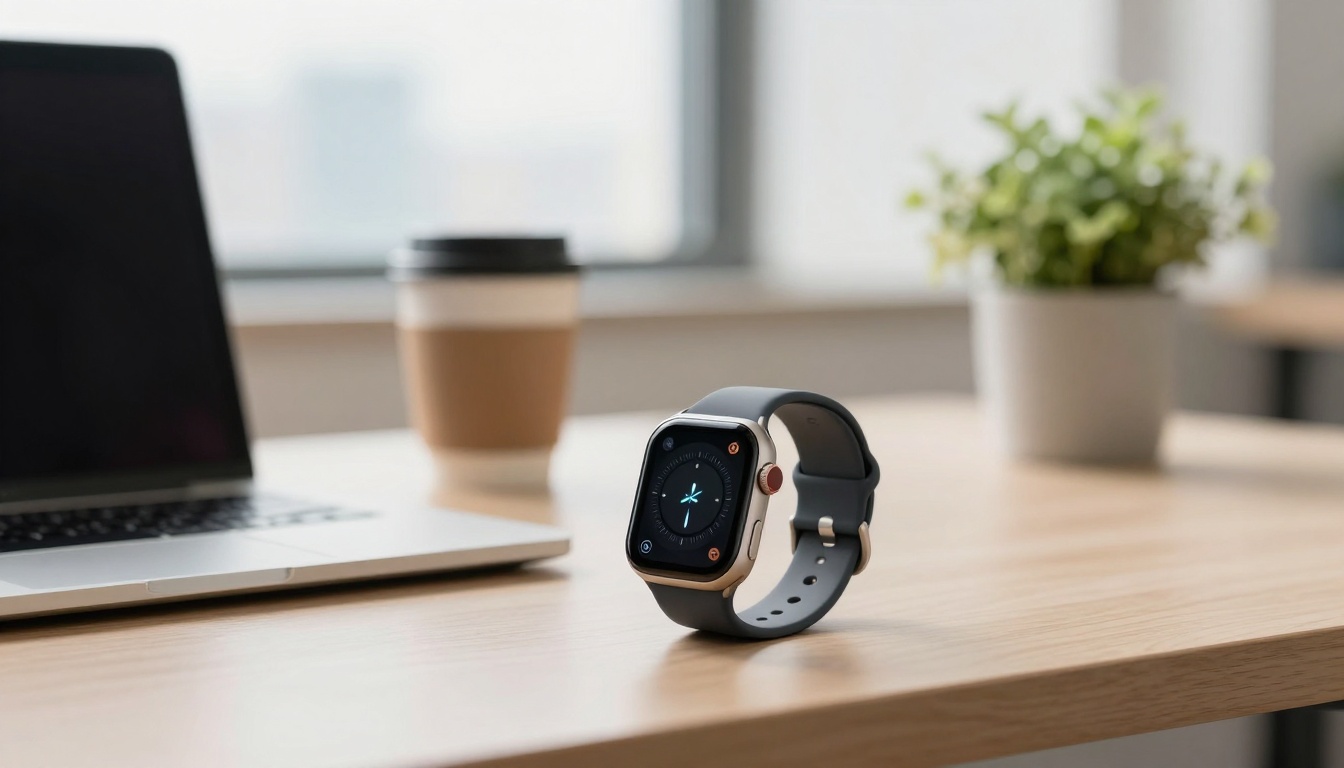

Listen to this post: Wearable Tech and Wellness: Do Smartwatches Really Make You Healthier?
Picture this: it’s mid-morning in a hectic workday. Your wrist buzzes softly. The screen lights up with a gentle nudge: stand up, breathe deep, or hit 5,000 steps. That smartwatch feels like a pocket coach, always watching your every move. But here’s the big question. Do these gadgets truly make you healthier, or do they just tally numbers on your wrist?
Smartwatches promise a lot in 2026. They count steps, track sleep patterns, monitor heart rhythms, and even flag stress spikes. Nearly 1 in 3 Americans wore one daily by late 2025, a trend that crossed the pond to the UK too. Sales keep climbing as people chase better wellness. Fresh studies from 2025 and 2026 paint a clear picture. They show real boosts in daily activity and sleep quality. Some users spot heart issues early, dodging bigger problems. Yet results vary. Wearables nudge habits forward, but they don’t replace gym sessions or doctor’s advice. This piece weighs the evidence. You’ll see what they track, what science says, and where they fall short. Let’s sort fact from hype.
What Your Smartwatch Tracks Every Day
Modern smartwatches like the Apple Watch Series 10 or Garmin Venu 3 pack sensors that rival clinic tools. They use optical heart rate monitors, accelerometers for motion, and gyroscopes for balance. Add in blood oxygen readers and temperature gauges. Newer models test blood pressure trends or early glucose hints. A quick wrist glance shows your stats. Vibrations prompt you to move after an hour at your desk. AI apps parse the data into simple tips, like “slow breaths now” during a tense meeting.
The American College of Sports Medicine ranks wearables as the top fitness trend for 2026. No wonder. They turn raw numbers into daily prompts. Picture slipping one on before a run. It logs pace, elevation, and recovery needs. At night, it charts sleep without waking you. For older users, fall detection sends alerts to family. These features blend into routines, making health checks feel effortless.
Activity and Movement Boosts
Step tracking sits at the heart of it all. Devices aim for that classic 10,000 steps goal. Beginners love the badges and streaks that keep them walking. Athletes get pace alerts and calorie burns. Soft nudges pop up: “You’ve sat too long. Fancy a stroll?” Logs auto-capture walks, runs, or cycles via GPS. In 2026, AI tweaks goals based on your history. It pushes you just enough without burnout.
Sleep and Stress Insights
Sleep tracking breaks nights into light, deep, and REM stages. Scores rate quality from 0 to 100. Flags for snoring hint at sleep apnoea. Heart rate variability, or HRV, spots stress. Low HRV triggers calm prompts, like guided breathing. Consumer devices now match lab accuracy for most users. Wake to a report: “You rested well. Energy high today.”
Heart and Vital Signs Alerts
ECG apps check for atrial fibrillation right on your wrist. Studies show Apple Watch accuracy at 87.8% sensitivity and 97.4% specificity. Irregular beats trigger warnings. Oxygen drops or high heart rates prompt checks. Thousands have caught issues early, like silent arrhythmias during sleep. It’s like a guard on duty 24/7.
Proof from Fresh Studies: Do They Deliver Health Wins?
Research from 2025 and 2026 backs the buzz. Wearables lift physical activity by 1,000 to 2,000 steps daily on average. Users sleep longer and deeper. Stress drops with routine prompts. The market heads to $76 billion by 2030, driven by constant monitoring that skips clinic queues. A Mount Sinai study even predicts IBD flares seven weeks ahead via patterns. Yet accuracy dips in sweaty workouts or loose fits. They’re tools, not full doctors.
Real stories bring it home. One runner ignored fatigue until her watch flagged overtraining. She rested, avoided injury. Another user got an AFib alert, saw a GP, and started meds early. Physical activity wearables lower blood pressure over time, per meta-analysis. They motivate across ages, from teens to pensioners.
More Steps and Fitter Habits
Studies confirm the nudge effect. A 2025 trial saw users walk 20% more with reminders. AI coaching personalises it: “Short on steps? Park farther.” All ages benefit. Kids hit playtime goals. Office workers break sedentary slumps. Long-term, habits stick. One group kept gains six months post-study. It’s motivation in motion.
Real Changes in Sleep and Calm
Pattern spotting works wonders. Users adjust bedtimes after poor scores. A 2026 review found 30 minutes extra sleep nightly. HRV guides cut stress by building breath routines. Mindfulness sessions lower cortisol. One app user ditched late nights, felt sharper. Devices shine here, turning data into restful nights.
Life-Saving Heart Warnings
Evidence peaks on hearts. AFib detection saves lives. Wearables aid early health issue spotting, like rhythm glitches. Alerts prompt quick GP visits. Strokes drop in monitored groups. Oxygen and temp checks catch infections fast. Users credit watches for timely care.
Hidden Catches and Smart Fixes
No tech’s perfect. Privacy tops worries. Data shares with apps or insurers raise flags. Turn off sharing in settings. Accuracy slips in cold weather or during vigorous swims. Not all gain FDA nods; treat as guides. Over-reliance skips real check-ups. One user chased steps, ignored knee pain, worsened it.
Fixes keep it simple. Pair with GP visits. Share exports for reviews. Set goals you can hit, like 8,000 steps if 10,000 feels mad. Choose by needs: Garmin for sports, Oura Ring for sleep. Check battery life; 2026 models last days. Balance screen time; glance, don’t obsess. Test fits for comfort.
For picks, match your phone. iPhone? Apple Watch. Android? Galaxy Watch 7. Budget? Amazfit. Read reviews for sensor trust. Use wisely, and they amplify wellness without overwhelm.
Smartwatches nudge you toward fitter days and spot risks early. Studies prove activity rises, sleep betters, hearts stay safer. Yet they shine brightest alongside doctor chats and real moves. Don’t ditch the treadmill for a wrist buzz.
Grab one if curious. Track a week, note changes. Chat with your GP about readings. What’s your take? Share in comments. They fit a bigger health picture, one step at a time. Stay well.
(Word count: 1,482)