
Listen to this post: Why Your Phone is Now More Sensitive Than Your Laptop
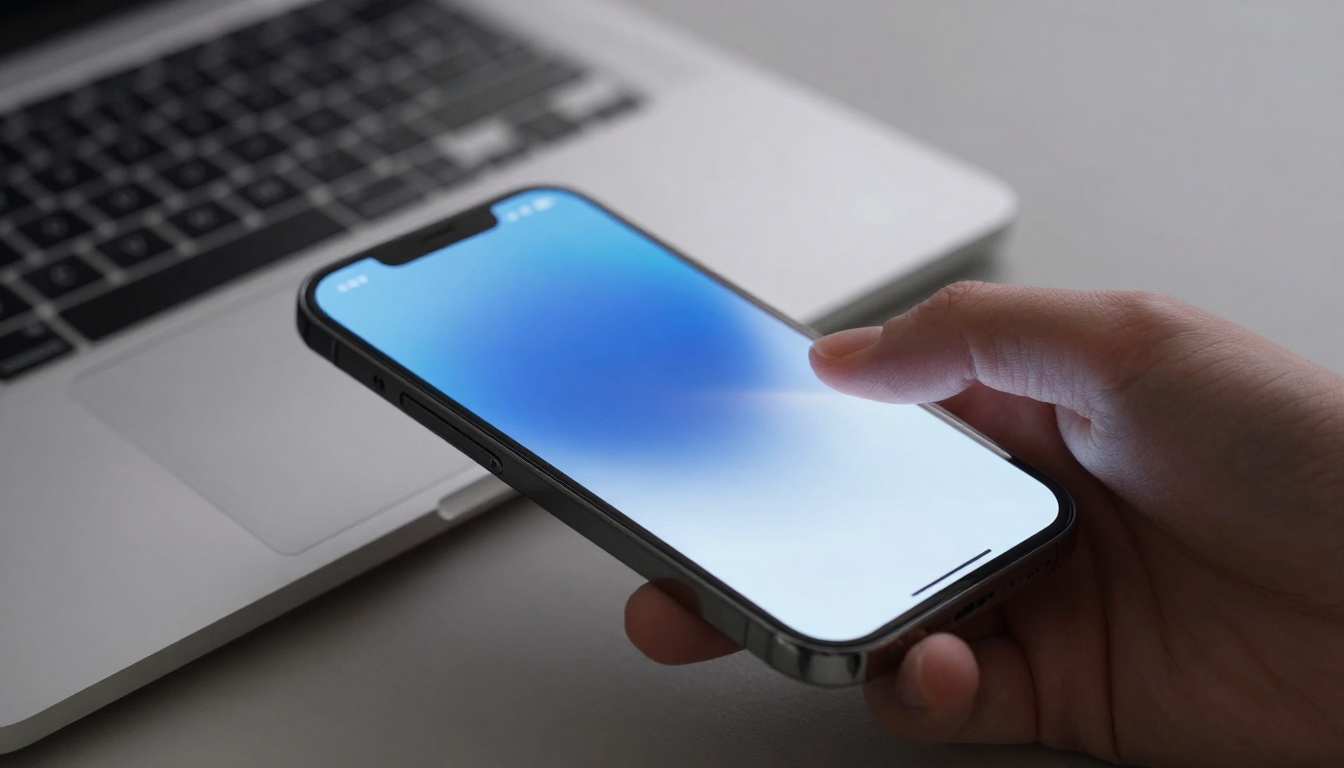
You tilt your phone mid-game, and it spins the view smooth as silk. A quick swipe unlocks apps before your finger lifts. Now picture your laptop trackpad: it stutters on a light brush, demands hard presses. Sensitive here means how devices pick up tiny touches, shakes, and gestures with speed and smarts. By January 2026, phones beat laptops hands down. They pack more sensors, sharper touch screens, clever vibrations, and AI brains that read your moves like a mate guesses your next pint.
This shift comes from phones built for pockets and palms, always on the go. Laptops sit on desks, so they skimp on finesse. Think auto screen rotation that nails your hold, or step counts from a jog. We’ll unpack the sensors, touch tricks, haptics, and AI making phones react faster and feel real. It ties into tech shifts we track on CurratedBrief, where mobile leads the pack.
The Hidden Sensors That Make Phones Feel Alive
Phones buzz with life because they cram in sensors laptops dream of. Modern handsets like the Galaxy S26 or iPhone 17 carry 15 to 20 of them. Laptops manage five to ten at best. These bits detect shakes to 0.01 degrees, light shifts, even air pressure. Your phone knows when you lift it to your ear, dims the screen in sun, or climbs stairs.
Daily wins stack up. Shake to undo a typo. Pocket it, and it stops playback. Laptops ignore such moves; they expect a mouse or keys.
Accelerometers, Gyroscopes, and Beyond
Accelerometers spot speed changes, like freefall for screen locks. Gyroscopes track spins for AR games where you dodge virtual foes by twisting your wrist. New LiDAR in premium phones maps rooms in centimetres for shopping apps that overlay furniture.
Barometers gauge altitude for floor counts in fitness trackers. Proximity sensors hush calls when held close. Ambient light tweaks brightness on the fly. Phones log this all day from your pocket. Imagine tilting for a panoramic photo; it adjusts edges perfect. Precision hits microns, far beyond laptop cams.
Why Laptops Lag Behind in Sensor Power
Laptops stick to basics: a webcam for face scans, keyboard taps, maybe a fingerprint reader. No need for tilt detection on a desk. Phones face wild motion, so they tune for it.
| Feature | Smartphones (2026) | Laptops (2026) |
|---|---|---|
| Sensor Count | 15-20 | 5-10 |
| Motion Precision | 0.01 degrees | Basic only |
| Daily Tracking | Full (steps, light) | None |
Phones win on numbers and accuracy. Your laptop won’t count jogs or dim for shadows.
Touchscreens and Haptics That Respond to Whispers
Touch screens on phones sense fingers at 0.1mm sharp, track ten points at once, refresh at 120Hz for buttery scrolls. Laptops’ trackpads cap at four or five points, feel mushy. Phones add hover detection; wave a finger 1cm away on iPhone 17, and menus pop.
Haptics seal the deal. Taptic Engines pulse like real clicks. Linear resonant actuators (LRAs) in Pixel 10 mimic button presses or sandpaper scrolls. It’s multi-layered: touch pairs with voice or air gestures via radar chips.
Feel a notification ripple like water. Swipe feels crisp, no lag. Laptops buzz dull from speakers.
Multi-Touch Magic and Hover Tricks
Capacitive screens read electric fields from your skin. Pinch to zoom grabs five fingers exact. High rates mean no blur in fast flicks. Hover lets you preview links without taps.
Compare to trackpads: they miss light grazes, force palm rejection hacks. Phones shine in rain or gloves with tweaks. For details on haptic tech growth in devices, check market shifts. Galaxy S26 nails edge swipes for one-hand use.
Vibrations That Mimic Real Buttons
Haptics fire in microseconds. Typing pulses per key, distinct from alerts. LRAs stretch and snap for texture feels, like ridges on a zip.
Laptops use cheap motors for flat vibes. Phones craft input joy: scroll waves pull your finger. The haptics market eyes USD 8.5 billion by 2030, phones lead. It turns flat glass into a tactile mate.
AI and Tiny Chips Turning Phones into Mind Readers
Snapdragon 8 Gen 5 chips crunch sensor data five times faster than last year. On-device AI predicts your swipe, steadies shaky photos, sharpens face unlocks in dark. iOS 20 reads stylus pressure like paper. Laptops ping clouds, add delay.
Phones pack 12GB RAM, match laptop grunt but squeeze in pocket smarts. Foldables keep full sensor suites. Realtime scans show AI edges in stabilisation, no touch leaps yet.
Blazing Fast Processing in Your Pocket
Chips shrank but speed up. They fuse sensor feeds real-time: gyro data tweaks touch mid-game. 12GB handles multi-task without stutters.
Laptops throttle on battery. Phones sip power, react instant. January 2026 launches pack edge AI for quick tasks, beating cloud waits.
Smart AI That Guesses Your Next Tap
AI spots fat-finger typos, suggests fixes. Low-light unlocks scan irises fast. Galaxy AI blends haptics with predictions: pulse warns of edge slips.
Laptops lag on local crunch. Phones learn your grip, adapt. It’s like a mind that knows your thumb habits.
Phones rule sensitivity with sensor hordes, touch finesse, haptic tricks, and AI wits. By 2026, foldables push further: slimmer LiDAR, smarter pulses. Next time you pocket your handset, feel it hum alive. Laptops chase, but mobiles own the edge.
Spot the difference on your daily scroll. Check CurratedBrief for tech briefs on AI phones. What’s your phone’s best trick? Share below. Mobile senses shape our world; grab yours and test.