
Listen to this post: Digital Surveillance vs Privacy: Democracies Crossing Lines
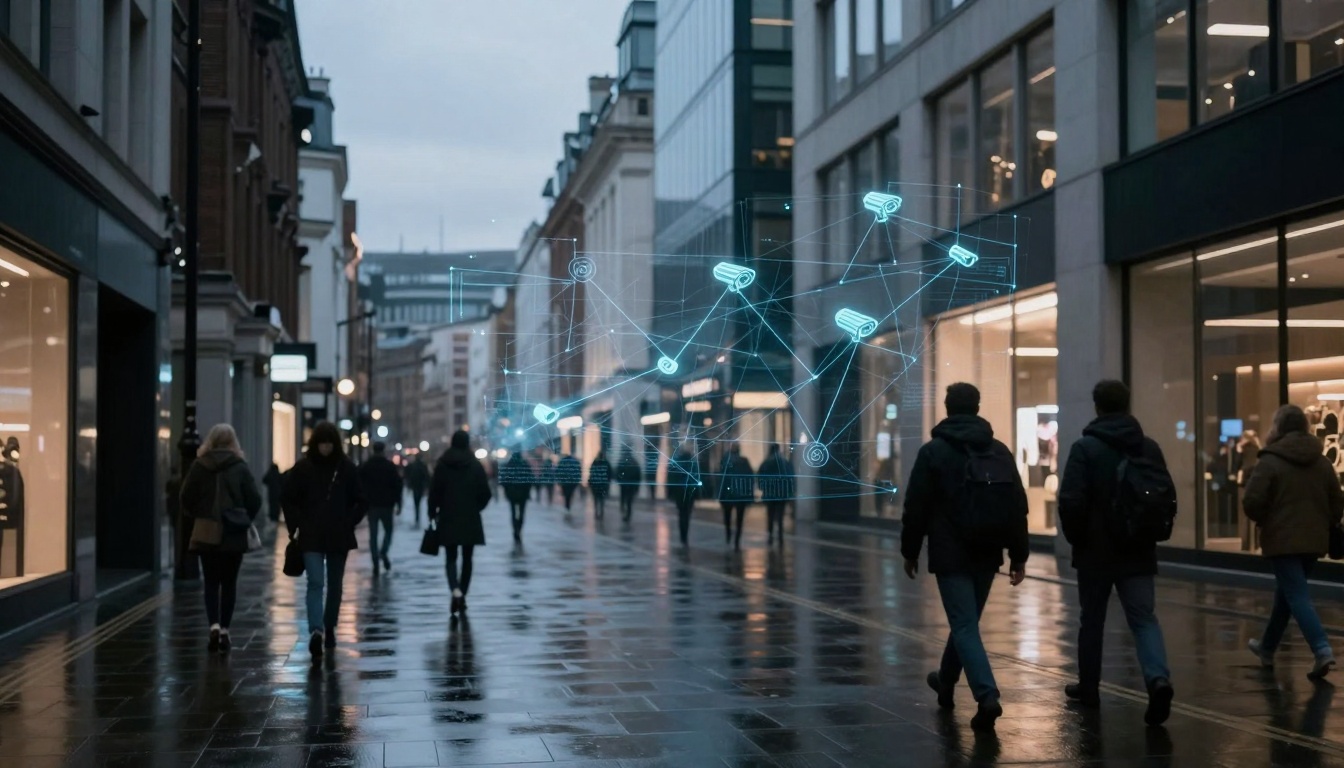
Picture this: you walk down a busy London street, phone in pocket. It tracks your steps, your stops at shops, even your glances at billboards. No consent asked. Governments promise this keeps us safe from crime and terror. Yet in places like the UK, US, EU, Australia, and Canada, these tools chip away at personal privacy. Safety comes at a cost we rarely see.
Democracies face a quiet clash. Tech firms and states build vast data webs for protection. But lines blur. People lose control over their lives. CurratedBrief tracks these shifts in tech and politics news, from AI rules to global rights fights. This post maps how surveillance grew in free societies. It covers fresh 2025-2026 warnings from UN reports and Freedom House. Then it shows harms to freedoms. Finally, it points to fixes.
The thesis stands clear: democracies risk their core values if they let digital eyes watch unchecked. Free speech, fair trials, open protests, all hang in balance. Readers, stay sharp. Your data fuels this machine.
How Surveillance Tech Took Hold in Free Societies
Free nations built surveillance step by step. It started with crime busts and terror stops. Now AI facial recognition scans crowds. Geolocation pings follow phones block by block. Web traffic tools sift posts for risks. Smart cities stack data from cameras, sensors, and apps. The UK’s Investigatory Powers Act from 2016 opened doors. It let officials tap cables and hack devices. The EU’s AI Act, enforced since 2024, sets rules but allows high-risk uses by police.
Growth sped up. A 2025 UN report flags non-transparent systems. These tie data to race or gender without checks. Tools began narrow. Police used them for fugitives. Then they spread to borders, streets, events. Publics noticed late. Ads sold safety. Few grasped the full reach.
Take protests. Cameras now map faces in real time. Phones reveal who stands where. This shift feels normal now. But it roots in laws that grew quiet. Democracies sold it as must-have defence. Costs hid in shadows.
Facial Recognition and Movement Tracking in Action
AI spots faces in seconds amid football crowds or marches. It matches them to watch lists. Phones ping towers to track paths home. UN warnings hit hard on behaviour guesses from this data. In the UK, trials at ports flagged innocents. US cities like New Orleans tested it on streets. Rules lack teeth. Secret deploys happen. Protests turn watched zones. One London demo saw scans log 10,000 faces. No warrants needed. Paths traced back to homes. Chills follow.
Social Media Scans for ‘Threats’
Canada and Australia scan posts for lies or plots. Tools flag words on elections or health. Freedom House’s 2025 report notes drops in online rights. Governments watch for unrest. Elections draw extra eyes. Posts on policy spark probes. Fears mount. Voices quiet before votes.
Fresh Warnings: 2025-2026 Alarms from UN and Watchdogs
Alarms rang loud in late 2025. A UN report on 18 September, led by Peggy Hicks at the UN High Commissioner for Human Rights, slammed smart cities. These hubs grab data floods from lights to bins. Good for traffic, bad without oversight. It risks repression. States and firms build without brakes. AI predicts moves from biased inputs. Race or gender proxies flag folks unfair.
The report pushes audits and clear AI choices. Private tech drives it, states must curb. No big scandals hit headlines. Patterns show in law tweaks. EU probes facial tools. UK eyes bulk data grabs. Australia tests social scans. Canada weighs post rules.
Freedom House dropped its Freedom on the Net 2025 in November. Global net freedom fell 15 years straight. Democracies slip too. 28 of 72 nations dropped scores. UK hit 76/100, down a bit. US at 73/100. Shutdowns, spies, blocks rise. Autocrats push, but free lands copy tricks.
Data triples by 2026 flows. Algorithms fan hate, dent trust. UN’s Global Digital Compact eyes safe nets. Yet gaps yawn between rich poor states. US bucks global reins. Watchdogs call it illiberal drift. Public grumbles grow. Polls show eight in ten worry on spies. 2026 elections loom with AI votes in play.
What We Lose: Privacy Hits and Freedom Chills
Losses cut deep. People change habits from fear. Biased tech hits groups hard. Trust cracks in systems key to democracy. Imagine skipping a pub chat on politics. Or dodging a rally. Daily picks shift. Human rights clash security claims. Cores like free assembly wobble.
Protests shrink. Votes feel watched. Firms hoard data, sell to states. Chills spread. One feels eyes on every post, step, scan.
Biases and Wrong Targets
Data links to skin tone or names. UN calls it proxy harm. Black or female faces flag more. No audits fix it. Wrong stops waste lives, breed hate.
Self-Censorship in Daily Life
Fear mutes mouths. Social posts stay bland. Street talks drop. Protest cams scare off crowds. Voices fade quiet.
Finding Balance: Rules, Pushback, and Next Steps
Fixes start with open books. Laws demand data logs public. Independent boards check AI. Global pacts set floors. EU leads with bans on real-time faces. UK courts push warrants.
Pushback builds. Groups build block tools. Users tweak apps for locks. 2026 votes test it. Pick privacy hawks. Fight China-style nets. Hope lies in action. Urgency bites.
Conclusion
Surveillance tools grew from crime aids to daily watches. UN and Freedom House flag 2025 slips in UK, US, EU, Australia, Canada. Biases harm, fears silence. Democracies court their own chains.
Yet balance waits. Check your phone settings today. Back strong privacy laws. Follow CurratedBrief for tech politics briefs. Picture streets alive with free steps, posts bold. Reclaim control. Free societies thrive when eyes stay ours. What step will you take?