

Listen to this post: Inflation, Interest Rates, and Everyday Life: 2025 Shocks Flow into 2026
Picture a family in late 2025, pushing a trolley through the supermarket aisles. Bread costs 10p more per loaf, milk jumps another 5p a litre. The news buzzes about cooling inflation, yet the weekly shop stings the pocket. Shocks like US tariffs and a global growth slowdown kept prices at 4.2% worldwide, with the US at 2.7%, Eurozone dipping below 2%, and UK at 3.2% in November.
Central banks responded. The Fed, ECB, and BoE trimmed interest rates, but caution ruled amid trade tensions. These moves flowed into everyday costs: groceries up 2.6%, housing squeezed, savings returns fading. As we hit January 2026, inflation eyes 3-3.7%, with more easing possible. This piece traces the path from 2025 pain to 2026 hope, and what it means for your budget.
2025’s Key Shocks: Inflation Trends and Rate Cuts
The year brought uneven relief. Global inflation fell to 4.2%, but shocks like US tariffs on imports pushed core measures to 3.4%. Growth slowed to 3.2%, muting price drops in some spots while basics stayed firm.
Central banks cut rates in steps. The Fed eased amid steady 2.7% inflation. ECB and BoE followed, yet paused mid-year as tariffs bit. Families felt the lag in shops and bills.
Why Inflation Cooled Unevenly Around the World
Regions told different stories. In the US, CPI hit 2.68% by December, with food up 2.6% from supply glitches. Eurozone landed at 2.1% in November, 2.0% preliminary December, thanks to softer wages and energy falls.
UK stuck higher at 3.2% CPI in November, core at 3.2%, services at 4.4%. Emerging markets hovered near 5.3%, hit by tariffs that first dulled gains then spiked costs later. Basics like bread felt sticky; energy eased but not enough for full comfort. Check the Office for Budget Responsibility’s November 2025 outlook for UK details.
Central Banks’ Careful Steps on Interest Rates
Banks moved with care. The Fed cut as inflation held at 2.7%, eyeing jobs data. ECB reached neutral stance by late year, with Eurozone at target midpoint. BoE trimmed too, but UK services inflation curbed pace.
Second-half pauses came from US trade pressures. A policymaker noted falling inflation paves way for more cuts, per recent Bank comments. No wild swings; focus stayed on stability over speed.
Real-Life Hits to Your Wallet and Home
Did your grocery bill creep up last year? 2025 shocks turned abstract numbers real. Food prices rose from tariff ripples and energy wobbles. Housing costs lingered high early, eased late. Savings lost shine as rates dropped, outrun by inflation.
Borrowers caught a break with cheaper loans by year-end. Yet the net felt tight for most. Think of that extra £10 weekly on basics, stacking to hundreds yearly.
Groceries and Housing: Where Prices Bit Hardest
Food took the brunt. US saw 2.6% rise; global staples like bread and milk followed as tariffs hiked import costs and energy fed through. A UK family might pay 5-10% more for veg after weather and trade hits.
Housing stung too. High rates early pushed rents and mortgages skyward in CPI baskets. US shelter inflation topped charts; UK rents climbed despite cuts. Later easing brought small relief, like a 0.5% drop in some mortgage offers. Imagine juggling that with rising energy bills.
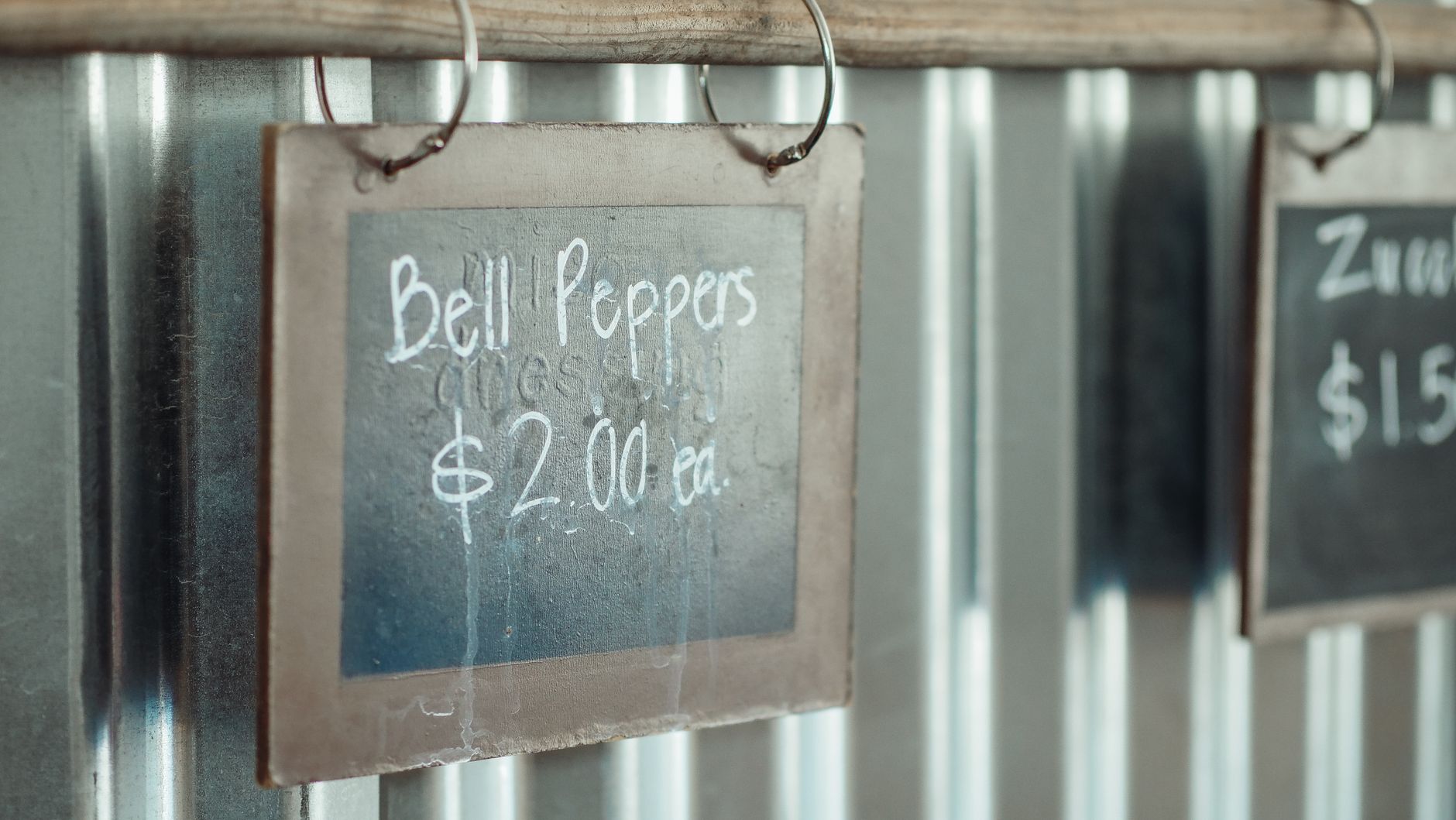
Photo by Kindel Media
Savings, Loans, and What It Meant for Your Money
Savings yields slid under 4% with cuts, while 2.7-4.2% inflation ate real value. A £10,000 pot at 3.5% earned less after tax than prices rose. Retirees watched pots shrink in power.
Loans brightened late. Mortgages and car finance dipped, saving hundreds monthly for variable payers. Businesses refinanced too. Balance tilted: savers hurt, debtors helped. Many switched to fixed deals mid-year, locking gains before full drops.
Looking Ahead to 2026: Easing Pressures on the Horizon
Forecasts point milder. Global inflation nears 3-3.7%, US risks up from tariffs, Eurozone and UK at 1.8-2.1%. Growth ticks to 3.1%, soft but steady. Banks eye more cuts if targets hold.
UK outlooks see inflation below 3% by spring, one MPC trim likely amid pressures, per RSM’s economic view. Watch protectionism; it could nudge prices. Stay alert: optimism tempers with caution.
Conclusion
2025’s shocks, from tariffs to slowdowns, cooled inflation to 4.2% global but hit wallets hard on groceries, housing, and savings. Rate cuts offered late relief, setting a softer 2026 path with 3-3.7% prices and easing ahead.
Track your budget, grab fixed savings now, refinance loans smartly. Better days loom with steady cuts. Sign up for CurratedBrief newsletters to catch updates on finance shifts. You’ve got this; small steps build security.