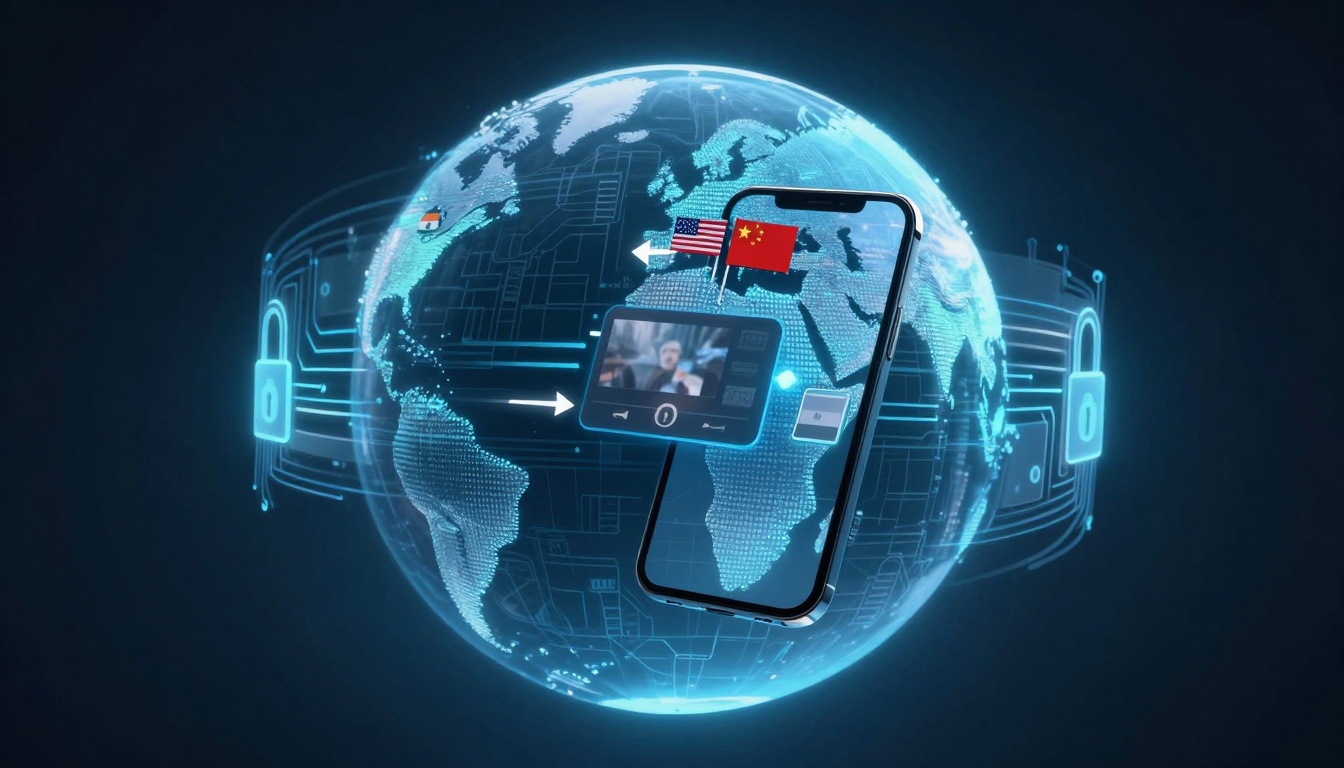

Listen to this post: From TikTok Bans to Data Localisation: The Geopolitics of Social Media
Picture this: millions scroll short videos on TikTok, unaware their fun feeds fuel a global showdown. In the US, a full ban loomed close in early 2026, only dodged by a last-minute sale deal. India wiped the app off phones years ago. Other nations eye government phones with suspicion. These moves stem from deep fears over data grabs and foreign sway. Social media apps now sit smack in the middle of power struggles between countries.
It’s January 2026, and TikTok’s saga grabs headlines. Nations clash over who controls user info, from likes to locations. Spy worries mix with content fights. This post breaks it down: outright bans and their backstories, data localisation rules that keep info at home, and the US-China tug-of-war turning apps into weapons. You’ll see patterns in these battles and spot what’s next for your feed.
Why Countries Keep Banning TikTok and What Happened in Each Place
Nations act fast when they smell risks from apps owned abroad. TikTok, run by China’s ByteDance, tops the list. Fears centre on data leaks to Beijing and dodgy videos pushing hate or lies. By 2026, bans hit hard in spots, while others limit official use. Each case ties to local tensions, like border rows or spy scares. Leaders paint apps as threats to paint a picture of control.
Take India: a clash with China sparked the block. Users lost 200 million accounts overnight. Patterns emerge worldwide, blending security with politics.
Full Bans That Locked Out Millions
India led the pack in June 2020. Troops died in Himalayan clashes with China. Lawmakers yanked TikTok and 58 other Chinese apps, citing data risks. Over 200 million users switched to rivals like Instagram Reels. No comeback yet. TikTok banned countries list for 2026 tracks these shifts.
Afghanistan followed under Taliban rule in 2022. They called it immoral, blocking it alongside music apps. Somalia joined in 2023 over moral decay claims. Even China swaps it for Douyin, a local twin with tight controls. These full wipes cut off millions, forcing black markets or VPN hunts. Users feel the pinch; creators lose cash.
Government Gadgets Get the Chop First
Smarter moves target official kit. The UK banned TikTok from government phones in 2023 after grilling ByteDance on data flows. Civil servants keep personal access, but secrets stay safe.
Australia did the same that year, fearing hacks from China ties. EU bodies, including the Commission, followed suit in 2023. NATO allies like Estonia and New Zealand joined. Euronews rundown on TikTok bans notes these steps protect state info without killing public fun. It’s a soft start to tougher curbs.
Nepal flirted with a ban in 2023 but backed off; the app thrives there now.
The US Twist: A Deal Instead of Doom
The US played different. A 2024 law forced ByteDance to sell or face a ban by January 19, 2025. Trump pushed extensions. In late 2025, TikTok struck a deal: US investors buy operations into “TikTok USDS Joint Venture LLC”. Oracle guards data and audits the algorithm. ByteDance holds 19.9% but can’t touch US users. China must approve by January 22, 2026. US ban extension details show 170 million users stay online. A narrow escape.
Data Localisation: Why Nations Demand Home Storage for Your Posts
Data localisation forces apps to store user info inside borders. Think of your posts, likes, and scrolls as national gold. Countries want it close to block spies and speed probes. Social media feels the heat most. TikTok stores US data stateside now, but rules vary. Benefits? Faster access for cops, less leak risk. Downsides hit users with slower apps and firms with fat server bills.
| Country/Region | Key Rule | Social Media Impact |
|---|---|---|
| EU (GDPR) | Strict transfers; adequacy checks | Apps mirror data locally or use safeguards |
| China (PIPL) | All personal data stays in-country | Full local servers; no exports without nod |
| US | No blanket rule; blocks to China | State laws push kid data local; Oracle handles TikTok |
| India (DPDPA) | Consent-based; possible mandates | Drafts eye local storage for key data |
| Brazil (LGPD) | Light touch; transfers okay with rules | Flexible, but probes grow |
This table shows the patchwork. Nations guard data like forts.
How Big Players Like EU and China Lead the Charge
The EU’s GDPR demands data stays safe, even across borders. Tools like standard clauses let flows continue, but locals store copies. TikTok faced €345 million fines for kid slips but runs on.
China locks it tight with PIPL. All data processes inside unless approved. WeChat and Douyin obey; foreigners build local clouds. It’s a wall against outsiders. GDPR countries guide spells EU reach.
Users gain privacy shields but lose global speed.
US, India, Brazil: Patchy Rules with Growing Bite
The US skips full localisation but bars China sends. States like California eye kid data stays. TikTok’s Oracle pivot fits.
India’s DPDPA stresses consent; drafts push local holds for payments or probes. India data rules update flags the blacklist approach.
Brazil’s LGPD allows flows with safeguards. Flexible for now, but fines bite. Social apps adapt or pay.
US-China Rivalry Turns Social Apps into Battlefields
TikTok mirrors bigger fights. US lawmakers fear ByteDance algorithms push propaganda or spy via code. China cries bully, tying it to chip curbs and trade hits. In 2025, Washington blacklisted more firms; Beijing hit back on rare earths.
Recall Trump’s first ban try in 2020. Biden paused it. Now, the deal splits TikTok: US ops local, algorithm leased. Stanford piece on TikTok geopolitics calls it allegory for tech splits.
Firms scramble. Meta cheers rivals’ pain. Politicos score points: ban talk wins votes. Will this balkanise the web? Feeds split by flags. Users pick sides or VPNs. Stories abound: a senator demos TikTok bans on live TV; creators flee to YouTube Shorts.
Power shifts to locals. India boosts home apps. EU eyes its own networks. Watch chips and AI next.
Wrapping the Feeds: A Split Net Ahead
Bans from India to US deals show data as the new oil. Localisation rules lock it down. US-China clashes make apps pawns. Yet users win safer scrolls and choice.
More rows loom, but deals like Oracle’s prove paths exist. Keep eyes on your feed; it shapes borders. Try local apps or tweak privacy. What’s your take on TikTok’s fate?
(Word count: 1492)