
Listen to this post: Politics of Loss and Damage Funds After Recent Climate Summits
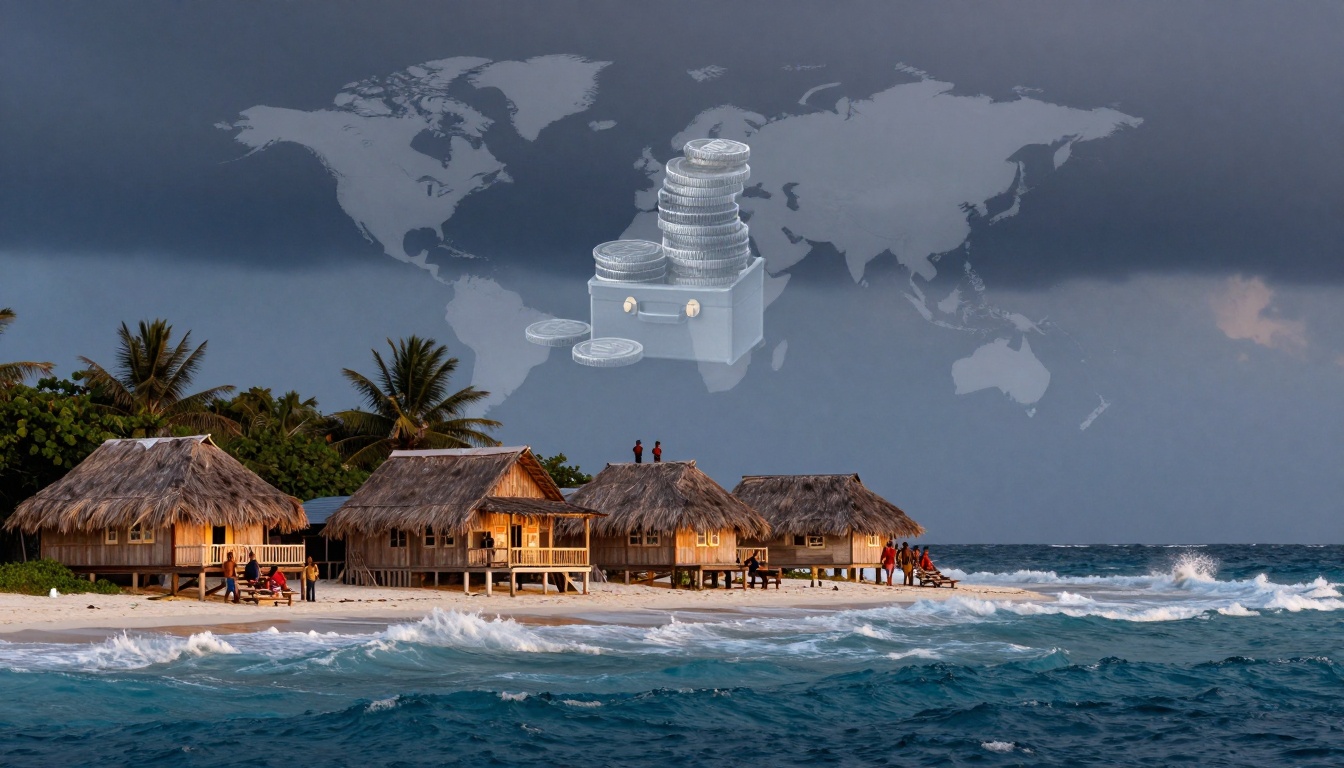
Waves crash over a tiny Pacific island as Hurricane Eta tears through homes made of wood and thatch. Families cling to rooftops while salt water floods their fields. This scene plays out too often for nations like Kiribati or Tuvalu. They face rising seas and fiercer storms, yet they pump out little carbon. Loss and damage funds aim to fix this. Rich countries set aside cash to help poorer ones rebuild from climate disasters they barely caused.
The idea took root at COP27 in Egypt back in 2022. Leaders agreed to create the Fund for Responding to Loss and Damage, or FRLD. But the path stayed bumpy. COP28 in Dubai put it under the World Bank’s wing and saw early pledges. COP29 in Baku pushed it live. COP30 in Brazil’s Belém last November brought small steps, like Spain’s extra cash. Now, in January 2026, the fund runs but feels puny. Total pledges hit $817 million. Only $321 million sits in the bank.
Politics drive the drama. Rich nations like the US and EU guard their wallets. Poor countries demand billions. Small islands push hardest, as seas swallow their land. The fund starts with $250 million in grants for 2026. That’s peanuts next to the $400 billion experts say poor nations need each year. Can this fund deliver real help, or will it drown in disputes?
Key Wins and Stumbles from COP28 to COP30
COP28 kicked off with promise. Leaders in Dubai housed the fund at the World Bank. This gave it quick cash flow and legal muscle. Pledges poured in fast, topping $700 million by the end. But cracks showed. Developing nations wanted their own host, not a rich-country bank. Still, the board formed with 12 developing and 12 developed members.
COP29 in Baku sealed the deal. Delegates made the fund operational. They set rules for grants only, no forced loans. Half the money must flow to small island states and least developed countries. The board got a secretariat in Geneva. Tension rose over who pays most. Rich nations pledged more, but words outpaced wallets.
COP30 in Belém tested grit. Brazil hosted amid floods at home. No flood of new cash came. Spain pledged €100 million extra. Total pledges climbed to $768-817 million. Yet only $321 million got paid. The board approved a “State of Loss and Damage Report” to track needs. Loss and Damage Collaboration’s COP30 recap notes protests by Indigenous groups, blocking gates for faster aid. Wins felt small against unmet hopes.
The fund now eyes 2026 grants. Early cash targets big disasters like storms or droughts. Nations submit plans. Board approves based on real damage.
How the First Grants Will Work
Picture a village in Bangladesh under waist-deep floodwater. Roofs float away. The pilot phase helps here. Countries craft national plans for major hits, not tiny fixes yet.
Grants range $5-20 million each. They pair with the Green Climate Fund. Nations can blend in loans if they choose. The board sets full rules by mid-2026. First payouts roll out early that year, for one to two years of work.
Half goes to small islands and poor states. Cash builds on “commitment authority,” real money after fees. This tests the pipes before scaling up.
Pledges Fall Short: The Funding Gap Exposed
Pledges sound big at $817 million. Signed deals cover $495 million. Paid cash? Just $321 million. That’s the stark truth in January 2026. Early buzz at COP27 hit $420 million. It grew to $661 million by 2024. The US ditched its $3 billion promise in early 2025, a body blow.
Needs dwarf this. Experts peg $400 billion a year for developing countries. By 2030, that jumps to $580 billion. Storms, floods, and dry spells rack up bills fast. One bad hurricane can cost billions in one nation alone.
Only Spain added at COP30. The secretariat now chases more donors. Wall Street hosts the trust fund. But experts call current sums a drop in the ocean. Carbon Brief’s COP30 outcomes highlights stalled finance talks. Poor nations eye old pots like adaptation funds, but those pay slow, often over a year late.
Why so tiny? Rich countries cite budgets. Developing ones point to unpaid promises. The gap leaves villages exposed. A single drought in Africa wipes farms. No cash means hunger lingers.
Clash of Nations: Rich vs Poor on Who Pays and How
Talks turn tense in halls from Dubai to Belém. Rich nations push control. They want “partnerships” with private cash. The EU and Japan stress blended finance, loans from banks. Developing countries balk. They seek grants, pure and simple, with no strings.
Scale divides deepest. Poor nations crave firm pledges, like 1.3 trillion by 2030. Rich ones dodge targets. No clear loss and damage definition slows aid. Is it just storms, or sea rise too? Africa and islands say yes to both. They need cash now for eroding coasts.
Activists slam delays. In Baku, fists banged tables over board seats. Belém saw Indigenous blockades. UN News on COP30 finance covers the fossil fuel pledges amid loss fights. Rich stress past aid counts. Poor say climate harm needs fresh money.
Both sides hold ground. Developed nations fear open taps. Vulnerable ones face daily threats. Floods in Pakistan killed thousands in 2022. Rebuilds stall without funds. Private money sounds good, but islands can’t borrow against sinking land.
Criticisms from All Sides
Poor nations yell for billions now. Grants stay too small, they say. Rich countries resist huge bills. They push private firms, but critics call it greenwashing.
NGOs hit the private sector tilt. It risks debt traps. The fund’s taboo status irked at COP30. Took 30 years to birth; now it crawls. US pullout stung hard. All want speed, but paths clash.
Road Ahead: Can the Fund Grow Big Enough?
The 2026 pilot holds hope. $250 million tests grants on real disasters. Success could lure donors. Board sets tough criteria: proof of need, quick spend.
Secretariat plans a big drive by late 2025. First refill eyes 2026 end. World Bank aids flow. But stagnant pledges worry. Vulnerable nations wait as seas rise.
Tie this to global shifts. Watch finance at future COPs. Pilot wins build trust. Failures fuel fights. Poor countries need billions to stand firm.
Conclusion
Loss and damage funds mark progress amid endless rows. From COP27 birth to COP30 tweaks, rich and poor clash over cash and control. Pledges inch up, but $321 million paid falls short of cries for $400 billion yearly.
Vulnerable spots like Pacific atolls hang in balance. Fair funds could rebuild lives, shore up coasts. Keep eyes on board moves and COP talks. Share this post. Follow CurratedBrief for fresh updates on climate finance rows.
What if one big donor steps up? Hope flickers as 2026 grants launch. Push leaders for real scale.