
Listen to this post: Everyday Resilience: How Communities Survive When Institutions Fail
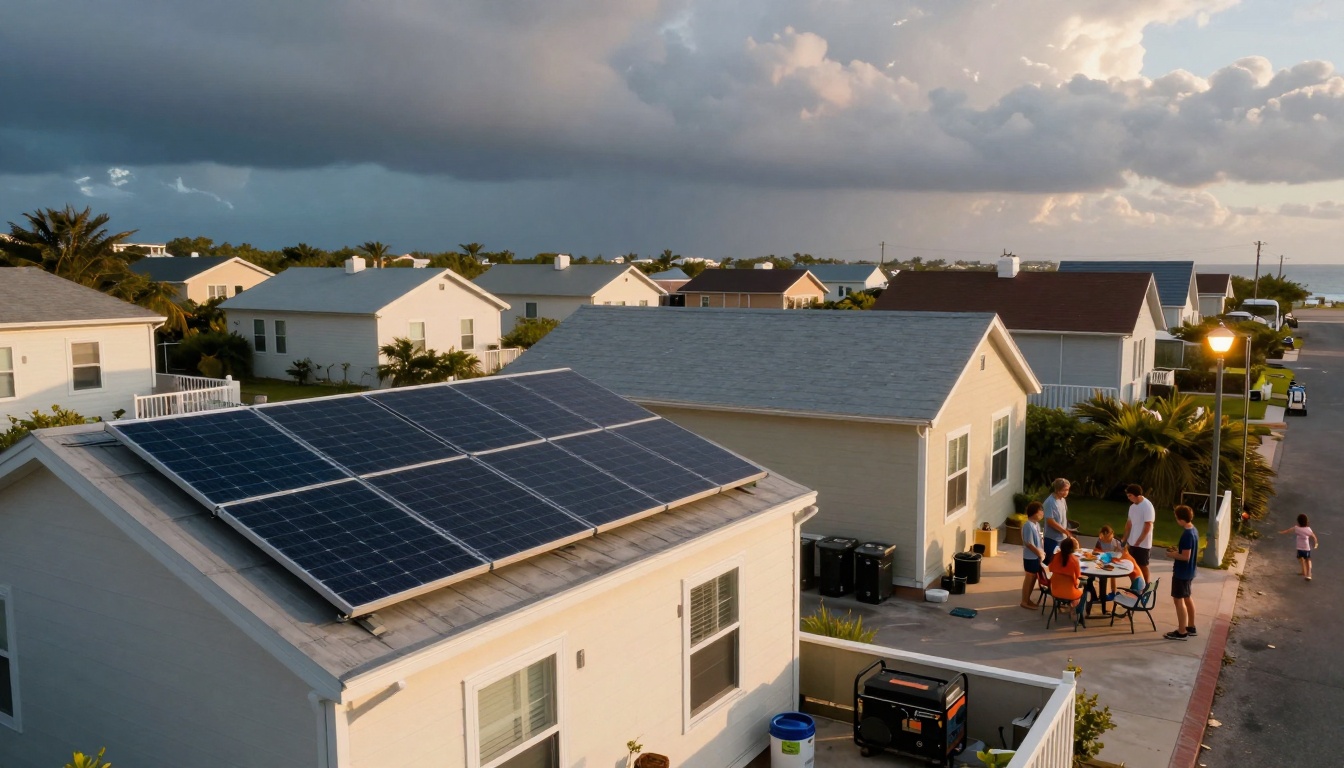
Picture this: Hurricane Ian slams into Florida in 2022. Winds rip roofs off houses. Power grids collapse across the state. Weeks pass with no lights, no fridges humming, no official help in sight. Yet in Babcock Ranch, a small town stays powered. Solar panels and batteries keep homes lit. Neighbours share meals cooked on generators. Kids play under streetlights while others sit in the dark miles away.
This isn’t luck. It’s everyday resilience. When councils, governments, or big services buckle under pressure, ordinary people in streets and villages step in. They form aid groups, fix local problems, and keep life going. In 2026, with floods hitting England hard, NHS queues growing, and bills biting deep, these stories matter more than ever. Cost crises strain budgets. Storms grow fiercer. Service cuts leave gaps.
This piece looks at why big systems fail in tough times. It shares real tales from the US and UK where locals took charge. Then it offers steps you can take right now in your own patch.
Why Institutions Often Fall Short in Crises
Big organisations promise safety nets. But crises expose cracks. Governments move slow. Councils run low on cash. Power firms can’t keep up. People wait for aid that never comes.
Take floods in Southwest Virginia from 2021 to 2024. Homes washed away. No federal money reached homeowners. Locals cleared mud themselves. In the UK, councils like Birmingham and Nottingham went bust by 2023. They cut street repairs and home care. NHS waits hit record highs during cost squeezes. People skip meals to pay energy bills.
Reasons stack up. Bureaucracy ties hands. Forms pile up while water rises. Underfunding starves services. One storm overloads teams meant for routine jobs. Refugee waves or pandemics stretch resources thin. In England, flood defences got £4.2 billion, but cash spreads uneven. Rural spots miss out.
These failures hurt. Shops close. Roads stay blocked. The sick go unseen. Yet they open doors. Neighbours spot needs first. They act fast with what they have. You can learn to see these weak spots early. Spot them, and your street stays ahead.
Lessons from Natural Disasters and Economic Hits
Storms and slumps trigger the worst breakdowns. Hurricane Ian in 2022 blacked out Florida for weeks. UK floods in Sheffield 2019 and beyond swamped homes. Virginia saw repeats through 2024. Pandemics left NHS backlogs. Recessions cut council funds.
Institutions lag. Aid trucks idle at borders. Insurance firms deny claims. For details on UK flood risks and public views, check the British Red Cross report on vulnerability. From 2023 to 2026, stretched budgets meant uneven defences. Surface water floods rose without full plans.
Real Stories of Neighbourhoods Taking Charge
Imagine your road after a storm. No power. No shops open. But doors stay unlocked. Food passes hand to hand. Someone fixes the pump. That’s what happened in places like Babcock Ranch. Locals didn’t wait. They built systems that outlasted the chaos.
In New Orleans, churches turned into hubs after floods. They handed out water, checked on the old, and ran clinics. Minneapolis set up microgrids in tough areas. Poor streets got lights when the city grid failed. These spots show people fill voids quicker than any office.
UK tales match. Manchester groups aided Ukrainian and Afghan families when migration overwhelmed services. Coventry teams bridged NHS gaps with pop-up checks. Sheffield planted green spaces to slow flood water. Actions like neighbour calls and shared pantries kept spirits up.
Recent data backs this. In 2024, Hurricanes Helene and Milton hit the US Southeast. Power failed for weeks. Neighbours cleared paths and shared generators. Federal aid lagged. In England, the wettest winter since 1836 brought floods. Rural groups formed partnerships to fight back.
US Towns Powered by People and Solar
Babcock Ranch stands out. Its solar microgrid held firm in Ian. By 2026, it powers thousands without blackouts. The town sheltered 200 during the storm. No one lost power.
Virginia launched flood warning pilots in 2024 with $1 million. Locals mapped risks themselves after no aid came. Minneapolis hubs in low-income zones run on community solar. They provide heat and charge points when grids drop. These setups prove small scales work best.
UK Groups Battling Floods and Service Cuts
Manchester’s networks housed refugees fast. They shared jobs and English classes amid strains. Sheffield’s Grey to Green scheme cut flood risks with parks and ponds. Water drains slower now.
Coventry formed teams for the cost crisis. They ran food banks and bill advice when councils cut back. The Rural Flood Resilience Partnership started in 2024. Farmers and villages work on data and defences till 2026. These efforts beat slow official plans.
Simple Steps to Strengthen Your Local Area
You don’t need big money. Start where you stand. Form groups with those nearby. Pool skills and tools. Build plans that fit your street.
Mutual aid shines first. Check on the lone elderly. Share spare food. Run skill swaps. Churches or halls make great hubs. Stock them with basics. Train for first aid.
Solar kits power fridges. Batteries store daytime sun. Green fixes like rain gardens hold flood water. Link with farms for fresh veg. Map your risks: high ground, weak walls.
Equity matters. Help the renters, the jobless. Include them in plans. Kansas City aims for full community goals like this. UK forums push similar ideas.
Act now. One chat over tea sparks change.
Start Small with Mutual Aid Networks
Knock on doors. Ask needs. Set weekly check-ins like Manchester did. List skills: plumber here, baker there. During NHS delays, these nets deliver meds and rides.
Benefits last. Trust grows. Food shares cut waste. In crises, you know who needs help first. No forms. Just action.
Invest in Local Fixes Like Solar and Green Spaces
Copy Babcock. Buy shared solar panels for the group. Charge phones, run lights. Grants help starters.
Sheffield shows green works. Plant trees and ponds. Slow rain run-off. Costs little, saves homes. Community funds cover seeds and tools. Your patch turns tough.
The UK Government Resilience Action Plan outlines broader steps, but locals lead.
Communities beat institutions with hands-on effort. They spot trouble close up. They share what they have. Babcock Ranch lit the way after Ian. UK villages fight floods with partnerships. You see the pattern.
Join a group near you. Or start one this week. Chat with neighbours over coffee. Map your risks. Stock a shared kit. In 2026, stronger streets mean safer lives for all.
These steps build hope. Picture your town standing tall next storm. That’s the power of people together. What will your street do first?