
Listen to this post: Climate, Air Quality and Respiratory Health: A Slow-Burn Global Emergency
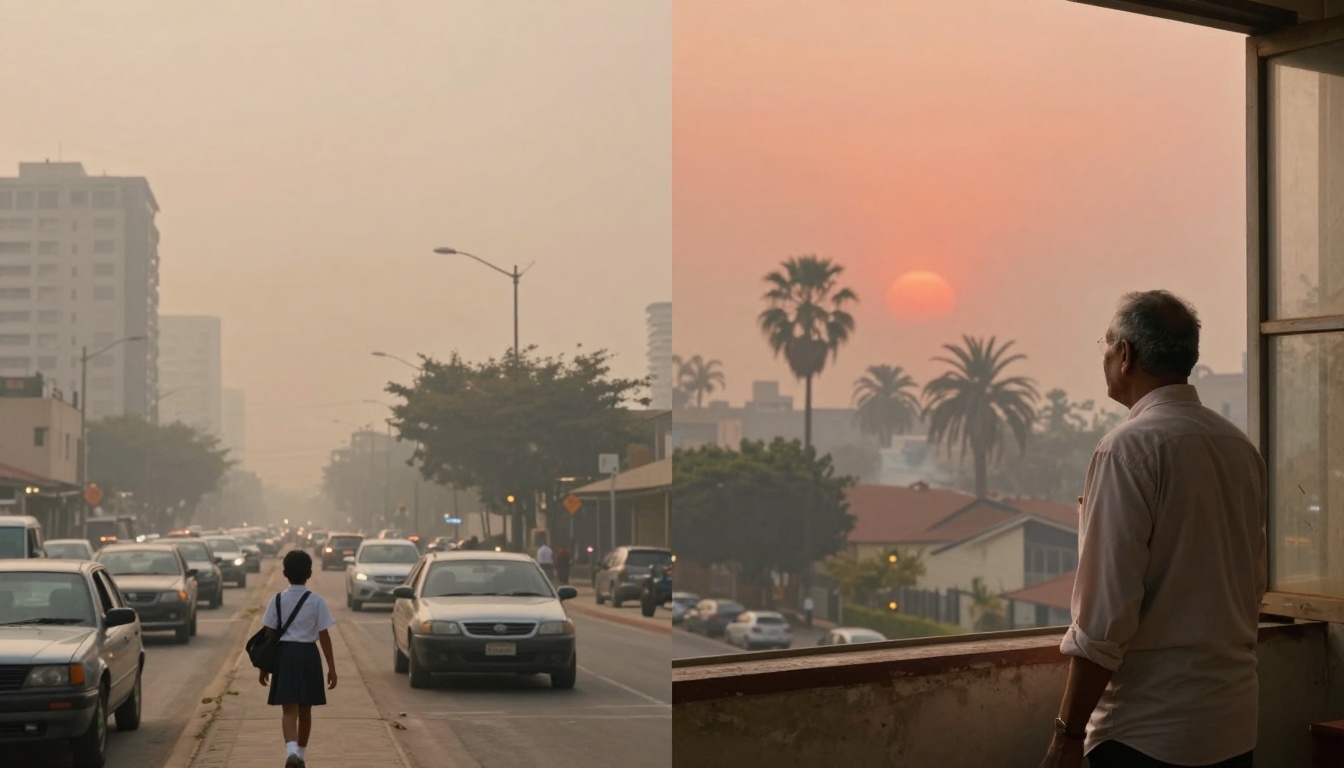
Picture a child in Delhi coughing through thick smog on the way to school. Or an elderly man in Los Angeles who skips his daily walk because wildfire smoke stings his eyes and tightens his chest. These scenes play out daily across the world. In 2023, air pollution led to 7.9 million deaths, about one in eight global deaths, according to the State of Global Air 2025 report. Most stemmed from lung conditions like COPD, asthma, and infections.
This forms a slow-burn emergency. Climate change fans the flames. Heat waves trap pollutants. Wildfires spew smoke over continents. Pollen seasons stretch longer under higher CO2 levels. The result? A vicious cycle that clogs airways and sparks disease everywhere. This post uncovers those links. It highlights groups at greatest risk. And it offers steps you can take today. Pay attention. Your next breath depends on it.
The everyday poisons filling our lungs and sparking disease
Air carries invisible killers straight to your lungs. Fine particles called PM2.5 burrow deep, smaller than a hair’s width. They swell tissues and invite infections. Ground-level ozone, formed when sunlight cooks vehicle fumes, burns airways like acid. Then there’s smoke from wood stoves or open fires. It chokes homes, especially in poor areas. These poisons spark coughing fits, wheezing, and rushed hospital visits.
In 2023, pollution tied to 14% of deaths from COPD and lower lung infections. Ozone alone caused over 489,000 deaths in 2021, including 14,000 COPD cases in the US. The American Lung Association’s State of the Air 2025 warns 156 million Americans breathe unhealthy air. Imagine sucking breaths through a straw on bad days. That’s the squeeze many feel now.
PM2.5 and ozone: The tiny invaders behind most harm
PM2.5 particles dodge nose hairs and throat mucus. They lodge in lung sacs, slip into blood, and trigger swelling. Ozone gas inflames the lining of your tubes, making every breath hurt. Together, they cause 36% of people worldwide to breathe unsafe PM2.5 levels.
Think of it as an invisible dust storm raging inside your chest. Lungs turn red and raw. Germs take hold easier. Short walks leave you gasping.
Long-term toll: From asthma attacks to lifelong lung damage
Years of exposure build quiet damage. Kids wheeze more from asthma flares, missing playtime and school. Adults cough up phlegm daily, chests tight like a vice. The elderly face COPD worst; 95% of pollution deaths over age 60 link to it.
Lung function drops. Scars form. Cancer risks climb. One study shows chronic exposure halves exercise capacity in middle age. Simple tasks tire you out. Hospital stays multiply. Early graves follow for millions.
How a warming world makes bad air even deadlier
Climate change speeds up the harm. Hotter air bakes traffic exhaust into more ozone. Dry spells ignite wildfires that blanket cities in smoke. Rising CO2 pumps plants to release extra pollen, clogging noses and lungs. Storms whip up dust and mould. Fossil fuels drive it all: they warm the planet and foul the air.
In 2025, Los Angeles battled record fires, the costliest on record. US heat waves spiked ozone alerts. Texas floods bred mould clouds. Pollen peaked amid high CO2. Orange skies choked Sydney. This cycle traps pollutants longer, hits lungs harder.
Wildfires and smoke: Nature’s choking haze
Drier forests burn bigger under “fire weather.” Smoke travels thousands of miles, packing PM2.5. It worsens asthma attacks and lung infections. In 2023, fires tied to thousands of extra respiratory cases. Lungs fill with soot. Coughs linger weeks.
Ozone surges and pollen explosions on hotter days
Warmth cooks more ground ozone from fumes. It irritates airways, flares asthma, boosts COPD odds. Pollen seasons now last months longer. Allergies turn to lung spasms. Hay fever sufferers gasp through doubled counts.
Storms and floods kicking up hidden threats
Floods soak homes in mould spores that spark allergies and infections. Winds stir desert dust, laden with particles. Hurricane Melissa in 2025 spread both across coasts. Damp walls breed fungi. Breathing turns ragged.
The people hit hardest by this toxic brew
Not everyone faces equal risk. Children breathe faster, their small lungs swell quick. In the US, 9.5 million kids live in worst air counties. Globally, pollution kills 709,000 under fives yearly. Seniors struggle most; 25.2 million exposed, frail bodies can’t clear toxins. COPD claims them fast.
Low-income families and people of colour bear double loads. They cluster near factories and roads. The State of the Air 2025 notes 46% of Americans, up 25 million, in unhealthy air. Poor neighbourhoods get hit first.
Kids miss school from attacks, eyes watering, play cut short. Seniors skip parks, fearing breathlessness. Factory workers near dumps cough through shifts. Climate amps it: fires and pollen strike unevenly.
Kids, seniors, and those with least means face the worst
A toddler in a smoky Delhi slum hacks all night, growth stunted. Her lungs, still forming, scar early. An 80-year-old in polluted Manchester rations outings, oxygen tank close. COPD grips tight.
In broke areas, buses idle near homes, fumes seep in. Factories belch particles. No escape. Climate worsens it: wildfires skip rich suburbs. Floods drown poor zones first. Twice the risk means daily dread.
Clear paths forward: Fixes that work right now
Hope lies in action. London’s Ultra Low Emission Zone slashed NO2 by up to 50% and particles too since expansion. Fewer respiratory visits followed. Cities electrify buses. AI tracks air in real time. The indoor air market hit $8.1 billion in 2025.
At home, HEPA filters grab 99.97% of particles. UV lights zap germs. Check AQI apps daily. Ditch harsh cleaners. These cut attacks, save lives.
Smart policies and city changes leading the charge
ULEZ-style zones ban dirty vehicles. Electric fleets replace diesels. Shared clean-air hubs pop up. Bradford saved £30,000 in health costs from one scheme. Start by backing local clean-air votes.
Home and tech tools plus daily habits anyone can try
Plug in purifiers for bedrooms. Clean ducts yearly. Apps warn of bad days; stay indoors. Swap wood fires for electric. Open windows on green days. Track your lungs with cheap monitors. Small swaps build big protection.
Conclusion
Air pollution claims millions yearly. Climate pours fuel on the fire. Yet fixes prove effective: zones cut toxins, tools clean homes. Check your local AQI today. Push councils for cleaner streets. Fit a purifier tonight.
Imagine kids running free under clear skies. Lungs strong for life. That future starts now. Subscribe for more health updates to stay ahead.