
Listen to this post: Lessons from 2020-2025: Global Coordination Wins and Failures
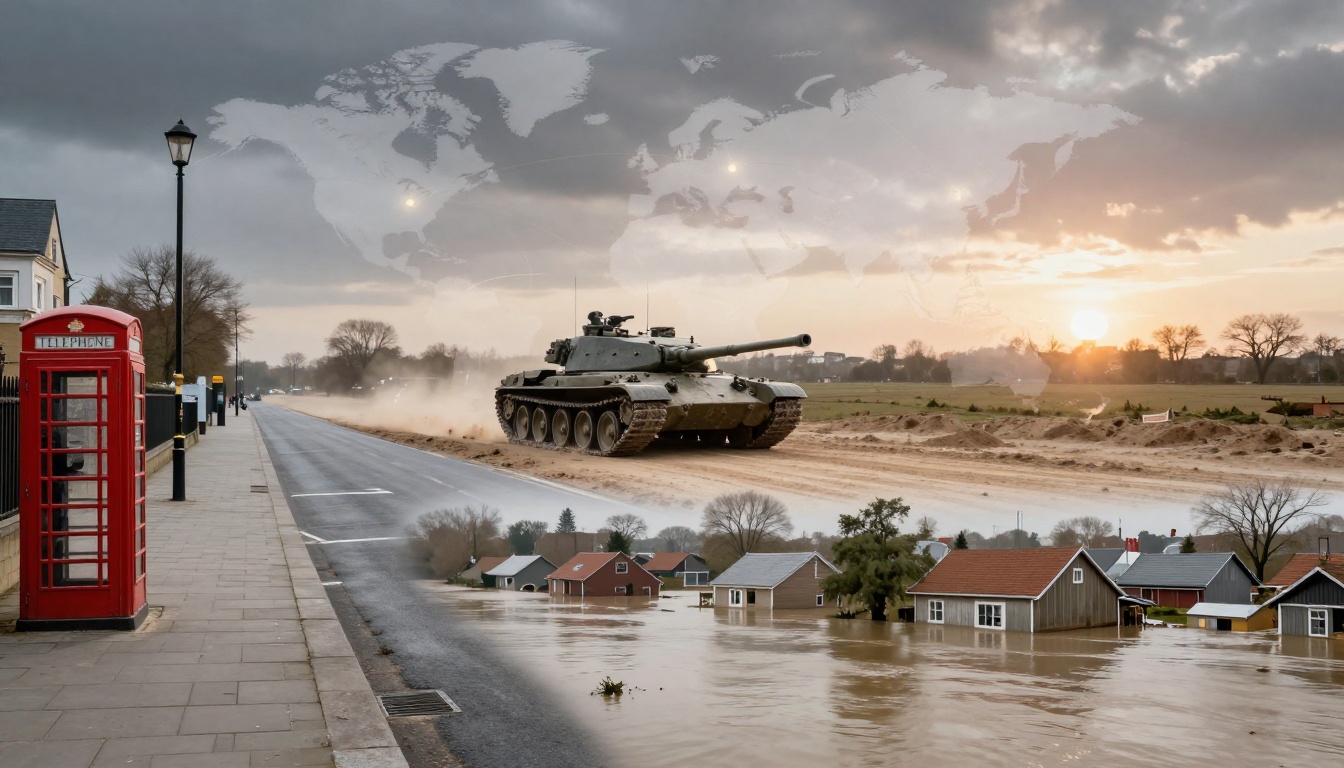
Picture empty streets in London during COVID lockdowns, families huddled at home as the virus spread. Then came Russia’s tanks rolling into Ukraine in 2022, shaking borders and energy supplies. Add floods swallowing villages in Pakistan that same year, displacing millions. These shocks tested world leaders like never before. From 2020 to 2025, nations tried to join forces. Some efforts shone bright and saved lives. Others crumbled under self-interest. As the global community grappled with these crises, new initiatives emerged, focusing on innovative projects addressing climate change. These projects harnessed cutting-edge technology and community engagement to create sustainable solutions that could withstand future adversities. However, the path forward required not only collaboration but also a commitment to prioritizing the planet over political agendas. As the world grappled with these crises, frozen conflict tensions in Eastern Europe continued to simmer beneath the surface, threatening to ignite further instability. Diplomatic efforts were often met with skepticism, as old grievances resurfaced and alliances were tested. Amidst this turmoil, humanitarian efforts aimed to alleviate the suffering of those caught in the crossfire remained vital, reminding us of the resilience of the human spirit.
Smart moves, like the COVAX vaccine programme, delivered nearly 2 billion doses to 146 countries and saved 2.7 million lives in poorer nations. G20 debt pauses freed up $12 billion for struggling countries. Sanctions froze $300 billion in Russian assets. Yet flops hurt bad: rich countries hoarded vaccines while others waited and died. Ukraine peace talks stalled in UN deadlocks. Climate pledges rang hollow without cash. As we look ahead, the global crisis outlook for 2026 reveals a pressing need for reform in international cooperation and equitable resource distribution. The lessons learned from past failures must guide future actions to ensure sustainable progress. Without a unified effort, the potential for further humanitarian disasters looms large, threatening the fabric of global stability.
This piece breaks down what worked, what failed, and clear lessons for the next crisis. Readers walk away with a sharp eye on how countries can team up better. It’s not just history; it’s a guide for tougher times ahead.
Wins That Proved Countries Can Pull Together in Crisis
Nations showed they could act fast when stakes were high. Health workers in remote African clinics held vials of precious vaccines. Bankers locked away oligarchs’ fortunes. Diplomats shook hands on green energy shifts. These successes rested on shared goals and quick trust.
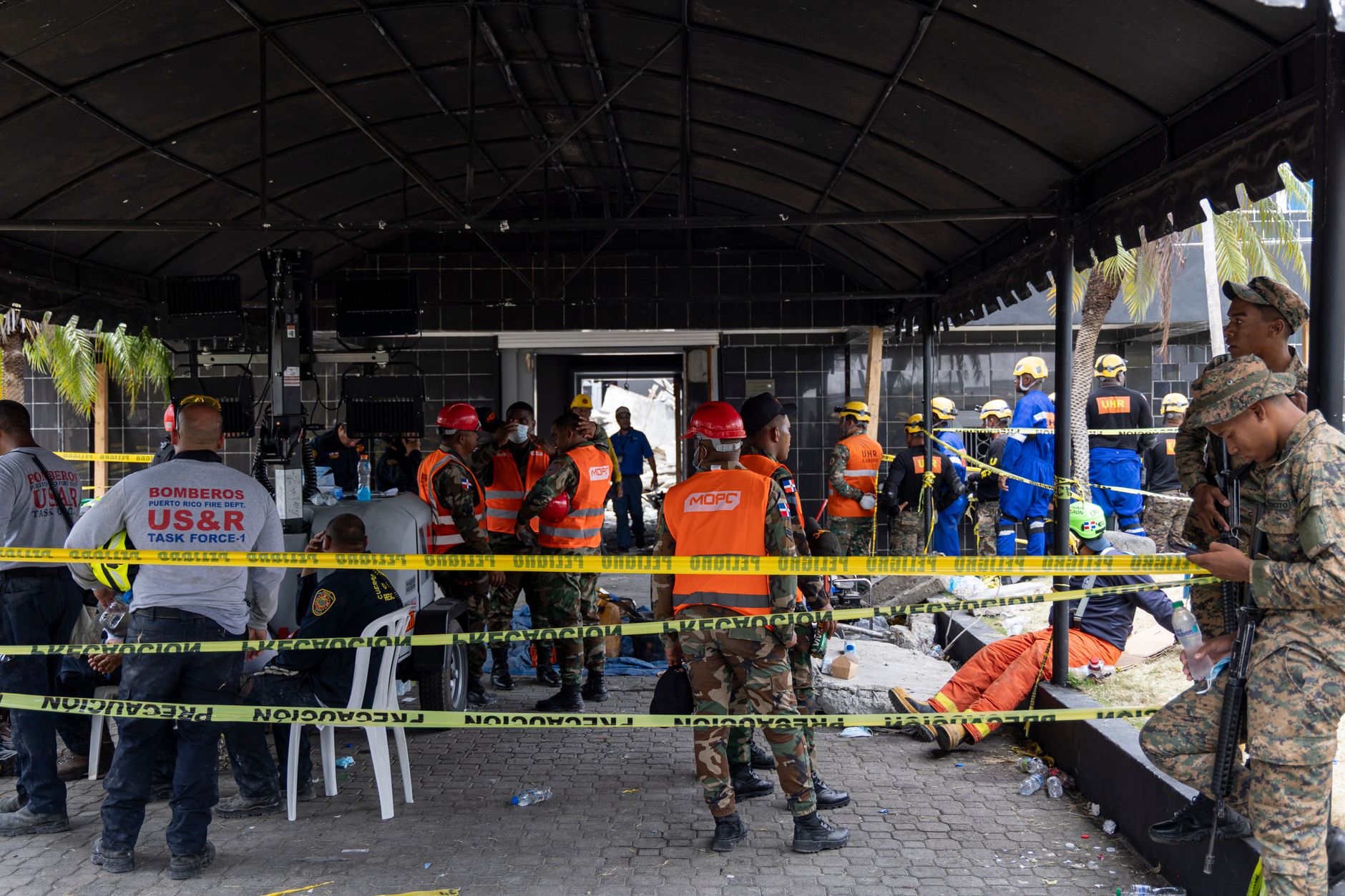
Photo by Miguel Caireta Serra
COVAX Rollout Gave Shots to the World’s Neediest
COVAX kicked off in 2020. The WHO, Gavi, and partners aimed to share vaccines fairly. They set a goal of 2 billion doses. By 2022, they sent 1 billion to 144 countries. It created the first global fund for vaccine safety too.
The US stepped up with big donations. Poorer nations got shots that rich ones grabbed first. Those doses saved 2.7 million lives. For details on the rush to deliver, check how COVAX raced to protect the world from COVID-19. Empty clinics filled. Nurses jabbed arms in dusty villages. Hope spread with each needle.
Sanctions on Russia Hit Where It Hurt
After Russia’s 2022 invasion of Ukraine, over 50 countries united. They froze $300 billion in Russian central bank assets. Oil prices capped at $60 a barrel cut revenues by 90%. Swift payments blocked war chests.
Leaders from Europe to Japan moved as one. Yachts sat idle in ports. Funds meant for tanks stayed locked. This squeeze slowed Moscow’s push. Money trails went dry, proving coordinated finance bites hard.
COP Summits Locked in Climate Promises
COP meetings built steady progress. At COP26 in 2021, 100 countries pledged methane cuts by 30% this decade. COP28 in 2023 pushed a shift from fossil fuels. COP29 sealed $300 billion in yearly aid for green switches.
Nearly 190 nations signed on each year. Flood-hit farmers saw pledges turn to plans. Wind farms rose faster. These steps created momentum, like a snowball gathering force down a hill.
Flops That Left the World Exposed and Divided
Not every try succeeded. Picture vaccines rotting in African warehouses while patients gasped for air. Diplomats shouted past each other at the UN. Poor countries sank deeper in debt. Nationalism trumped teamwork time and again.
Vaccine Grabs During COVID Widened the Gap
Rich nations snapped up doses early. They stockpiled billions while low-income countries got scraps. Doses expired unused in Europe as clinics stayed bare in Ghana. The WHO lacked teeth without full US support.
Unlike the 2008 crash, G20 pledges fell short. Millions died waiting. Groups like MSF called it a broken promise to the world. Selfish grabs deepened divides and prolonged pain.
Ukraine War Froze Global Diplomacy Cold
UN votes split along US-China-Russia lines. Vetoes blocked action. No unified peace plan emerged. G20 summits collapsed over aid splits.
Arms flowed one way, grain the other, but talks stalled. Blocs dug in, leaving civilians in rubble. Unity cracked under old rivalries.
Economic Bounces Skipped the Poorest
G20 debt relief totalled just $5.3 billion, far below needs. Global GDP shrank 5% in 2020, but stimulus hit $14 trillion, mostly for the rich. Poorer spots saw illicit cash flows drain billions more.
No big fixes for poverty traps. Families starved as northern banks boomed. Uneven recovery bred resentment.
Takeaways to Make Global Fixes Stick Next Time
Wins like COVAX prove fair sharing works when leaders commit. Flops show weak rules and nationalism kill progress. Strengthen the WHO with binding vaccine rules. Tie trade deals to dose shares.
Reform debt via automatic pauses in crises. Boost UN veto fixes for wars. Fund climate aid upfront, not promises. G20 must match words with cash.
Nations need pre-set playbooks. Train diplomats yearly. Build trust funds now. Nationalism pulls back, but crises demand bold steps. Are we ready for the next shock, like a new virus or cyber hit? These fixes turn lessons into action.
Conclusion
COVAX doses racing to clinics proved coordination saves lives. Sanctions starved wars, COP pacts curbed emissions. Yet hoarding wasted shots, Ukraine deadlocks wasted time, debt flops wasted chances.
Push leaders for fair vaccine pacts and real debt relief. Track news on global talks. Stay alert; the next test comes soon.
What if we built unbreakable teams now? Readers, share your views below. Thanks for reading; sharper eyes spot better paths ahead.