
Listen to this post: Climate Diplomacy After COP30: Promises Turning to Action?
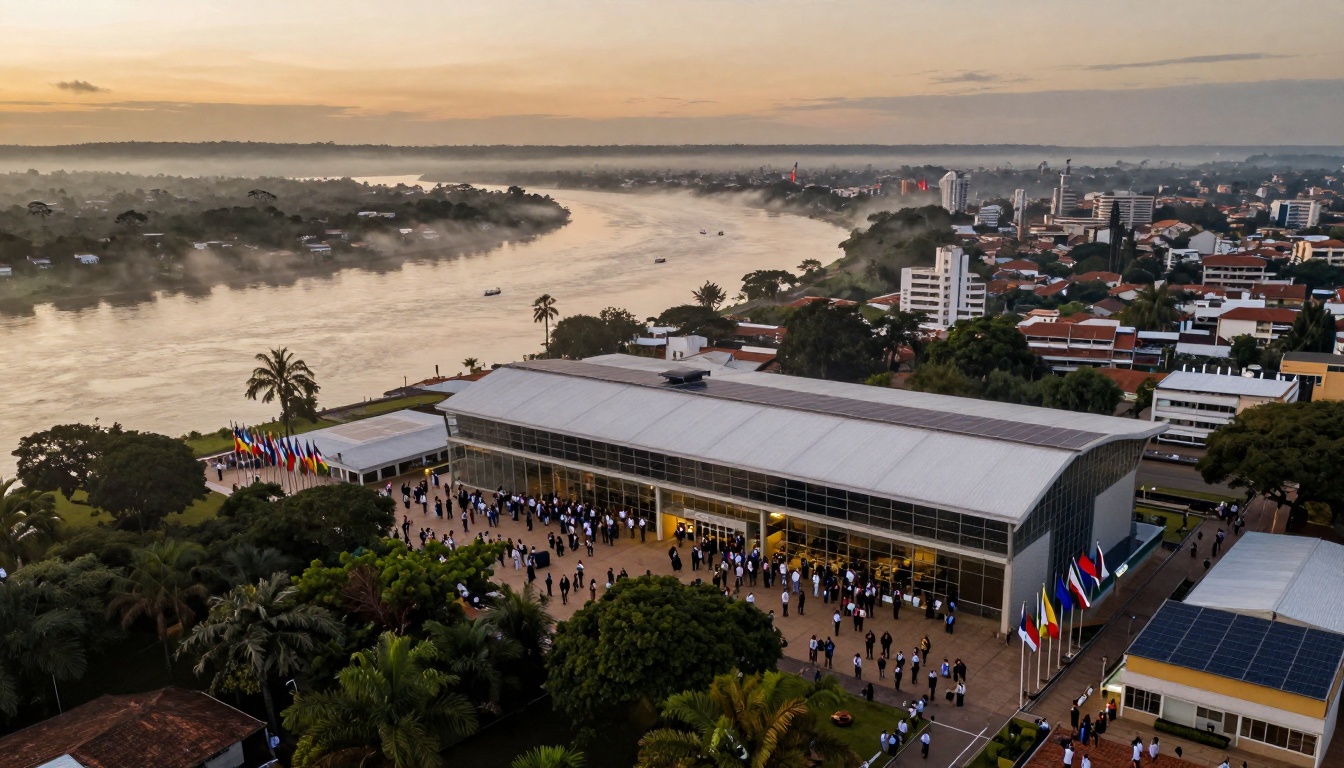
Picture this: humid air hangs heavy over Belém, Brazil, in November 2025. Crowds pack the streets outside the COP30 venue. Nearly 200 nations cheer as leaders sign off on the Belém Political Package. It’s a pledge for a “global mutirão”, a team effort in Portuguese to tackle climate change. Delegates hug, banners wave, and hope flickers amid urgent talks on floods, fires, and failing crops.
Fast forward to January 2026. That buzz feels distant. The big question lingers: are countries turning bold words into real deeds? COP30 scored wins like tripled adaptation finance and fresh accelerators for change. Yet emissions cuts fell short, and fossil fuel talks stalled. The world still eyes 2.3 to 2.8 degrees Celsius of warming. Early moves show promise, but gaps yawn wide. Vulnerable nations wait for cash and jobs. This piece tracks the shift from pledges to progress, or lack of it.
What COP30 Promised: The Highlights from Brazil
Belém buzzed with energy. Leaders from almost 200 countries gathered under Brazil’s watchful eye. The Belém Political Package marked a pivot. Talks moved from endless debates to hands-on steps. Nations agreed to speed up cuts in emissions and build defences against worsening weather. The package named itself after a local term for collective work. It aimed to knit governments, businesses, and communities into one force.
For full details on the package’s birth, check the official COP30 approval announcement. Picture sweaty negotiators clinching deals late into the night. They set targets for money, jobs, and tech. But not all promises shone bright.
Weak Spots in Emissions Reductions and Fossil Fuels
NDCs drew the sharpest criticism. These national plans guide emission cuts. By early deadlines, only 119 to 121 countries filed updates. They cover 74% of global emissions. Yet the plans point to too little action. Current paths lock in 2.3 to 2.8 degrees Celsius of heat. That’s far from the 1.5-degree guardrail.
Fossil fuels escaped firm curbs. No global phase-out timeline emerged. Brazil floated a voluntary plan for COP31. Heatwaves scorch cities, seas rise, crops fail. Without deeper cuts, risks mount. Imagine parched fields in India or flooded homes in Bangladesh. These weak spots test the package’s grit. Carbon Brief maps the key outcomes agreed in Belém, highlighting the all-night push.
Bright Spots in Adaptation and Just Transitions
Adaptation finance tripled on paper. Countries pledged $120 billion a year by 2035. New gauges track water security and food supplies. The Belém Mechanism aids fair job shifts. Workers in coal towns get training for green roles. The Gender Action Plan boosts women in climate fights.
Vulnerable spots like small islands gain tools. Think Pacific atolls bracing for storms. These steps put people first. Equity threads through the deals.
New Tools to Speed Up Change
Fresh accelerators promise pace. The Global Implementation Accelerator targets methane and renewables. The Belém Mission to 1.5°C guides sharper NDCs. A Technology Implementation Program shares know-how fast.
Eleven countries pledged on methane. Forests drew commitments too. These tools act like engines, revving stalled efforts.
First Steps Forward: What’s Happening in Early 2026
January 2026 brings glimmers. Launches kick off. Brazil rolls out roadmaps. Methane funds flow to seven nations. The Global Implementation Accelerator and Belém Mission steer NDCs toward 1.5 degrees. Optimism stirs, but proof lies in deeds.
Crowds in Belém dreamed big. Now, quiet work tests resolve.
Launches and Quick Wins on the Ground
Accelerators hit the ground running. The Global Implementation Accelerator links plans to action on methane and clean power. Brazil launches fossil fuel transition and anti-deforestation maps. Methane gets a $25 million shot for seven countries.
These moves build speed. National adaptation plans quicken. Private firms join via the COP30 Action Agenda. Early cash eases pain in flood-hit spots.
Gaps in Commitments from Key Nations
Seventy-six countries missed NDC deadlines. That’s 26% of emissions. Big finance flows stall. Geopolitical spats linger, yet 194 nations back a low-emissions path.
China eyes emission caps in its next plan. Tensions slow cash, but calls for unity grow louder.
Lingering Hurdles: Why Action Lags Behind Promises
Barriers block the road. Weak targets persist. Funds trickle slow. Tensions flare. Picture a marathon runner tripping at mile five. Change demands steady strides, not stumbles. Critique sharpens focus, hope fuels the push.
Finance and Equity Issues Still Unresolved
COP29 eyed $300 billion yearly. COP30 nudged progress, but no full pact. Developing nations cry for grants from historical polluters. Rich states push private cash and tap China, oil giants.
Loss and damage funds lag. Just transitions need views by March 2026. Without equity, trust erodes. Small nations bear big burdens.
Geopolitics Slowing the Pace
Wars and trade rows delayed Belém deals. Yet momentum builds. A “coalition of the willing” meets in April, led by Colombia and the Netherlands. They plot science-based fossil shifts.
China’s five-year plan looms. US shifts hover. Talks grind, but global pulls tighten.
Looking Ahead: Roadmaps for COP31 and Beyond
COP31 lands in Antalya, Turkey, November 2026. It checks NDC ambition. Roadmaps on fossils and forests arrive. Funding must flow to accelerators.
A coalition pushes phase-outs. Methane cuts demand 5% yearly CO2 drops now. Private tools like building efficiency plans step up. Forward steps hint at payoff. Nations eye 1.5 degrees. Brazil’s pledges test mettle.
Planet Mark outlines four takeaways shaping 2026 action.
Steady Strides or Stalled Talk?
COP30 sparked tools like accelerators and adaptation cash. Early 2026 sees launches and methane boosts. Yet emissions lag, finance trickles, and key nations dawdle. Promises inch toward action, but the gap yawns.
Are nations ready for the mutirão? Steps forward count, yet bolder cuts and funds demand urgency. Track COP31 in Turkey. Push leaders for deeds over words. Imagine a world where Belém’s cheers echo in cooler air, safer shores. Your voice joins the team. Stay tuned.