
Listen to this post: Can Small Island States Find Sustainable Economic Models in a Heating World?
When you live on a small island, the economy and the climate sit at the same kitchen table. A single cyclone can wipe out a season’s income. A marine heatwave can thin out reefs that once drew visitors. A longer dry spell can turn water into a rationed luxury.
The hard part is this: many island economies still rely on a few fragile pillars, usually tourism, imported fuel, and a narrow set of exports. In a heating world, that mix can feel like building a house on sand. The question isn’t whether small island states can grow, it’s whether they can grow in ways that don’t collapse the moment the weather turns.
Sustainable economic models for small island states will look less like one big idea, and more like a stitched quilt: ocean-based jobs with strict rules, cheaper clean power, safer homes and ports, smarter finance, and a sharper focus on skills that travel well.
The squeeze: why growth is harder on small islands
Small island states face a set of pressures that arrive together, like waves in quick sets. Climate change is the headline, but the deeper story is how it interacts with size.
First, islands often import what larger countries can make at home: fuel, building materials, fertiliser, many food staples. When global prices spike, the cost of living rises fast, and government budgets tighten. When storms hit, repairs cost more because everything, from cement to spare parts, arrives by ship or plane.
Second, risk is concentrated. A single airport, a single main port, a single coastal road, these are not just transport links, they’re the bloodstream of the economy. If one piece fails, the whole system feels it. That’s why disaster risk reduction isn’t a side policy for islands; it’s economic policy. The UN’s work on disaster risk reduction for SIDS links directly to jobs, housing, health, and critical services through frameworks like Sendai and newer SIDS agreements, summarised on the UNDRR SIDS action page.
Third, many islands carry high debt loads. Borrowing after disasters can become a cycle: rebuild, borrow, get hit again, borrow again. It’s hard to plan a 20-year economic shift if the next two years are spent plugging budget holes.
None of this means islands are doomed to shrink. It means “business as usual” is priced for yesterday’s climate. In practice, a sustainable model has to do two jobs at once: earn foreign exchange and lower exposure to shocks.
A blue economy that pays, without selling the sea
If an island’s land is limited, its ocean is often vast. Many Small Island Developing States manage enormous Exclusive Economic Zones. That fact changes what “economic model” can mean. The sea can be a pantry, a power source, a transport route, and a lab for new products. It can also be overused quickly.
A credible blue economy starts with a simple promise: extract value, but keep the system alive. That means clear fishing limits, strong monitoring, protected areas where needed, and enforcement that works even when budgets are tight.
The most bankable blue-economy activities tend to share three traits: they create jobs, they can earn export income, and they protect the asset that generates the income in the first place.
- Sustainable fisheries and aquaculture: Not “more fish at any cost”, but better value per catch. Traceability, cold chains, and premium markets can mean fewer tonnes landed, but more money earned.
- Nature-based tourism: Reefs, mangroves, and lagoons are not just pretty, they’re infrastructure. They buffer storms and keep beaches stable.
- Ports and maritime services: Islands that sit on shipping routes can earn through logistics, repairs, and training, if they invest wisely and avoid locking in fossil-heavy systems.
- Blue finance: Some islands have experimented with bonds and debt deals tied to marine protection. The goal is to bring in capital while putting legal weight behind conservation.
Real-world examples show both promise and caution. Seychelles has been widely noted for a “blue bond” approach to support sustainable fisheries and marine management (a reminder that finance can be designed to reward protection, not just production). Mauritius has also spoken about expanding ocean-related sectors such as ports, aquaculture, and offshore energy in recent budget planning, signalling how mainstream the blue economy has become in policy circles.
Still, the ocean can’t carry every hope. Seabed mining, for example, is often pitched as a new revenue stream, but it carries large environmental unknowns and political risk. A sustainable model can’t be built on a bet that might damage the very waters people rely on for food and tourism.
A good rule of thumb is blunt: if a blue-economy plan would still look sensible after a bad coral year and a poor fish season, it’s probably grounded.
Clean energy and basic services: the infrastructure bargain
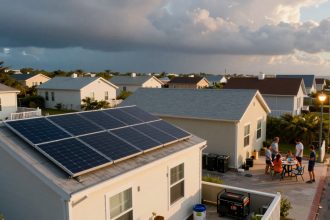
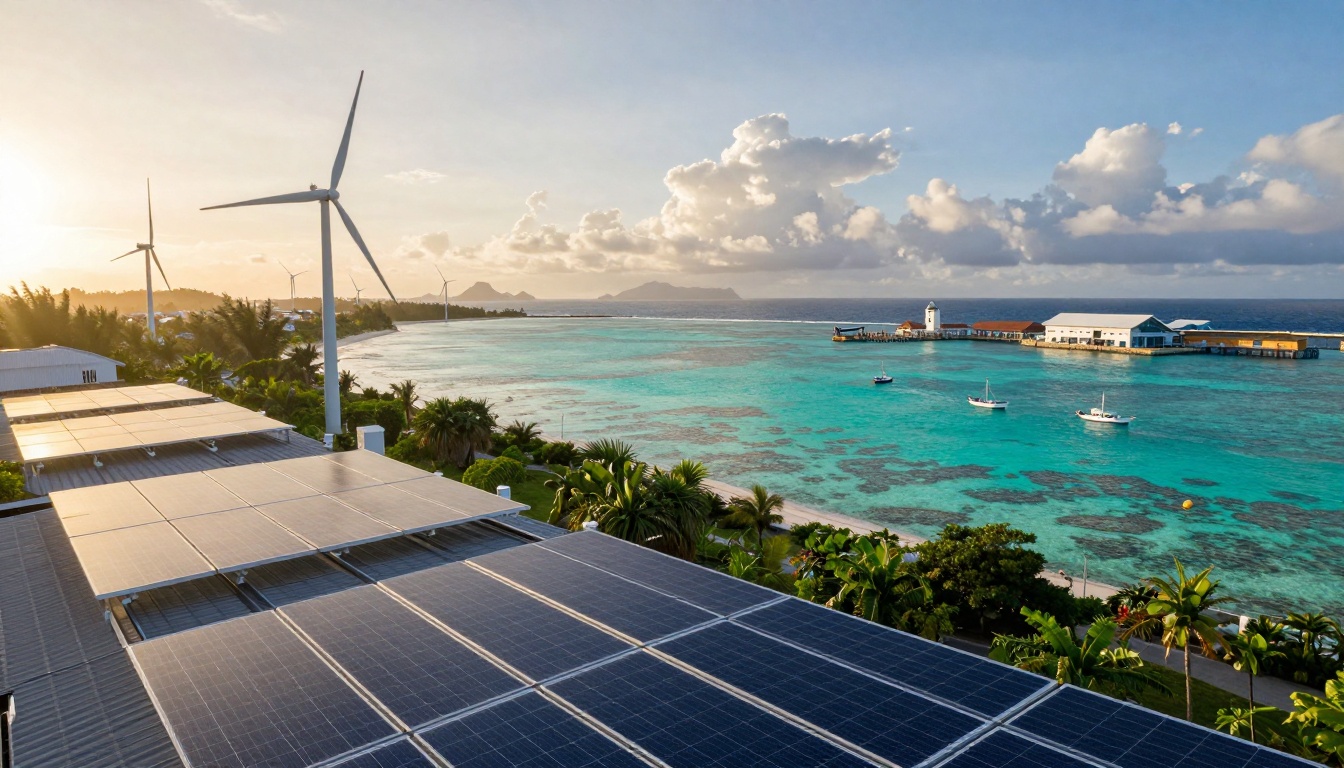
Imported fuel is a quiet tax on island life. It raises electricity prices, transport costs, and the price of water where desalination is used. It also drains foreign currency. Shifting to renewables isn’t only about emissions, it’s about keeping more money at home and lowering exposure to oil price shocks.
For many islands, the clean energy pathway is becoming clearer:
- Solar and wind as the backbone, because the fuel is free once built.
- Battery storage and grid upgrades, because intermittent power needs balancing.
- Efficient cooling and building design, because heat drives demand spikes.
- Electric buses and two-wheel transport, where grids can handle it.
- Cleaner shipping and port electrification, where partnerships and finance make it possible.
International support is also becoming more structured. The UK’s recent policy direction sets out practical areas of cooperation with island states, from clean energy to economic development and resilience, in the UK Small Island Developing States strategy 2026 to 2030. What matters for islands is not the press release, but whether projects arrive with long-term maintenance, training, and local ownership.
Water is the other half of the bargain. Drought, saltwater intrusion, and flood damage can turn water supply into a recurring crisis. Investing in rainwater capture, leak reduction, and resilient treatment systems doesn’t sound glamorous, but it’s the sort of stability that lets businesses keep operating.
One practical way to think about it is to treat infrastructure like a three-legged stool: power, water, and transport. If one leg is weak, the economy wobbles. If all three are upgraded with climate risks in mind, islands can lower operating costs and attract investment that would otherwise stay away.
Here’s a quick snapshot of what “sustainable” can look like in practice:
| Economic focus | What it earns | What it reduces | Main risk to manage |
|---|---|---|---|
| Solar and storage | Lower imports, new jobs | Fuel price shocks | Upfront cost, grid skills |
| Resilient ports | Trade continuity | Supply disruption | Storm damage if poorly built |
| Water security | Business continuity | Drought impacts | High maintenance needs |
| Efficient buildings | Lower bills | Heat stress | Weak standards enforcement |
The point isn’t perfection. It’s building systems that don’t fail all at once when the climate turns harsh.
Making money that survives storms: tourism, skills, and smarter finance
Tourism will stay central for many island states, but it can’t remain a single thin reed. A sustainable tourism model in a heating world is less about marketing, and more about design choices that reduce risk.
That starts with where hotels and roads are built, and how communities are protected. Coastal set-backs, flood-aware zoning, and safer shelters aren’t just safety measures. They protect national income. There’s growing research on how island towns and cities can develop in ways that cope with climate pressures, including planning, housing, and services, discussed in Nature’s agenda for climate-resilient urban development in SIDS.
It also means changing what visitors buy. Islands can gain more by selling experiences and quality, not just headcount. Think smaller footprints, longer stays, local food, reef-safe operations, and nature restoration that guests can see. A reef nursery project can be both conservation and a paid activity. A mangrove walk can be both education and shoreline defence.
Food and agriculture deserve a reset too. Total self-sufficiency isn’t realistic for many islands, but smarter production helps: climate-tolerant crops, shade houses, better soil care, and aquaculture that doesn’t pollute lagoons. Every extra percentage of local supply is a buffer against shipping shocks.
Then there’s the most portable export of all: skills. Islands that invest in education and training can grow “weightless” sectors where distance matters less, such as accounting services, design, coding, remote admin, and specialist marine science. This isn’t a fantasy cure, it’s a diversification layer. When weather disrupts physical infrastructure, digital work can still continue if power and connectivity are reliable.
Finally, sustainable models need finance that matches island realities. Traditional lending often treats climate disasters as bad luck. Islands live them as a pattern. Newer approaches try to break the rebuild-and-borrow cycle:
- Debt swaps for climate and nature: Restructuring debt in exchange for commitments to protect ecosystems or invest in resilience.
- Risk insurance and disaster clauses: Financial tools that trigger quick payouts after shocks, or pause repayments when disasters strike.
- Blended finance: Public and private money combined to reduce risk and unlock projects that would otherwise be too expensive.
For readers who want policy context on how partners frame support, the earlier UK approach to island states is set out in the UK Small Island Developing States Strategy 2022 to 2026 (PDF), which helps explain why clean energy and resilience keep appearing together.
Sustainable economics for islands isn’t about one perfect sector. It’s about stacking several good bets so no single storm can knock everything down.
Conclusion: a future built to last, not just to grow
Small island states can find sustainable economic models in a heating world, but they’ll look different from the old playbook. The strongest paths mix a protected blue economy, cheaper clean power, safer infrastructure, and finance that recognises repeated shocks. They also invest in people, because skills can travel when coastlines can’t.
The choice ahead is plain: keep earning in ways that increase risk, or earn in ways that cut it. The islands that do best won’t be the ones that grow fastest on paper, they’ll be the ones that can still function after the next hard season. What would it take for more national budgets, and more donor projects, to measure success in those terms?