
Listen to this post: How Cities Tackle Extreme Weather: Wins and Setbacks in 2025
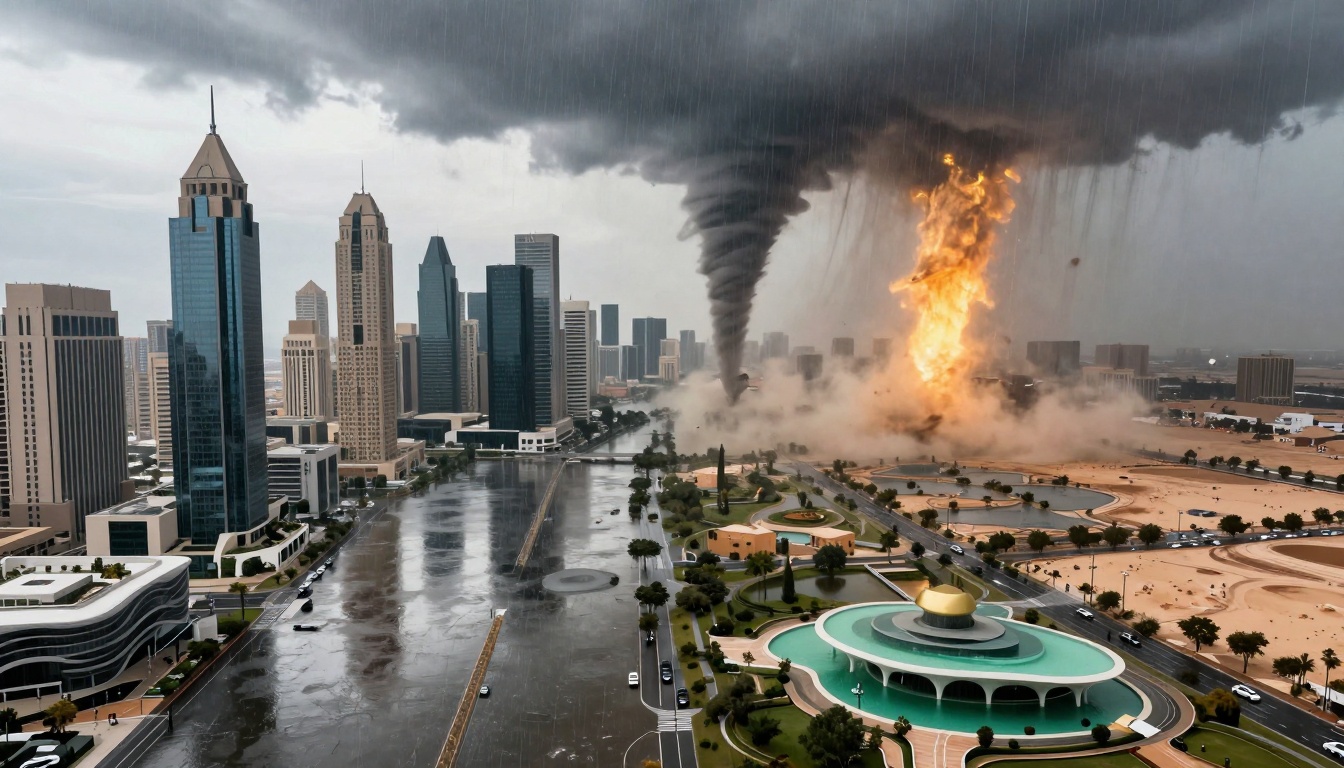
Picture this: Christmas Eve in Los Angeles. Rain pounds down, turning streets into raging rivers. Mudslides bury cars and homes under tonnes of debris. Just months earlier, in May, a ferocious EF-3 tornado ripped through St. Louis. Winds hit 140 mph, killing at least four people and shattering thousands of buildings. Families sift through rubble, wondering if they’ll ever rebuild.
These scenes played out across the US in 2025. A heatwave scorched the Northeast, breaking over 3,000 daily records from the Rockies to New England. Texas saw flash floods along the Guadalupe River that killed 135 souls as waters surged 37 feet in hours. Phoenix choked under a massive haboob dust storm. Cities pack people tight, with concrete that traps heat and drains that clog fast. Climate change amps up the risks. Storms dump more rain, heat lingers longer, and winds whip harder.
Some places fight back smartly. Amsterdam’s water plazas soak up floods like sponges. Others stumble. Texas floods exposed weak spots in planning. This piece looks at 2025’s hits, cities that adapted well with green fixes, those that lagged, and steps forward. Cities that blend nature, data, and cash stand stronger. Others pay in lives and billions.
Cities Reeling from 2025’s Brutal Weather Hits
The US clocked 21 billion-dollar disasters in 2025, with costs topping $378 billion. Urban spots took the brunt. Concrete amplifies floods and heat. Poor drainage turns pavements into traps. Power cuts left millions in the dark. Evacuations displaced thousands. At least 276 deaths tied to these events. Density worsens it all. Skyscrapers block breezes. Asphalt bakes like ovens.
St. Louis felt the fury first. The May 16 tornado levelled homes and businesses. Debris flew like shrapnel. Hospitals closed amid chaos. In Texas Hill Country, July 4 rains unleashed a monster. The Guadalupe River jumped 37 feet fast. Cars vanished in muddy torrents. Rescue teams pulled survivors from trees. Los Angeles battled back-to-back woes. January wildfires scorched hills. Christmas Eve floods followed, sparking mudslides that wrecked Hollywood Hills.
Milwaukee drowned in August downpours. Basements filled overnight. The state fair shut down. Phoenix’s haboob on August 25 blanketed the city in dust. Winds gusted 65 mph. Flights grounded. Visibility dropped to yards. Northeast cities baked in June heat. Syracuse buried under lake-effect snow by December. These hits show why cities must prep now. Human costs run deep. A single mum loses her flat to floods. An elderly bloke succumbs to heat. Billions vanish in repairs.
Floods and Storms That Swamped Urban Areas
Flash floods hit hard. Los Angeles’ Christmas deluge sent mud racing down canyons. Homes cracked open. World Weather Attribution’s report on 2025 extremes notes how rare rains overwhelm old drains. Milwaukee’s basements turned lakes. Texas’ Guadalupe nightmare drowned 135. Water rose in hours.
Storms piled on pain. St. Louis’ EF-3 twister shredded 5,000 structures. Phoenix’s dust wall halted life. Cities blame clogged pipes and subsidence. Sinkholes swallow roads. Prep gaps cost lives.
Heatwaves Turning Streets into Ovens
June’s heatwave fried the Northeast. Temps topped 100F in spots like Augusta. Plattsburgh baked too. The West dried out, feeding droughts. Elderly and poor suffered most. Hospitals filled with heatstroke cases.
Portland hit highs near records, though not 116F. Concrete turned blocks into furnaces. Blackouts worsened nights. Vulnerable groups faced highest risks. Kids in hot flats. Workers outdoors. These ovens strain grids and health systems.
Success Stories: Cities Fighting Back with Smart Fixes
Not all news spells doom. Smart cities weave nature into fixes. Amsterdam leads with water plazas. These sunken squares hold billions of litres during storms. They double as parks on dry days. Copenhagen plants trees in Klimakvarter districts. Shade drops temps 5C. Singapore drapes buildings in green roofs. Vines cool air naturally.
Miami hired a chief heat officer. Bonds fund shade sails and cool paths. Richmond opens cooling centres for the needy. New York built parks post-Sandy. Wetlands buffer surges. These blend green and grey. Permeable pavements let rain seep in. Mangroves guard coasts. Community voices shape plans. Data maps spot hot zones.
Benefits stack up. Heat islands shrink. Floods slow. Lives save. Copies spread fast. Beira in Mozambique digs drains that double as playgrounds. San Francisco maps fog for cool spots. Tucson aims net-zero buildings. Costs drop long-term. A tree canopy feels like AC on hot walks. Plazas host picnics post-rain.
New York’s flood survival strategies show layered defences work. Boston pushed resilience despite pushback, per Guardian coverage. These wins prove planning pays.
Green Spaces and Water-Smart Designs That Work
Amsterdam’s plazas store storm water underground. They stay vibrant with grass and benches. Copenhagen’s green quarters use soil to soak rain. Roots grip earth tight. Beira channels floods away from slums. Paths stay dry. Beauty meets function. Parks bloom where puddles once ruled.
Cooling Tricks and Heat Plans Saving Lives
Singapore’s vertical gardens chill towers. Air drops 4C. San Francisco plants street trees for shade. Tucson pushes cool roofs. Richmond’s hubs offer free AC to low-income folks. Trees shelter playgrounds. Poor areas get priority. Lives cool down.
Hard Lessons from Cities Still Playing Catch-Up
Failures sting sharp. Texas floods killed 135 despite warnings. Burn scars from fires sped water. Drains failed. Subsidence sinks land further. California homeowners face $10k insurance hikes from wildfires. Policies flee high-risk zones.
Oklahoma braces for twisters yearly. Hospitals shuttered in St. Louis’ wake. Louisiana repeats hurricane drills, yet surges repeat. Miami tests limits against storms like past Melissa. Funding gaps yawn wide. Cities need $187-359 billion for basics. US aid fixes aftermath, skips prevention. No national blueprint guides all.
Deaths mount. Displacement swells. Costs balloon. LA’s floods and fires rang up billions. Unequal hits batter poor spots hardest. Adaptation hits walls without emission cuts. Texas’ deluge shows prep lags. Hope flickers in pilots, but urgency screams.
What Lies Ahead: Building Tougher Cities for Tomorrow
Trends point up. Heat plans standardise. Nature-based solutions boom. Heat maps guide trees. Sponge cities absorb rains. Equity targets poor areas. Sensors track floods real-time.
2026 brings workshops. C40 cities layer defences. California grants fund greens. Poor zones get cash first. Small steps stack. Cut fossil fuels to ease pressure. Tougher cities emerge.
Cities that act build strength. Data, nature, and community forge the path.
In 2025, brutal weather exposed cracks and triumphs. Green spaces in Amsterdam and cooling hubs in Richmond saved the day. Texas floods and LA mudslides showed prep shortfalls. Cities must pour cash into nature, data, and locals now.
Push your council for tree lines and flood parks. Back leaders who plan ahead. Imagine streets shaded cool, plazas holding storms at bay. These spots thrive for all. Your voice shapes safer homes. Act today. Tomorrow’s weather waits for no one.
(Word count: 1492)