
Listen to this post: War Crime Investigations in the Smartphone and Satellite Era
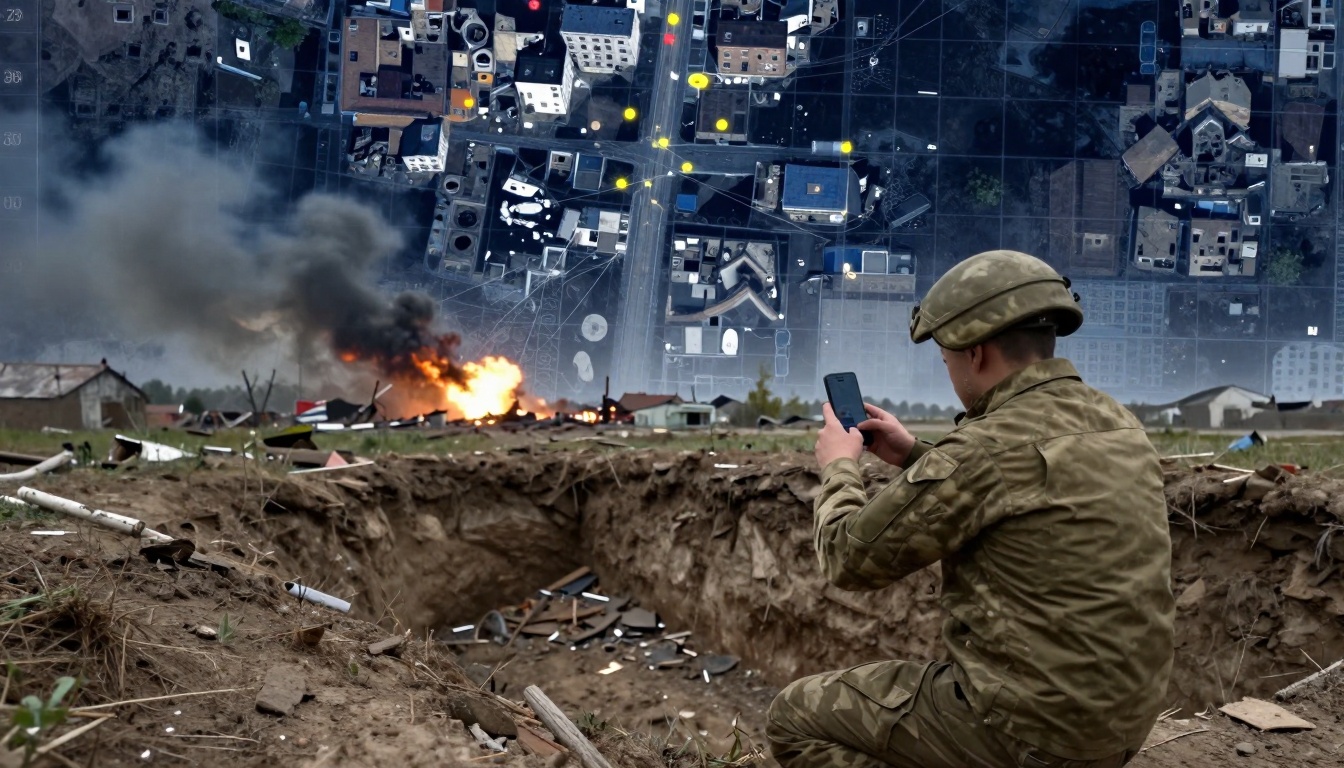
Picture this: a Ukrainian soldier crouches in a trench, phone in hand, filming Russian artillery shells slam into a nearby village. The blasts rip through homes, and the video captures every shudder and scream. He uploads it straight to social media. Moments later, investigators halfway across the world download the clip. No more reliance on shaky witness memories from decades past. War crime investigations now hinge on smartphones and satellite imagery, tools that deliver crystal-clear proof.
Since Russia’s full-scale invasion of Ukraine in 2022, and amid the Gaza conflict, these technologies have transformed how courts chase justice. Groups like the International Criminal Court (ICC) have gathered thousands of digital clips and overhead shots. A recent ICC report notes over 10,000 verified videos from Ukraine alone, plus satellite data mapping destruction sites. This shift speeds up cases, builds ironclad timelines, and exposes lies from those who deny atrocities.
Ordinary people now hold the power to document crimes in real time. Soldiers, civilians, even aid workers snap photos and videos that end up in court files. Yet challenges loom, from fakes to access blocks. In the sections ahead, we’ll explore standout examples from Ukraine, Libya, and beyond, plus how satellites reveal hidden horrors in Gaza and Sudan. Justice moves faster, but not without hurdles.
Smartphone Videos Turn Witnesses into Key Evidence Gatherers
Smartphones put cameras in everyone’s pocket. People record attacks as they happen, then share them online. These clips flood platforms like Telegram and Twitter. Investigators sift through them, turning bystanders into vital sources.
Verification keeps things solid. Groups like Bellingcat use free tools to check locations and timestamps. The Berkeley Protocol sets rules for courts to accept this evidence. It covers everything from geolocation to shadow analysis. Chain of custody tracks each file from phone to trial, just like physical proof.
Ukraine leads the way. Prosecutors collected tens of thousands of clips showing missile strikes, cluster munitions, and hits on safe evacuation routes. CyberUA trains officials to handle this flood. Imagine scrolling your feed and stumbling on proof of a shelling that killed dozens. That’s the new normal.
Libya offers another win. In 2017, the ICC issued a warrant for Mahmoud al-Werfalli after Facebook videos showed him executing prisoners. The posts, from his own circle, sealed his case. In Mali, Ahmad Al Faqi Al Mahdi pleaded guilty in 2016 to wrecking Timbuktu shrines. Phone footage of the blasts helped convict him, the first for cultural destruction.
These tools cross borders fast. Social media posts build cases that old methods could not touch.
Ukraine’s Digital Frontline Proof
Clips from Ukraine paint grim pictures. One video shows artillery pounding a residential block in Kharkiv, homes reduced to rubble. Another captures hostages dragged from basements in Mariupol. After Bucha’s liberation in 2022, locals filmed streets lined with bodies, left for weeks.
Open-source teams verify these against maps and weather data. Fakes get weeded out quick. By early 2026, ICC probes use over 33 warrants here, many backed by such footage. Phones prove attacks on civilians beyond doubt.
Social Media’s Role in ICC Wins
Libya’s al-Werfalli case started with execution videos on Facebook. His militia bragged online, handing prosecutors gold. Dominic Ongwen’s Uganda trial drew on LRA chat logs and posts proving raids.
Platforms connect dots across continents. ICC stats show 73 indictees total, with social evidence key in many. Posts from fugitives often clinch it.
Satellite Images Uncover Crimes from Above
Satellites orbit high, snapping Earth’s surface daily. Firms like Maxar and Planet sell sharp images cheap. Before-and-after shots reveal damage in war zones too dangerous for boots on ground.
In Ukraine, they mapped Mariupol’s maternity hospital crater from a 2022 strike. Imagery showed the blast pattern matched videos below. Bucha mass graves appeared days before troops pulled out, killing Russian denial claims. ICC warrants for leaders like Vladimir Putin cite this data for child deportations and more.
Gaza footage tracks airstrike scars on homes and schools. Syria exposed Da’esh razing sites. Sudan villages burn in patterns hinting at ethnic cleansing. Pair these with ground clips for killer evidence, like in Bosnia’s Srebrenica cases.
Challenges exist. Clouds hide views, and exact strike times need cross-checks. Still, the views from space lock in timelines.
Spotting Mass Graves and Strikes in Ukraine
Bucha streets showed white specks as bodies in April 2022 satellites. Images predated Russia’s exit claims. Mariupol’s kids’ hospital strike left a clear crater, synced with phone videos of the hit.
By 2026, these prove patterns of attacks on protected sites. ICC uses them in 33 warrants, building cases step by step.
Tracking Devastation in Gaza and Sudan
Gaza images chart airstrikes on civilian blocks since 2023. ICC seeks warrants for leaders over starvation tactics, backed by these shots.
In Sudan, satellite images suggest evidence of mass burials ongoing in el-Fasher. RSF massacres left the city a slaughterhouse, with empty markets and burn scars. Ali Muhammad Abd-Al-Rahman got convicted in 2025 on 27 counts from Darfur, using village burn data. Amnesty pairs this with videos for full proof.
Overcoming Hurdles with Digital Proof
Digital evidence shines, but pitfalls trip it up. Deepfakes fool eyes at first. Platforms throttle posts from Tigray or Palestinians, hiding proof. Privacy laws block some shares, and context slips without full stories.
Fixes step in. Amnesty’s teams verify with metadata and cross-checks. Courts follow Budapest Convention guidelines for cyber evidence. AI flags fakes, but humans decide.
Ukraine’s CyberUA fights this with training. ICC blends old witness tales with new tech. By 2026, thousands of tips pour in, speeding reviews. Trials run faster; deterrence grows. Russia and others ignore warrants, but proof piles up.
Hope rises. Balanced tools mean fewer escapes.
In Ukraine’s trenches and Sudan’s burned fields, smartphones and satellites make horrors hard to hide. Videos from Bucha and al-Werfalli’s posts, paired with Bucha graves and El Fasher burials, push ICC wins like Al Mahdi’s plea and Abd-Al-Rahman’s conviction.
Follow CurratedBrief for updates on these probes and global shifts. More warrants loom in 2026. Justice edges closer, one pixel at a time. What role will your next scroll play?
(Word count: 1487)