
Listen to this post: Teaching Peace: What Schoolkids Learn About Today’s Wars
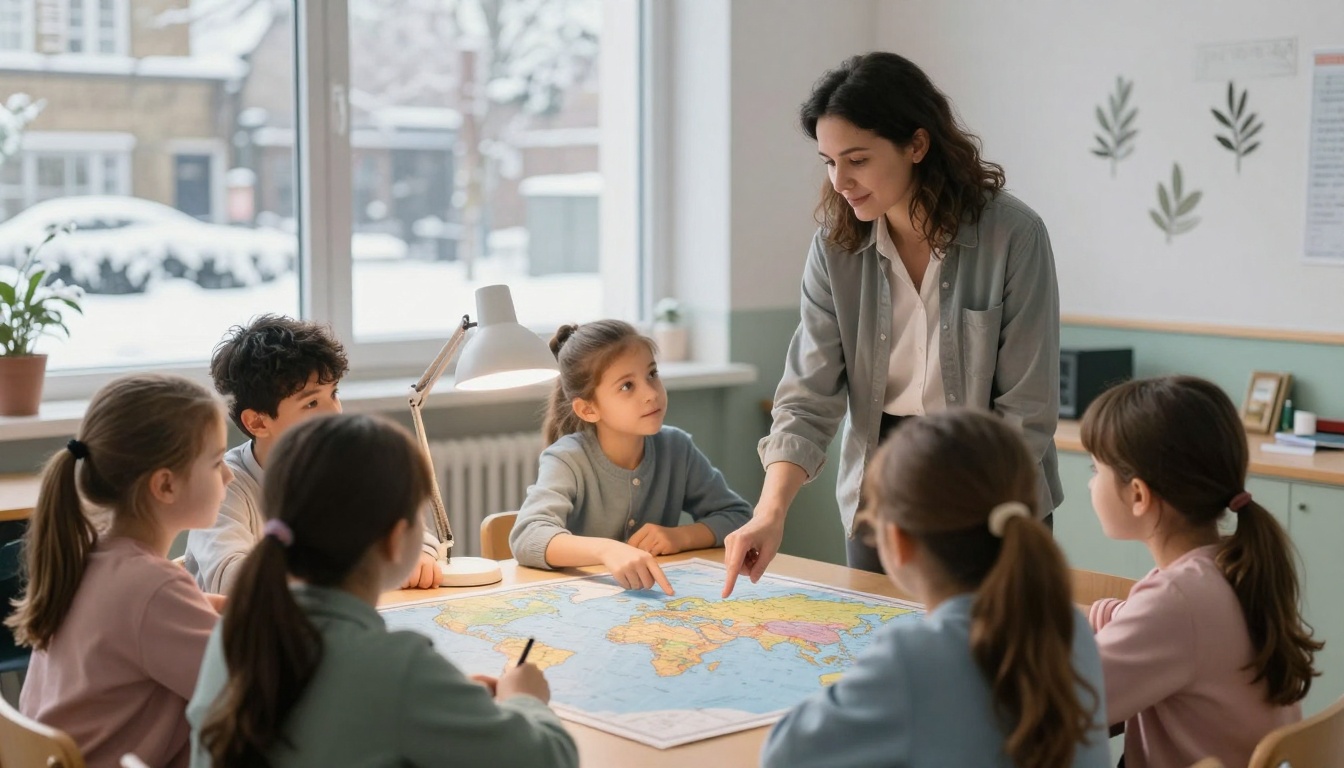
Picture a classroom in January 2026. Snow dusts the windows as ten-year-olds in a London primary school cluster around a map. They point to Ukraine, where the war drags on in a grinding stalemate. Russian forces push slowly near Pokrovsk, but Ukraine holds firm amid drone strikes and blackouts. Kids share stories of families split by the front lines, over six million refugees scattered across Europe. One boy asks why peace talks stall; Trump and Zelenskyy agree on most points, yet Russia demands more. Teachers guide them to see the human side, not just headlines.
Schools worldwide now teach peace amid these conflicts. From Ukraine’s trenches to Gaza’s rubble, lessons help children grasp wars without fear. This post looks at primary school empathy building, secondary debates on causes, hands-on peace programmes, and 2026 classroom hurdles. You’ll see how UK, US, and European kids learn to care, question, and resolve fights.
Building Empathy Early: Primary School Lessons on Global Conflicts
Young children aged five to eleven start with feelings over facts. Teachers use stories of Ukrainian refugees arriving cold and scared in Poland or the UK. Maps show where bombs fall, but focus stays on families, not battles. Lessons spark questions like, “How do you explain war to a seven-year-old?” Simple answers build care: a drawing of a child waving from a train, or a song about sharing food.
In UK primaries, PSHE sessions mix history with emotions. Kids learn refugees need homes through BBC Bitesize clips. US kindergartens tie social studies to aid drives, collecting toys for Gaza kids. These steps avoid trauma; play-acting helps kids feel safe while understanding loss.
| Region | Key Focus | Example Activity |
|---|---|---|
| UK | Human costs, maps | Draw refugee journeys |
| US | Feelings, aid | Collect donations |
| Europe | Neighbours’ pain | Role-play welcomes |
| Global | Basic timelines | Share family stories |
Programmes like UNICEF’s peace education introduce role-play from age five. They contrast neutral facts with propaganda tales from Russian-held areas, where schools push one side. Kids end lessons kinder, ready to help classmates in playground spats.
UK and US Approaches for Young Learners
UK primaries weave Ukraine into history and PSHE. Children trace invasion paths on maps, discuss families fleeing Kyiv. Emotions come first: “How would you feel leaving home?” Teachers use Teach Peace resources for calm talks on arms trade effects.
In the US, K-5 classes hit current events in social studies. Lessons cover Gaza aid, feelings charts for empathy. Kids write letters to leaders, learn bias spotting early. Both nations keep it light, sparking care without nightmares.
Europe and Worldwide Basics
Europe stresses refugees close to home. Polish schools map Ukrainian neighbours’ flight paths; German kids hear witness tales. UNESCO pushes mediation games from age eight, building talks over shouts.
Australia adds timelines of Middle East flares, always human-focused. Worldwide, UNICEF aids remote villages with picture books on peace. Lessons stay gentle, fostering hope over hate.
Teen Debates: What Secondary Students Unpack About Wars Like Ukraine
Imagine a heated Birmingham classroom. Teens aged eleven to eighteen debate Ukraine’s hybrid war: drones, hacks, stalled 2026 talks. Russia grabs bits near Kupyansk but pays in lives; Ukraine strikes back on oil sites. Gaza units probe rockets and blockades. Teachers push UN roles, asking, “Does might make right?”
UK GCSE geography covers invasion roots, refugee waves. US world history classes debate geopolitics, Facing History tools spot propaganda. Europe flags security risks, like NATO edges. Projects judge war claims; kids grill videos from trenches.
These lessons sharpen minds. Stalemate facts ground talks: Russia eyes big cities, rejects ceasefires. Students leave questioning leaders, not cheering flags.
Key Curricula in the UK and US
UK secondaries dissect Ukraine causes: energy grabs, NATO fears. Refugees fill 20% of modules; kids map aid flows. GCSEs demand balanced views.
US teens tackle bias in Facing History sessions. Ukraine geopolitics mix with Gaza ethics; debates weigh UN fails. Both build critical eyes on news spins.
European Depth on Threats and Responses
Poland runs Ukraine modules with guest speakers from borders. Germany links anti-war to Holocaust lessons, apps simulate talks.
Exchanges send kids to Kyiv edges; France covers hybrid threats. Depth breeds caution, turning teens to peacemakers.
Peace Skills in Action: Programmes That Teach Kids to Stop Fights
Kids don’t just learn facts; they practise peace. UNICEF’s global push trains teachers in conflict chats, now big in Ukraine’s New School model resisting occupation lies. Facing History shares US stories on Gaza divides, teaching dialogue over division.
EU modules roll out resilience packs post-2026 trends. VR tours drop students into refugee camps, feeling the crush. AI quizzes test mediation: “Pick words to calm a row.” UK electives build global citizenship; one Glasgow group mediated school bullying via Ukraine role-play.
Success shines in stories. A Manchester class ended playground fights after Gaza empathy days. Peace Education Global Knowledge Clearinghouse tracks wins: lower aggression, higher kindness scores. Mental health ties in, with breathing for war stress.
These tools turn passive learners active. Kids host assemblies on climate-war links, fundraise for aid. Parents see calmer homes. Programmes prove skills stick, from yard squabbles to world woes.
Real Challenges and Fresh Ideas for 2026 Classrooms
Graphic clips stir protests; Gaza lessons draw bias cries in pro-West Ukraine focus. Parents complain of “too soon” in primaries, teachers dodge politics.
Neutrality fights propaganda apps from Moscow or militants. Hybrid classes mix screens with chats, but digital divides hit refugees. Climate-war ties emerge: droughts fuel fights.
Fresh fixes rise. Teacher swaps share neutral plans; apps flag fakes. Parent nights demo VR safely. By mid-2026, forums like Education World Forum push peer ideas. Evolution happens; classrooms adapt, hope grows.
Conclusion
From primary empathy maps to teen UN debates, schools teach peace amid Ukraine’s stalemate and Gaza pain. Programmes like UNICEF build real skills, despite bias rows.
Talk to your kids about these wars; back local peace clubs. Picture that united classroom again, kids linking hands across maps. Hope starts small, spreads wide. What will you do next?