
Listen to this post: Top Economic Risks for 2026: Debt, Trade Clashes, and AI Strain
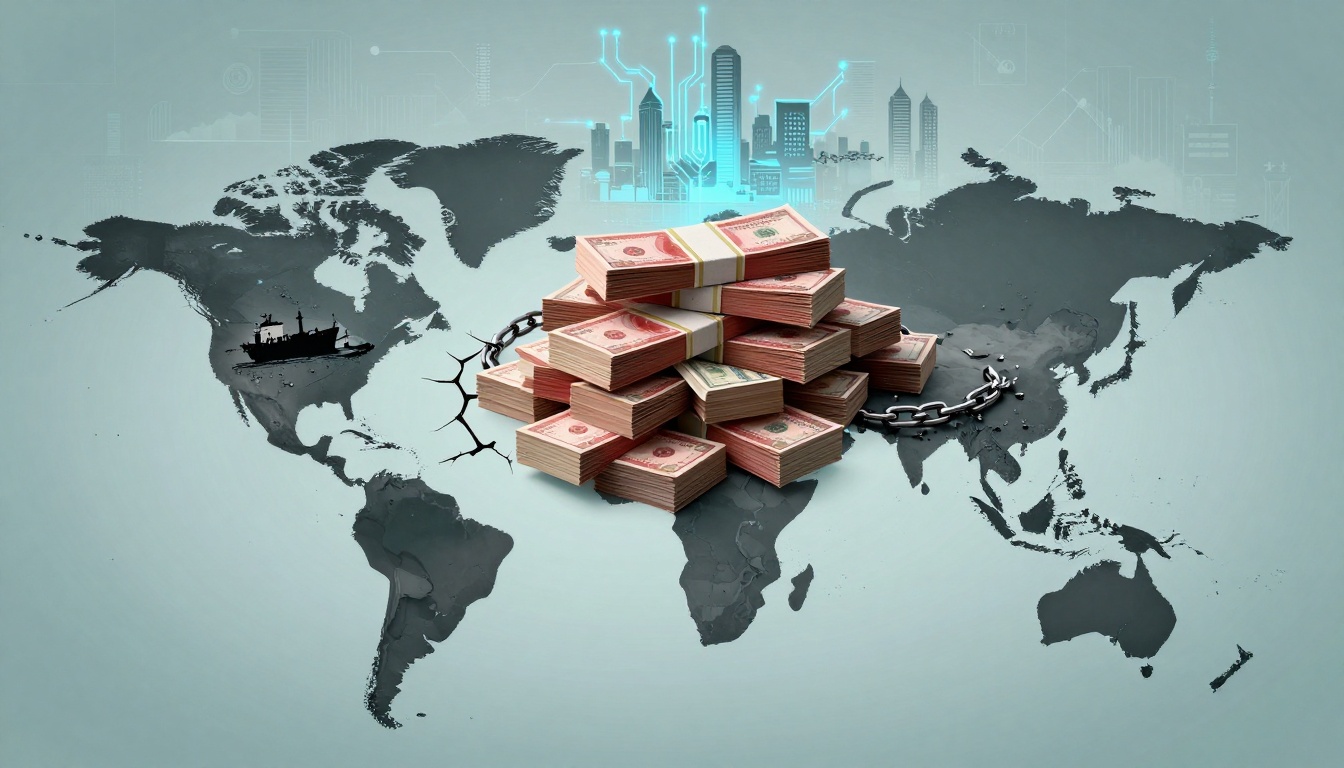
Picture this. You wake up to steeper bills for groceries and power. Your job feels shaky as firms cut back. Ships idle at ports amid fresh tariffs. It’s January 2026, and the world hums along with 2.8% global growth forecasts from Goldman Sachs. Yet cracks show. The World Economic Forum’s Global Risks Report 2026 flags surging threats. Experts rank geoeconomic confrontation top, with economic downturn and inflation leaping eight spots each. Global debt hits $251 trillion, or 235% of GDP. Public debt nears $100 trillion at 92% of GDP. These piles leave little room for shocks.
The International Monetary Fund warns of fragile recoveries. US public debt stands at 121% of GDP, China’s at 88%. Private debt adds pressure, with firms and homes stretched thin. Asset bubbles loom in tech, much like dotcom days. AI’s rise pulls massive energy, stoking inflation. Trade fights fracture chains, empty shelves follow. Half of leaders see stormy years ahead.
These risks link like dominoes. A debt spike could trigger defaults. Trade blocks slow growth. Slowdowns burst bubbles. Stubborn prices from AI power needs hit wallets. This piece breaks down the big four: towering debt, trade wars, recession signals, and inflation tied to AI’s thirst. Stay ahead by spotting them early.
The Debt Mountain Threatening Global Stability
Debt burdens the world like an overloaded backpack on a long hike. Total global debt reached $251 trillion in 2025, equating to 235% of GDP. Public debt alone tops $100 trillion, or 92% of GDP. The IMF projects public levels at 100% by 2029. Private debt sits at 143% of GDP worldwide. In the US, private debt eases slightly, but China’s soars to 206%. Commonwealth nations carry $13.7 trillion combined.
Nations borrow to fund spending. Interest now eats budgets. The US pays more on debt than defence some years. China faces local government strains. Firms load balance sheets for buybacks, not growth. Families max cards for basics. One jolt, like rate hikes, tips the load.
Bond markets wobble. Political fights delay fixes. Investors flee risky debt. Defaults chain from weak links. The WEF Global Risks Report 2026 ties this to wider volatility.
Record Debt Levels Across Governments and Firms
Governments lead the climb. US debt hits 121% of GDP. Japan exceeds 250%. Eurozone averages 90%. Emerging markets borrow in dollars, vulnerable to shifts.
Firms pile on too. Non-financial corporate debt grows fast in Asia. China’s property woes drag banks. Private totals outpace public in many spots.
Think of it as stuffing a rucksack. Add rocks for emergencies, tools, food. Soon, you stagger. One storm, and it rips open.
How Debt Sparks Wider Economic Pain
High debt means tight belts. Central banks hike rates to fight inflation. Borrowers pay more. Spending drops on homes, cars, hires.
Crises spread. A default in one country shakes banks. Credit freezes. Governments cut services, raise taxes. IMF urges trims in spending, tax hikes, growth boosts.
The US dollar’s role adds risk. A wobble hits global trade. Everyday folks feel squeezed first.
Trade Wars Poised to Fracture Supply Chains
Empty shelves greet shoppers. Ports clog with blocked ships. Factories halt for missing chips. Geoeconomic confrontation tops the WEF’s 2026 risks, picked by 18% of experts. It jumps eight spots in two-year views.
Trade once bound the world. Now, nations pull back. Tariffs rise on steel, tech, cars. Export bans hit rare earths. Capital controls lock funds. One snag ripples. A port shutdown in Asia starves US plants.
The Stimson Center lists this among top threats. US-China tensions lead. Europe joins with duties. Global trade growth slows to 2.7%. Firms stockpile, costs climb.
From Tariffs to Full Economic Clashes
Tariffs start small. A 10% levy on imports jacks prices. Firms pass costs on.
Full clashes loom. Bans on key goods. Contract breaks. Cyber hits on trade nets. Trust fades in pacts like WTO.
Picture a family road trip. One flat tyre stops all. Trade fights do the same to economies.
Slowdown Signals Pointing to Recession
Hiring freezes. Orders drop. Markets dip on missed earnings. Economic downturn ranks 11th in two years, up eight spots per WEF. Debt fuels it. Bubbles wait to pop.
Global growth eyes 2.7%, uneven. US hits 2.1%, but fragile. Investment fell 11% last year. Leaders see turbulence; 50% predict rough patches.
Wealth gaps widen. Rich assets balloon, workers lag. K-shaped paths deepen divides.
Expert Warnings and Bubble Bursts
Asset bubbles rank 18th, up seven. Tech stocks echo dotcom peaks. AI hype drives valuations. One flop triggers sales.
Experts at Stimson Center flag US markets. Earnings misses spark 20% drops. Debt-laden firms fold first.
Signs mount. Inverted yields. Soft data. Firms hoard cash, not expand.
Inflation Sticking Around with AI Power Demands
Prices stick high. Groceries up 5%. Power bills soar. Inflation jumps to 21st in two-year risks, up eight per WEF. Supply snaps and costs fuel it.
AI data centres guzzle power. US electricity demand surges. Medical costs hit 8.5%. Everyday hits mount.
Energy hogs slow cooling. Grids strain. Bills rise for all. The IMF World Economic Outlook notes persistent pressures.
AI’s “overheating” drains resources. Investments pour in, returns lag. Bubbles tie back to debt.
Workers feel it in pay lags. Firms pass costs. Central banks pause cuts.
Wrapping Up the 2026 Risk Horizon
Debt mountains, trade fractures, slowdowns, and AI-driven inflation form a tight web. Geoeconomic fights lead, per experts. Downturns and price sticks follow close.
Watch headlines daily. Diversify holdings. Build cash buffers. Policymakers can act: trim debt, ease trade, tame bubbles.
Fixes exist with will. Global growth holds promise at 2.7%. Stay sharp. What risk worries you most? Share below.
(Word count: 1,472)