

Listen to this post: How to Build Credit and Financial Stability as a New Migrant in the UK
You step off the plane with a phone full of contacts, a suitcase with your life in it, and a head full of plans. Then you try to rent a flat, get a SIM contract, or apply for a simple credit card and it hits you: to UK lenders, you’re almost invisible.
That’s not a judgement on you. It’s how the system works. Your overseas credit history usually doesn’t follow you, so you’re building a UK track record from scratch.
The good news is this isn’t about taking big risks. In your first 90 days, you can set up the foundations that make everything easier later: stable payments, clean address records, and small, safe credit use. Do the basics well and your credit file starts to look like a story lenders can actually read.
Start with the basics: set up your UK money life in the first month
Think of your first month as laying train tracks. If the tracks are straight, the journey is smoother. If they’re messy, you keep jolting off course.
Most people need 3 to 6 months of UK account activity before a credit score starts to show up clearly. That’s why starting early matters, even if you’re not planning to borrow yet.
Open a bank account, even if you have no UK credit history
A UK bank account is your financial “home base”. It’s where your salary lands, where bills leave from, and where you build a pattern of steady behaviour.
There are two common types to know:
- Standard current account: Often includes overdraft options and extra features. Approval can be harder when you’re new.
- Basic bank account: Usually no overdraft, simpler checks, and often easier to open with limited UK history.
Bring documents that prove who you are and where you live. Banks vary, so ask what they accept before you queue for an hour.
| What you may need | Examples often accepted |
|---|---|
| Photo ID | Passport, BRP, UK driving licence |
| Proof of address | Tenancy agreement, council tax bill, utility bill |
| Official letters | Employer letter, university letter, HMRC letter |
No bills yet because you’re in a house share or temporary place? Ask the bank if they’ll accept a letter from your employer or university, or a bank letter sent to your address.
One simple move that helps fast: get your salary paid into this account as soon as you can. A regular income stream makes you easier to verify, and it keeps your money life in one clear place. For extra background on newcomer-friendly routes, this guide from HSBC on building your credit rating when you’re new to the UK is a useful read.
Build proof of address and steady payments lenders can see
In the UK, your credit file is tied tightly to your identity details and address history. Small mismatches can slow things down.
Start a “same details everywhere” rule:
Use the same name format and the same address on your bank, employer records, GP registration, tenancy, and bills. If you move, update everything quickly.
Next, make your payments easy to track:
- Pay rent and bills from your bank account, not cash.
- Set up Direct Debits for regular payments like broadband, mobile, or utilities.
- Avoid unarranged overdrafts, they can trigger fees and make your account look unstable.
A quick word on the electoral roll: if you’re eligible to register (this depends on nationality and status), it can help lenders confirm your identity faster. If you’re not eligible, you can still build good credit, it just means you’ll rely more on clean payment history and stable address records.
If you want a plain-English overview of first steps, this newcomer guide from Atlas Apply on building a UK credit score as an immigrant lays out the logic well.
Build UK credit safely, without falling into expensive debt
Credit in the UK is less about how much you borrow and more about how you behave. Lenders like boring patterns: small amounts, repaid on time, repeated month after month.
The hard truth is that one missed payment can hang around for years, so automation is your friend. If you only do one thing, set up Direct Debits and reminders so you don’t rely on memory.
Use a credit-builder card the right way (small spend, full repayment)
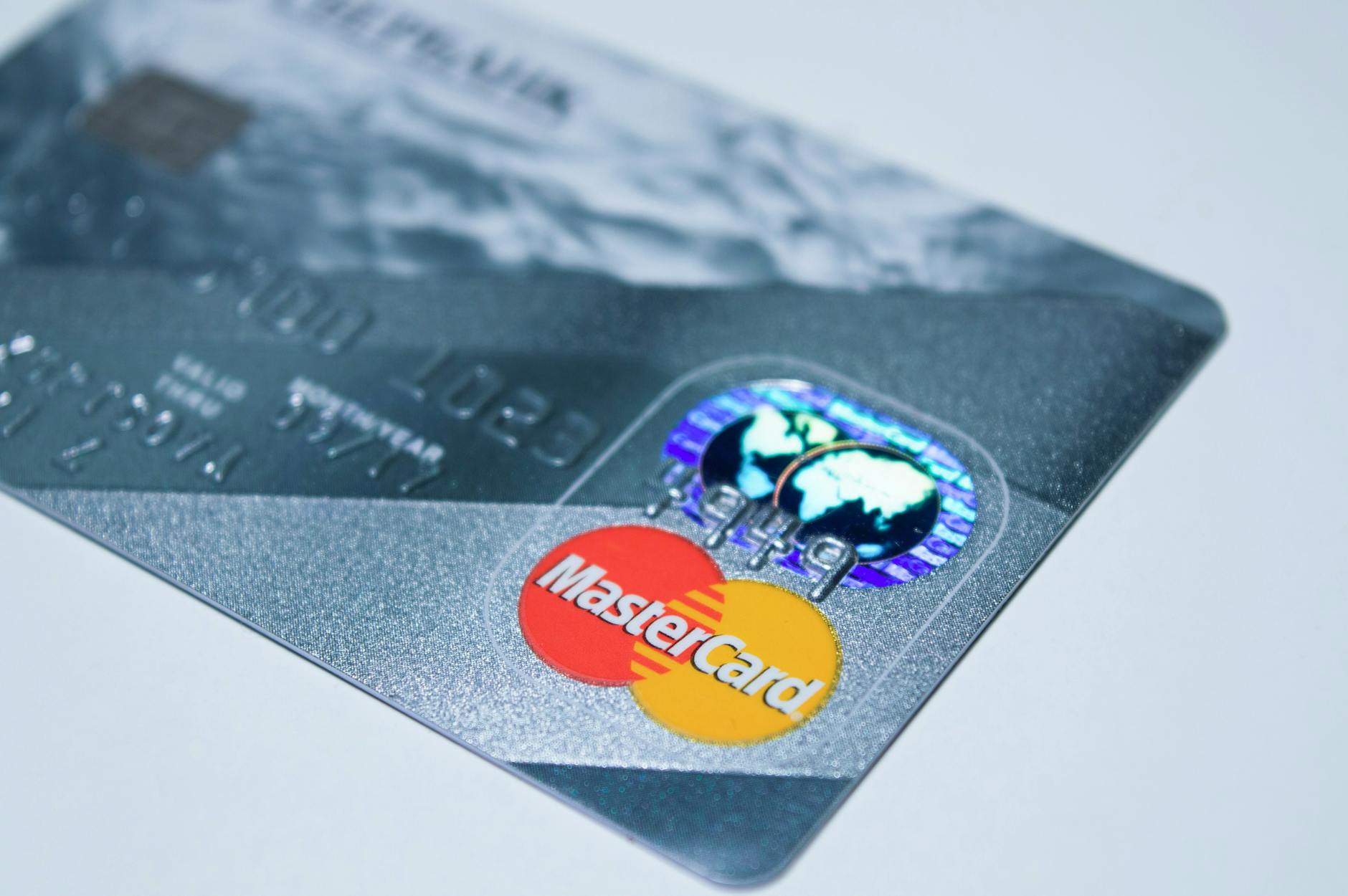
Photo by Pixabay
A credit-builder card is designed for people with limited or imperfect credit history. Limits are often low, and interest rates are often high. The trick is simple: you use it like a tool, not like extra income.
A safe routine that works for many new migrants:
- Put one or two small purchases on the card each month (for example, a travel pass or a grocery shop).
- Keep usage under about 30% of your limit (if your limit is £200, try not to go above £60).
- Set a Direct Debit to pay the full balance every month.
- Don’t apply for lots of credit products in the same month. Too many hard checks can make lenders nervous.
If you’re choosing between products, look for clear eligibility rules and transparent fees. This page from Vanquis on credit cards for new UK residents explains what lenders tend to look for and why approvals can be tricky at first.
One more calm reminder: paying “minimum payments” can build a record, but it can also keep you in debt. Paying in full keeps you moving forward.
Let rent and bills help your credit score (when reporting is available)
Rent is often your biggest monthly cost, yet it doesn’t always appear on your credit file by default. Some services and schemes can report rent payments to credit reference agencies, which can help if your file is thin.
To make rent and bills work harder for you:
- Pay rent from your bank account, so it leaves a clean trail.
- Put key household bills in your name where possible (broadband or energy, even if you share).
- Treat due dates like fixed points in the calendar, not vague ideas.
If a rent-reporting service charges a fee, be picky. Compare the cost to the benefit, and avoid anything that feels pushy or unclear.
For a broader view of how newcomers build a full credit profile, this guide from Nova Credit on building credit in the UK is helpful, especially if you’re trying to understand what UK lenders can and can’t see.
Create financial stability that lasts: budget, buffer, and stay out of trouble
Credit building is one lane. Financial stability is the whole road.
If your money is tight, you don’t need a perfect spreadsheet. You need a plan you can repeat when you’re tired, busy, or stressed. The goal is to avoid “small shocks” turning into debt: a rent rise, a travel cost, a broken phone, a last-minute flight home.
Make a simple budget you can stick to, even on a tight income
Start with what actually hits your account: your take-home pay.
Then build your budget in this order:
- Fixed costs (rent, council tax, utilities, childcare).
- Travel (commuting is a sneaky budget leak).
- Food (be honest, it adds up fast).
- Everything else (clothes, subscriptions, social spending).
If you like a rule of thumb, the 50-30-20 split (needs, wants, saving) can be a guide, not a strict rule, especially in high-cost areas where rent can swallow more than half.
Make budgeting easier with small habits:
- Use bank app categories and set spending alerts.
- Do a 10-minute weekly check-in (pick the same day each week).
- Keep one “boring” account for bills, so you don’t guess what’s safe to spend.
If you prefer learning by video, you can also browse money basics on https://www.youtube.com/@TheFinanceBlueprint-j8y.
Build an emergency fund that stops small problems becoming debt
An emergency fund isn’t about being rich. It’s about buying yourself time.
A simple tiered goal:
- First target: £200 to £500 (enough to stop a small issue becoming panic).
- Next: 1 month of expenses (rent, bills, travel, food).
- Longer-term: 3 to 6 months if possible.
Keep it in a separate savings account so it doesn’t blur into spending money. You want a small mental barrier, like putting the “break glass” kit in its own cupboard.
Use the fund for real emergencies: job loss, urgent travel, essential repairs, or unavoidable bills during a gap. Don’t use it for planned costs you can budget for.
This is where stability protects your credit. With a buffer, you’re less likely to:
- miss a payment,
- slip into an overdraft you can’t clear,
- reach for high-cost borrowing.
If you want another newcomer-focused perspective on building a strong financial future, this guide from 118 118 Money on navigating UK credit as a newcomer covers the same theme from a slightly different angle.
Conclusion
Building credit and financial stability as a new migrant is less like a sprint and more like planting a garden. The early work feels slow, but it pays you back for years.
Keep it simple with this checklist: open a UK bank account, lock down proof of address, set up Direct Debits, use a credit-builder card lightly and pay it off in full, pay rent and bills on time, stick to a monthly budget, and build an emergency fund.
This week, pick two actions and finish them. Next week, pick two more. Slow and steady builds trust, and once the system can see you clearly, doors start opening.