
Listen to this post: Globalisation 2.0: Are We De-Globalising or Just Rewiring Trade?
Picture this: container ships pile up at ports in 2025, horns blaring as cranes swing boxes from China to the US. Goods flood the world at record speed. Fast forward to early 2026. Those same ports quiet down. Tariffs bite, tech rules tighten, and ships reroute. Globalisation 2.0 marks this new phase, after the peak of freewheeling world trade in the 2010s. Are we truly pulling back from global links, or simply reshaping supply paths?
Global trade hit new peaks in 2025, with goods and services exports topping $16 trillion by mid-year, up sharply from before. UNCTAD reports strong growth of 3-4% for the full year, driven by electronics and electric vehicles. Yet forecasts point to a slowdown, around 2.6-2.7% in 2026 amid policy risks and weaker demand. What if trade isn’t dying but finding new routes?
In this piece, we look at the 2025 boom, signs of de-globalisation, proof of rewiring, and what it means for businesses and people. Fresh data from UNCTAD and WTO paints a clear picture.
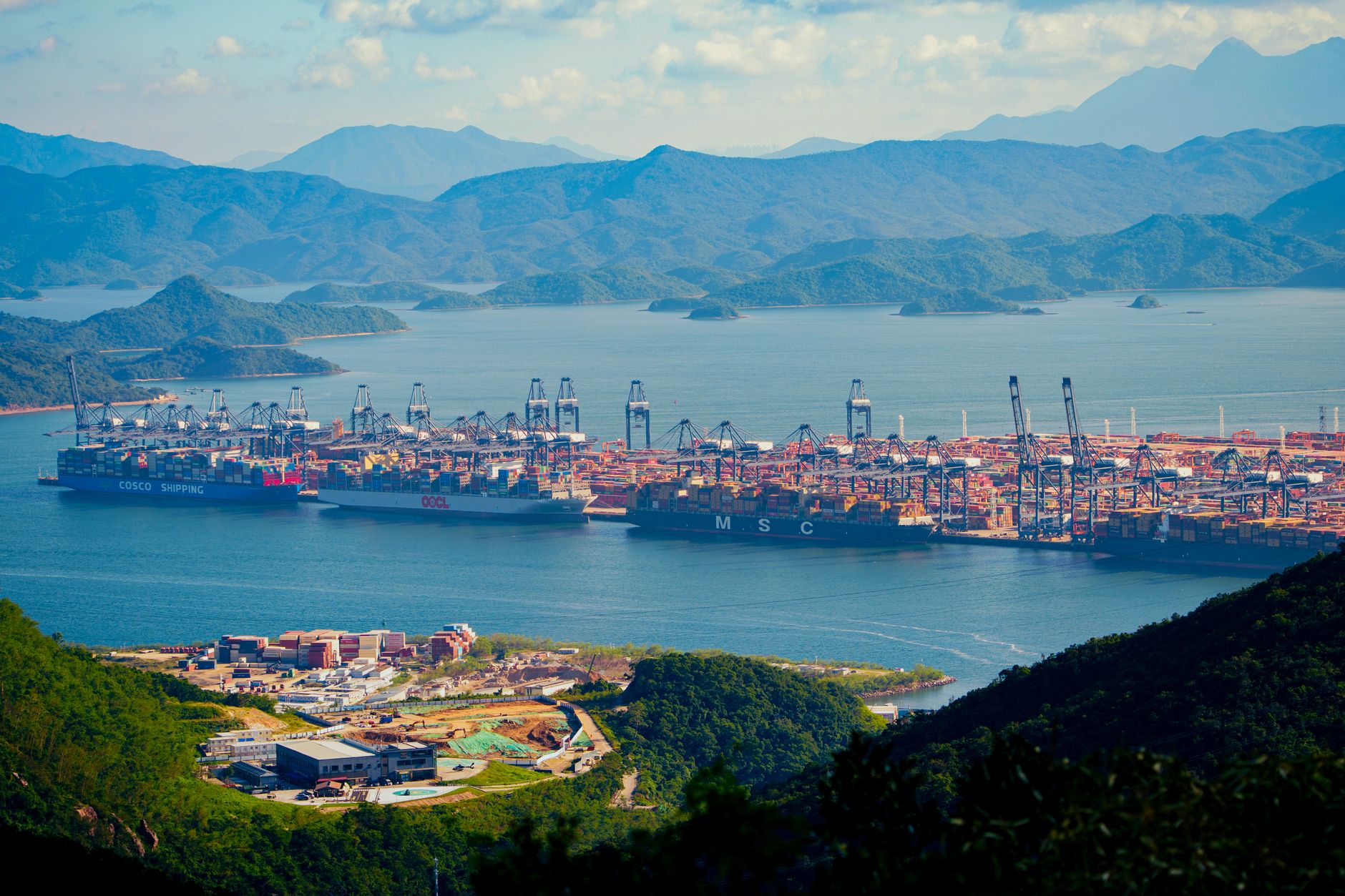
Photo by Ze Fan Lin
How Global Trade Surged to New Heights in 2025
Factories in Asia buzzed non-stop last year. Ships criss-crossed oceans, loaded with gadgets, clothes, and car parts. Merchandise trade jumped about 5%, services grew 6%, pushing total volumes close to $35 trillion annually. Services now make up 27% of trade, with digital services soaring 56%. South-South trade reached $6.8 trillion, as countries like India and Brazil swapped goods among peers.
This surge beat 2024 records. Electronics and electric vehicles led the charge. BYD and others saw EV exports climb 16%. UNCTAD notes goods trade rose 2-2.5% in early quarters, services rebounded to 4% by Q3. Imbalances shrank too, thanks to US policy tweaks that trimmed China’s surplus.
Compare this to Globalisation 1.0, when goods flowed with few barriers. Now, services shine brighter. Here’s a snapshot of growth forecasts shifting into 2026:
| Region | 2025 Growth | 2026 Forecast |
|---|---|---|
| Global | 2.8% | 2.6% |
| US | 1.8% | 1.5-2% |
| China | 5% | 4.6% |
| EU | 1.5% | 1.3% |
Ports hummed from Shanghai to Rotterdam. Workers loaded crates under bright lights. This boom shows trade’s strength, even as clouds gather. Businesses grabbed chances in fast lanes.
Yet 2025’s highs set the stage for tougher times ahead.
Clear Warnings of De-Globalisation Ahead
Walls rise around markets. US tariffs target China tech and minerals, EU green rules slow exports from afar. Public debt climbs, investment dips. These forces signal a pullback. US-China tensions already cut direct imports from China. WTO warns of split blocs, like US-led versus China-led spheres.
Trade policies spiked since 2019, with tariffs and restrictions from COVID, Ukraine, and rivalries. UNCTAD’s 10 trends shaping global trade in 2026 flags slower growth and protectionism. Countries like Mexico and Vietnam feel the pinch as chains fragment.
Imagine summits where leaders haggle over steel and chips. Full de-globalisation would mean borders shut tight, trade halved. We see partial retreat instead: growth dips, but flows persist.
Tariffs and Tensions Reshaping Flows
US hikes slam China, EU, and others. China pivots to ASEAN and EU markets. Leaders at G20 tables trade barbs over fair play. Atlantic Council reports note EU and ASEAN eyeing their own barriers. Flows bend, don’t break. Vietnam picks up slack as factories shift.
Growth Slowdown Signals Bigger Shifts
Forecasts drop across boards. Global dips to 2.6%, poor nations lag on internet access despite services boom. UNCTAD highlights policy risks in its Global Trade Update for January 2026. Regions face uneven paths: Asia holds firm, Africa trails.
| Region Impact | Key Challenge |
|---|---|
| US/EU | Tariff drag |
| China | Surplus squeeze |
| Developing | Infra gaps |
Ships sail slower, costs rise.
Why Rewiring Trade Beats Full Retreat
Trade adapts like a river carving new channels. Firms nearshore to Mexico from China, friendshore to allies in ASEAN. Regional blocs strengthen. Over half of Africa’s exports go to developing peers now. ASEAN grabs bigger shares. This isn’t collapse; it’s smart rerouting.
Vietnam’s factories boom with orders once bound for China. India hits 6.6% growth, Chinese EVs go global despite hurdles. Deloitte points to AI speeding these shifts. Factories hop borders to friendly spots, cutting risks from far-off suppliers.
UNCTAD data shows South-South trade thrives. Chains shorten for speed and safety. WTO’s report on resilience and reglobalization calls it a recalibration: shorter, digital, regional paths align with climate goals.
Businesses win with reliable flows. Picture trucks zipping across borders in North America, not waiting weeks at sea.
Nearshoring and Friendshoring in Action
US firms build in Mexico for quick US delivery. EU swaps China parts for ASEAN ones. Speed cuts stock needs; ties to trusted partners boost safety. Mexico’s plants fill with American brands.
Regional Blocs Gaining Strength
Asia’s chains tighten internally. Africa eyes Latin links, with growth at 5.6-6.6%. India and Africa promise big. South-South jumps fuel local jobs and pride.
What Globalisation 2.0 Means for You and the World
Businesses must tweak chains now. Hunt partners nearby, build skills in logistics. Countries need infra boosts and worker training. Jobs shift to regions like ASEAN and India; watch those spots.
Smart policies make trade tougher against shocks. Leaders who invest win. Workers gain in booming factories. Ready to spot the next factory move?
Optimism fits: trade finds paths around barriers.
In sum, 2025’s record flows and 2026 adaptations prove we’re rewiring, not de-globalising. Nearshoring, friendshoring, and regional shifts keep goods moving, even as tariffs rise. UNCTAD forecasts hold steady amid changes.
Stay ahead with CurratedBrief newsletters for geopolitics and market updates. What trade path will your business take? Share thoughts below. Trade always charts new courses.
(Word count: 1492)