
Listen to this post: Latin America’s Battle with Crime, Corruption and Inequality
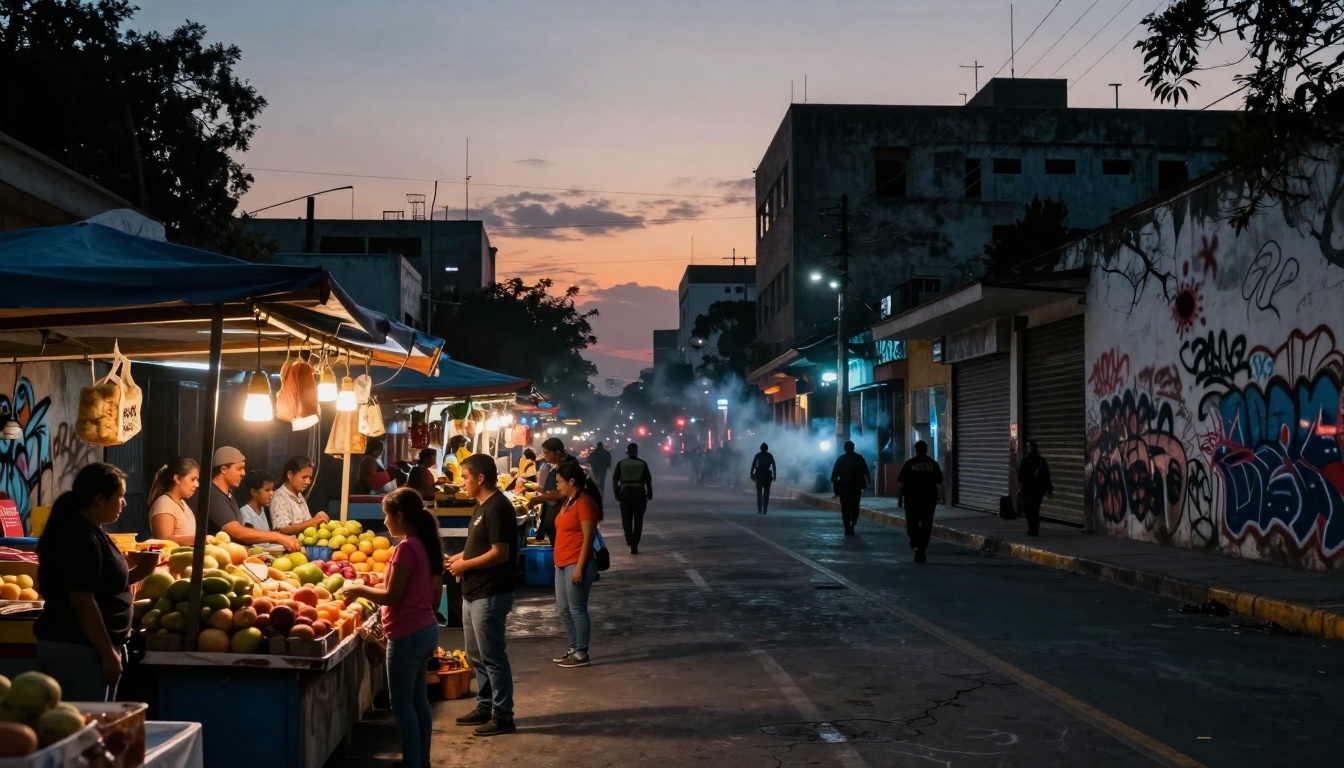
In Guayaquil, Ecuador, markets buzz with vendors hawking fresh fruit under the midday sun. Families shop, kids dart between stalls. But as dusk falls, tension grips the streets. Gunfire echoes from gang shootouts. Shopkeepers shutter early, fearing extortion rackets. This scene plays out across Latin America, where sky-high murder rates, scandals toppling leaders, and a vast rich-poor divide plague daily life. Ecuador logs 44.5 homicides per 100,000 people, up from 6.7 just years ago. The region’s Gini coefficient sits at 0.46, far above the OECD’s 0.32. These woes entwine: poverty breeds gangs, corruption shields cartels, violence traps the poor. Everyday folk pay the price in fear and lost futures.
This article breaks down the crime surge, deep-rooted graft, inequality’s grip, and glimmers of progress.
Gang Wars and Cartel Killings Fuel a Crime Wave
Cartels and street gangs turn cities into battlegrounds. Haiti tops the list at 62 murders per 100,000 in 2024. Ecuador’s rate hit 44.5 recently, a sharp climb from calmer days. Mexico reports around 24.9 per 100,000, with over 30,000 killings yearly. Brazil sees brutal raids by groups like the PCC. Prisons fall under inmate control, Latin Kings calling shots from cells. Kids face robbery on their way to school; buses halt amid blockades.
Drug routes snake from Colombia through Central America, pumping cash into violence. Cocaine floods north, cash buys guns smuggled south from the US. In Colombia, January 2026 marked the deadliest month yet, with turf wars spilling into towns. Bodies pile up in massacres. Yet El Salvador bucks the trend, dropping to 1.9 homicides via aggressive sweeps. Organised crime in Latin America thrives where poverty bites hardest, pulling youth into ranks for quick money.
Ecuador’s Rapid Slide into Chaos
Ecuador tumbled fast. Child homicides soared 640% since 2019. Over 90% of crimes go unpunished. President Noboa imposed curfews after prison riots and street takeovers. Gangs hit homes for protection fees. Once, under Correa, rates fell low. Now massacres claim hundreds yearly, from 30 in 2022 to 834 in 2023.
Mexico and Brazil’s Cartel Struggles
Mexico loses billions to cartel fuel thefts and hits. US-sourced guns arm groups like Jalisco New Generation, who downed a helicopter in 2025. Daily murders averaged 18 early this year, down slightly but still grim. Brazil’s Red Command sparks deadly raids; gangs control favelas, turning them into no-go zones.
Corruption Scandals Undermine Trust in Leaders
Graft erodes faith in governments. Mexico scored lowest on recent perceptions indexes. The Odebrecht scandal lingers, with few punished. PEMEX bribes ran into millions, officials pocketing oil cash. In Argentina, a $LIBRA crypto crash linked to Milei’s circle hurt IMF talks. Venezuela hit a dismal score of 10. Politicians cosy up to cartels for votes or funds, stalling crackdowns. Bribes buy silence; judges look away. Public coffers drain, leaving streets undefended. Corruption scandals in Latin America 2026 reveal how leaders prioritise pockets over people.
High-Profile Cases Rock Mexico and Argentina
PEMEX saw convictions like Rovirosa’s for over $150,000 in bribes. Fuel thefts tie to cartels, costing billions. Argentina’s Milei endorsed crypto schemes that crashed, sparking probes and denting reform cred.
Inequality Traps Millions in Poverty Cycles
Half the world’s most unequal nations cluster here. Colombia’s Gini nears 54.8; the region averages 0.46. Elites in gated towers overlook sprawling slums. Maids clean mansions by day, dodge gangs at night. Dual economies split: formal jobs for few, informal scraps for masses. This fuels unrest and easy gang recruits. Youth see no path out, so they join for status. Growth limps at 2.3% in 2025, 2.1% projected for 2026. Crime and graft worsen the split. For deeper data, check the Income Inequality Series for Latin America or Gini coefficient trends.
Wealthy enclaves boast pools and guards. Slum dwellers share one tap among dozens. No wonder protests erupt; inequality breeds despair.
Policies and Success Stories Offering Real Hope
Leaders fight back. El Salvador arrested 78,000 suspects, slashing homicides to 1.9. Noboa in Ecuador cut rates briefly, though rebounds hit. Mexico boosts social spending; Paraguay and Uruguay invest in youth jobs. US aid targets gangs; an EU-Mercosur deal eyes trade boosts. Right-wing shifts stress law and order. But without strong courts and work schemes, gains fade. Reducing crime in Latin America needs both fists: tough policing plus opportunity.
See the IMF’s take on violent crime’s economic toll.
Steady Gains Demand Bold Action
Latin America’s woes link tight: 44.5 homicides in Ecuador, 0.46 Gini, scandals like PEMEX. Crime feeds on inequality; corruption shields it all. Tough arrests work, as in El Salvador’s drop to 1.9. But pair them with fair courts, jobs, and aid to last.
Watch 2026 elections for shifts. Follow CurratedBrief for updates on these battles. What change will tip the scales?