
Listen to this post: How the Sahel Crisis is Reshaping Security Thinking in Europe and Africa
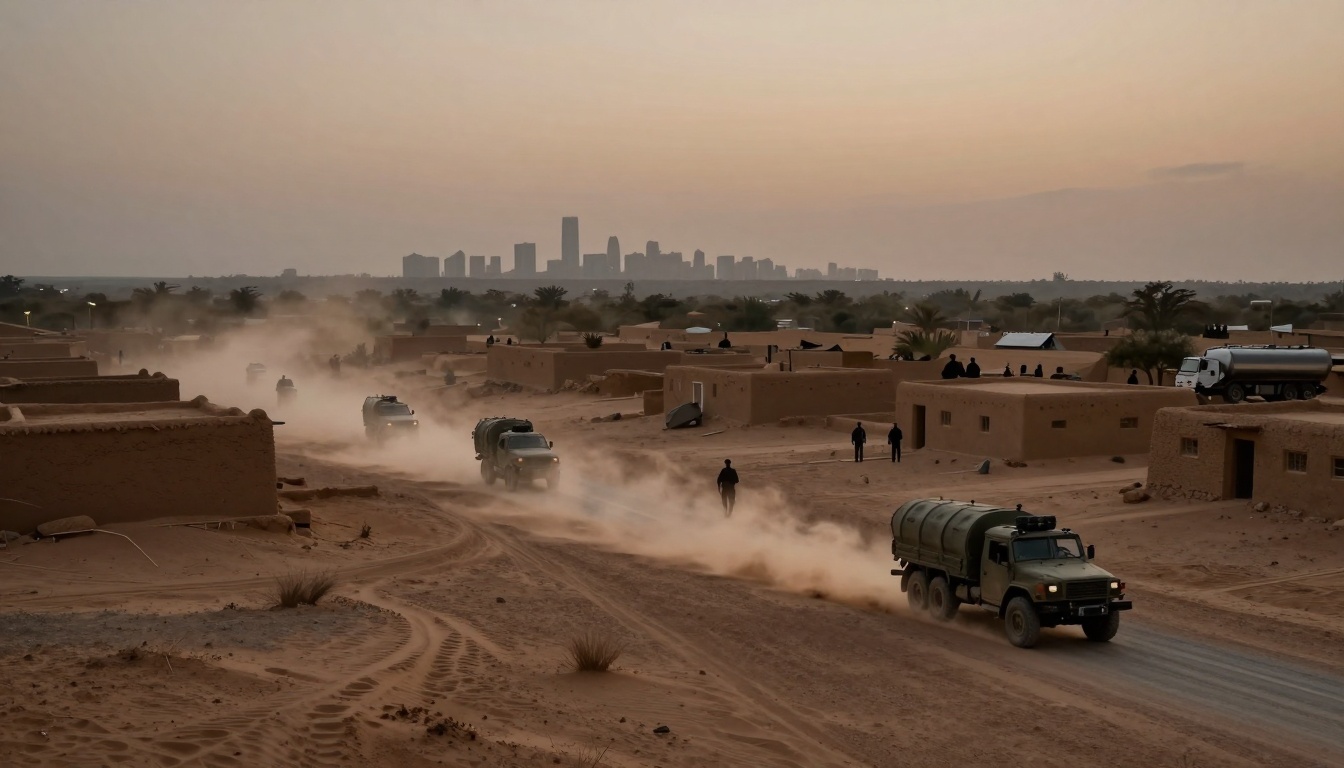
Dust swirls through villages in Mali’s Kayes region. Families pack what they can as jihadists close in, blocking roads and stealing fuel tankers. Gunfire echoes at night, hunger gnaws by day. This is the Sahel crisis in January 2026, where groups like JNIM and Daesh hold sway in Mali, Burkina Faso, Chad, and Niger. Over 4.8 million people have fled their homes, the highest number anywhere. Jihadists now eye Bamako, Mali’s capital, after bold blockades. Neighbours scramble to grab fuel supplies. Hunger threatens 55 million across West and Central Africa.
These troubles reach far beyond sandy borders. Europe’s streets feel the ripple through migration waves and terror plots. Africa’s leaders rethink old plans amid coups and failed pacts. Security thinking shifts fast: Africa forges local ties, Europe swaps soldiers for aid and home defences. CurratedBrief tracks these global events to help you stay ahead.
Africa’s Fight Back: New Alliances Amid Endless Attacks
Jihadists press on in the Sahel. JNIM sets up rackets in western Mali, hitting transport lines and population centres. JNIM attacks in western Mali reshape the conflict, as they target the junta’s weak spots. Daesh fights turf wars in Burkina Faso. No fresh coups shake the scene, but chaos grows. States lose grip on vast rural areas. Patrols along Mali-Senegal borders offer slim hope, yet lack formal anti-terror networks.
Displacements pile up. Chad shelters 1.5 million uprooted souls. Burkina Faso counts over 2 million inside its borders. Herders abandon livestock to militants and crowd into cities like Abidjan. Empty villages dot the map. Aid trucks halt at checkpoints, worsening the mess.
Old groups like the African Union falter. Sahel juntas pull from ECOWAS and form the Alliance of Sahel States with a new bank, TV station, and joint forces. Will the Mali-Niger-Burkina Faso bloc reshape the Sahel? They treat the region as a resource fight, eyeing minerals and fuel. Coups fuel this scramble, but without wider unity, a permanent war looms. Can neighbours halt the spread on their own?
Local pushback stirs. Villages form watch groups. Soldiers raid jihadist camps in the bush. Yet fighters slip back, using fear and hunger as weapons.
Jihadist Gains and Local Pushback
JNIM runs protection rackets and kidnappings. One UAE ransom fetched millions, funding more guns. Daesh clashes push south into stable zones. Instability breeds daily violence: ambushes on markets, bombs on roads.
Patrols multiply along borders. Senegal joins Mali in joint sweeps. No big anti-terror web exists yet. A herder in Chad tells of hiding his family as fighters burn huts. Soldiers arrive late, if at all. These gains force states to act local, fast.
Human Costs Driving Urgent Changes
Hunger scenes haunt the land. In Mali, cities starve as blockades bite. 55 million face crisis levels in the lean season ahead. Rations cut sharp since 2023; 64 per cent more acute cases in some spots.
Displacements mix with dry spells and floods. Families trek miles, kids swollen from want. This toll flips security plans. African states ditch failed multilateral talks for home-grown resilience: guard food routes, arm locals. Old aid models crack under pressure.
Europe Pulls Back: From Boots on Ground to Smarter Shields
Europe once sent troops deep into the Sahel. France pulled from Mali and Burkina Faso after juntas rose. Now, no big boots remain. Soldiers face jihadists alone as terror risks spill over. JNIM dreams of sea access through coastal grabs.
Focus turns to bilateral aid against JNIM threats. No grand EU army plan emerges. Instead, cash flows to resilience: fix land for $30 return per dollar spent. Anticipatory aid cuts migration roots. Yet EU funds lag; WFP needs $453 million more.
Direct fights flop. Home threats demand prep: track plots, stem flows. Sahel jihadists extend their reach. Europe eyes organised crime too, drugs and people routes to its shores. Will aid hold back the waves?
Juntas boot Western forces, court Russia for arms. Europe hedges with targeted help.
Military Drawdowns and Fresh Strategies
Withdrawals mark the end of old eras. France exits, others follow. Bilateral deals fill gaps: training, drones for Mali. No EU force steps up. Terror export fears grow as groups eye south and sea.
Strategies shift to shields, not swords. Prep borders, share intel. Local armies bear the brunt now, stretched thin.
Migration and Aid as New Defence Lines
Displaced pour toward Europe. Over 4 million on the move spark boat tragedies. Hunger loops with security: no food means more recruits for jihadists.
Smart aid breaks it. Plant crops early, restore 300,000 hectares to feed 4 million. This curbs flows better than walls. Europe bets on roots over reactions.
Paths Forward: Can Europe and Africa Team Up Better?
Joint paths beckon. African Union needs reform: include youth, women, displaced in talks. Pan-African bonds strengthen beyond juntas. Europe-Africa pacts skip rivalry for shared wins.
The multi-aligned Sahel calls for EU role tweaks. Russia and others vie for minerals; Europe must stay engaged. Risks loom large if ignored: endless wars lock in, spills hit coasts.
Bright spots shine. Land fixes yield food fast. Local prep guards villages. 2026 tests lean toward unity. What if they join forces now? Protect people first, build peace before polls. AU leaders push this at summits.
Old deals fail as fighters weaponise fear. New plans stress food security, governance roots. Juntas can’t win solo; crisis drags on without change.
Steady Shifts Toward Smarter Security
The Sahel crisis flips playbooks. Africa builds pacts like the Sahel Alliance amid jihadist surges. Europe drops troops for aid and resilience, eyes migration roots.
Track these turns with CurratedBrief newsletters. Personalise your My Feed for real-time updates on global events.
Unity offers hope over chaos. Leaders grasp this; action follows. What step will you take to stay informed?