
Listen to this post: Top Global Risks in 2026: Why Leaders Can’t Ignore Them
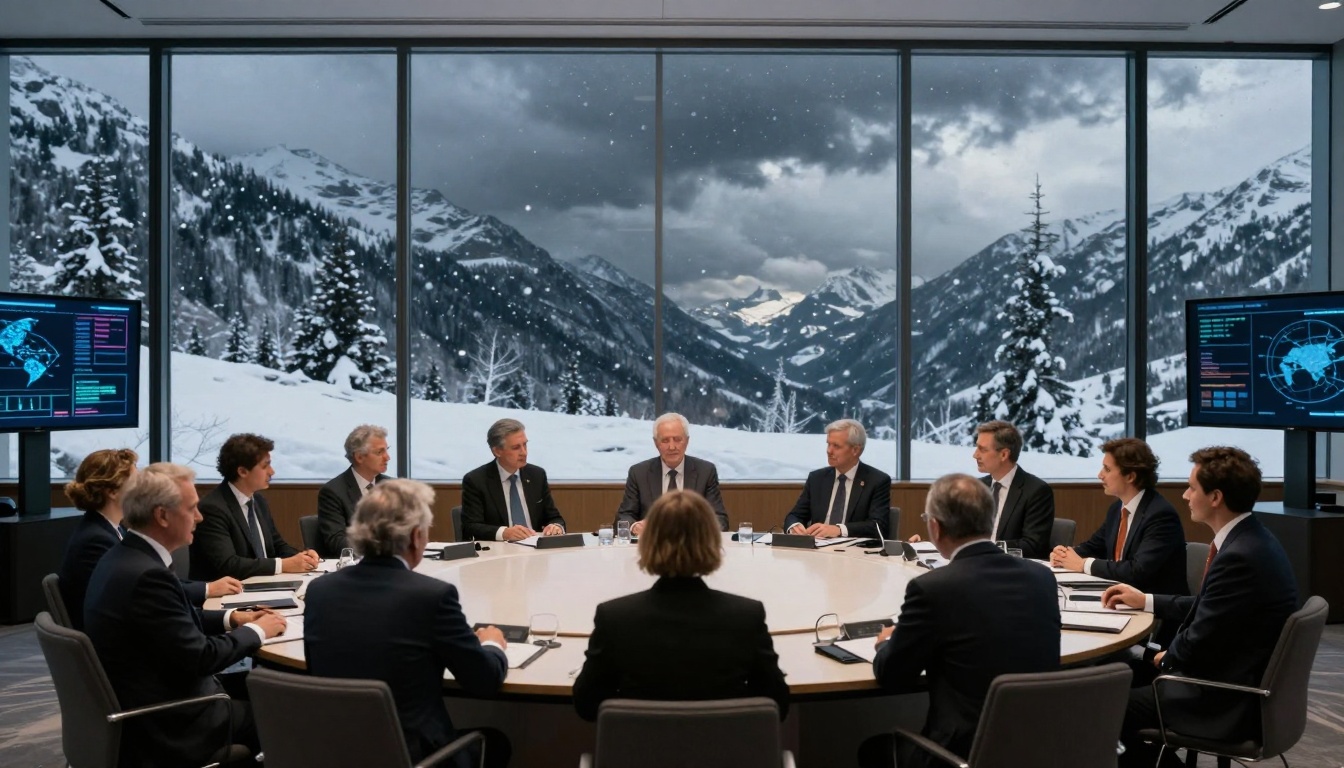
Picture global leaders gathered in Davos this January 2026. Snow falls outside as tense talks fill the rooms inside. Headlines scream about fresh trade barriers and wild storms battering coasts. The World Economic Forum’s Global Risks Report 2026 drops like a bombshell, pulling views from over 1,300 experts. It pins geoeconomic confrontation as the top short-term threat. State-based armed conflict sits second. Misinformation and disinformation claims third. Societal polarisation follows at fourth, with extreme weather events fifth.
Half of those experts predict turbulent times ahead for the next two years. These risks do not stand alone. They tangle up, slamming economies with higher prices, splitting communities, and upending daily lives. Leaders worry because businesses face broken supply chains, governments battle unrest, and families cope with floods or job cuts.
This piece breaks down the top risks. It shows why they top the list and hit so hard. You will see clear impacts, from empty shop shelves to divided towns. Leaders lose sleep over them for good reason. Stay sharp on these now, as they shape 2026 and beyond. Read the full Global Risks Report 2026 digest from the WEF for deeper data.
Geoeconomic Confrontation Leads the Pack in 2026
Countries now wield tariffs, export bans, and supply chain blocks like weapons. This geoeconomic confrontation tops the risks list for 2026 and the next two years. It jumped eight spots from last year. Some 18% of experts name it the likely crisis trigger. Picture factories grinding to a halt because parts cannot cross borders. Food prices climb as shipments stall.
The WEF calls this the “age of competition,” marked by low trust between nations. Big powers split into blocks. They slap sanctions on rivals and hoard key resources. Recent tensions show it in action. Think export curbs on chips or rare earth metals. These moves choke tech firms and car makers alike. Businesses scramble as costs soar.
Leaders fret because it ripples wide. Trade flows break. Inflation bites consumers. Jobs vanish in export-heavy sectors. It links to bigger downturns too. Check the WEF’s top 10 risks breakdown for 2026 to see the full short-term rankings.
What Sparks These Economic Battles
Protectionism fuels the fire. Nations shield home industries with high tariffs. Resource grabs add heat, as countries eye oil or minerals. Tech rivalries sharpen the edge. AI and semiconductors spark bans between the US and China.
Last year worsened it all. Debts piled up. Fights over green tech split allies. Imagine a British factory idling. No steel arrives from blocked routes. Workers clock out early. These battles stem from fractured trust. No quick talks fix them.
Everyday Hits from Trade Weapon Fights
You feel it at the pump. Petrol costs more as oil trades stutter. Supermarket shelves thin out. Rice or electronics jump in price. Inflation spikes hit wallets hard.
CEOs watch global chains snap. One ban cascades into shortages everywhere. Politicians face voter anger over empty stocks. Markets shake with every new tariff tweet. In the UK, import reliance means pain first. Leaders see recessions brewing from these fights.
Armed Conflicts Between Nations and Wild Weather Close Behind
State-based armed conflict ranks second. It draws 14% of top picks from experts. Wars between countries simmer hot. Proxy battles risk turning direct. Extreme weather events hold fifth short-term but lead long-term views. Storms and floods smash records.
Leaders worry over drained budgets and fear waves. Conflicts displace families. Weather wrecks homes and farms. Human costs mount fast. Displaced people flood borders. Crop failures spark hunger. These pair with geoeconomics, as wars block trade too.
Short-term shifts favour economic woes. Yet weather dominates over ten years. Stats from the WEF press release on 2026 risks highlight the climb in geopolitical threats.
Why Wars Between Countries Rank So High
Borders flare up. Old rivals clash over land or seas. Links to economic fights pull in more players. Picture front lines in Europe or Asia. Shells fall. Cities crumble.
Refugee waves follow. Millions flee bombs. Governments strain under camps and aid costs. Tensions spread. Allies pick sides. Resources pour into arms, not schools. Experts see it climbing as trust erodes.
Extreme Weather’s Growing Punch
Floods swallow villages. Heat waves kill outdoor workers. Crops rot in drowned fields. UK summers bake records. Winters flood streets.
It dipped short-term but rules long-term lists. Climate change amps the fury. Leaders prep for insurance hikes and rebuild bills. Farmers eye barren land. Families pack soggy homes. Ties to migration grow as coasts vanish.
Societal Rifts, False Info, and Downturn Fears Fuel the Fire
Societal polarisation sits fourth. Deep divides split groups. Misinformation and disinformation rank third. Fake news floods feeds. Economic downturn climbs top ten, up eight spots from debt piles.
Inequality threads them tight. Rich-poor gaps widen anger. Polarisation stirs unrest. Lies sway votes. Recessions axe jobs. WEF notes polarisation as a years-long top pick. It connects most risks.
Imagine your town cleaved. One side shouts climate hoax. The other decries migrants. Fights erupt online first, then streets. See CNBC coverage of WEF’s 2026 risks including AI downsides for business angles.
How Divides Tear Communities Apart
Views clash hard. Cost squeezes push extremes. Left battles right on screens. Families skip gatherings over politics.
Riots brew from sparks. Trust in leaders fades. Elections turn bitter. UK sees it in Brexit echoes. Inequality fans flames. Low earners blame elites.
Fake News and Recession Shadows
Lies spread like fire online. Deepfakes fool crowds. Elections flip on bots. Trust crumbles.
Debt bubbles burst next. High rates choke spending. Firms cut staff. Shops shutter. Inflation lingers from trade woes. These climb fast as AI jobs vanish. Leaders brace for street protests.
Leaders grasp the web of threats in 2026. Geoeconomic clashes spark wars and weather ignores borders. Polarisation amplifies lies. Downturns crush hopes. Yet past crises birthed fixes. Think post-war booms or ozone heals.
Watch trade headlines close. Build ties in your community. Stock basics for tough times. Davos talks this week push action. Half the experts see storms, but smart steps calm them.
Hope lies in teamwork. Nations cooperated on vaccines before. They can on climate or trade. Subscribe to CurratedBrief for daily briefs on these shifts. Share your top worry below. What risk keeps you up? Act now shapes tomorrow.