
Listen to this post: Do Sanctions Ever Stop Wars – Or Just Change Their Shape?
In February 2022, Russian tanks rolled into Ukraine. Western leaders responded fast. They slapped on sanctions: bank freezes, oil bans, tech blocks. Shops in Moscow emptied at first. Yet by January 2026, the war grinds on. Missiles fly. Drones swarm. Russia finds workarounds. Do sanctions ever stop wars? Or do they just twist them into new forms?
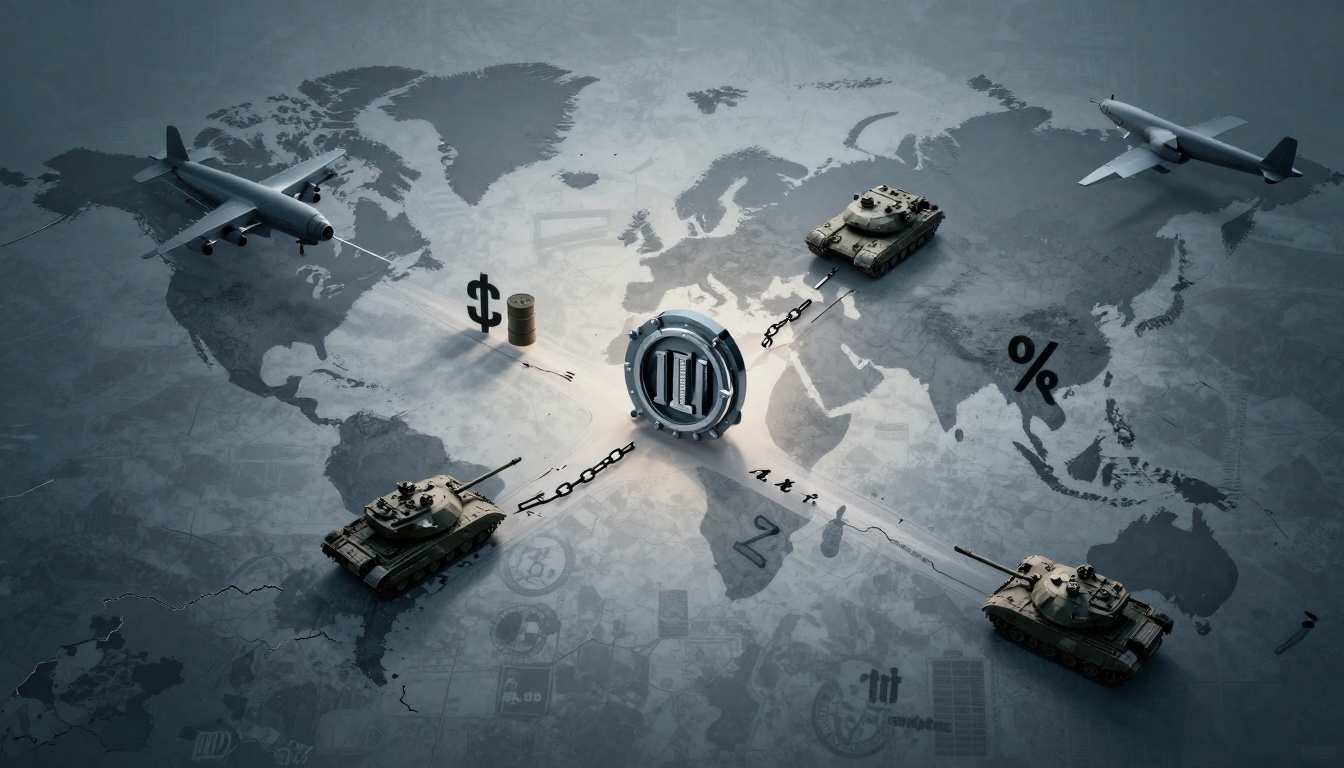
Sanctions hit a nation’s money supply. Governments cut trade. They freeze assets. They ban exports. The goal stays simple: make war too costly. Force leaders to back down. But history paints a mixed picture. Studies show they succeed just 31 to 35 per cent of the time. They often drag out pain for ordinary people while rulers adapt. As sanctions and economic pressures evolve, nations must navigate the intricate landscape of global energy shifts in 2026. With alternative sources of energy gaining traction, traditional power dynamics could face unprecedented challenges. Countries might find themselves reevaluating alliances and strategies as they respond to these changes in the energy sector.
This post looks back at old cases like Iraq and Yugoslavia. It checks fresh fights in Ukraine, Iran, and beyond. Readers will see why sanctions sometimes slow battles. Other times they spark new paths. Backed by facts and expert takes, you’ll spot patterns. Picture leaders dodging blows like boxers in a ring. Empty markets at home. Allies abroad. Clear insights ahead.
Key Lessons from Sanctions in Past Wars
Sanctions date back decades. They promise peace without bullets. Yet wars rarely end clean. Take the 1990s. Nations tested them hard. Iraq invaded Kuwait in 1990. The UN stepped in. Oil sales halted. Trade stopped. The economy shrank by half. Children went hungry. Saddam Hussein weakened his army. But peace? No. The Gulf War followed in 1991. Sanctions hurt troops. They did not break the will. Later rounds led to invasion in 2003. Leaders learned tricks. They smuggled oil. They blamed foes. Civilians paid the price.
Yugoslavia broke apart in blood. Bosnia burned. Kosovo followed. UN sanctions targeted Serbia. They cut fuel and arms. Factories idled. Inflation soared. Fighting slowed a bit. Leaders felt the pinch. But the wars dragged. Hardship mounted. Refugees fled. Sanctions pushed talks. Yet they came late. Data shows this pattern. A study of 170 cases found sanctions prolong suffering nine times out of ten. They shift fights. Ground troops yield to sieges. Small threats from the League of Nations in 1921 worked better. They scared without full pain.
Experts note early signs. Sanctions work on weak foes. Strong ones pivot. They rally crowds around flags. Wars change shape: from blitz to grind.
Iraq’s 1990s Sanctions: Pain Without Peace
August 1990. Iraq grabs Kuwait. UN Resolution 661 bites quick. No oil exports. No imports over basics. GDP drops 75 per cent by 1995. Black markets boom. Saddam sells oil under tables. Sanctions kill 500,000 kids, per some counts. Army rusts. But he holds power. US leads coalition. War comes in 1991. Sanctions weaken foes before bombs fall. They do not stop the grab.
Post-war, “Oil for Food” eases grip. Smuggling thrives. UN loses track of billions. By 2003, another war topples him. Sanctions bought time. They starved the weak. Leaders dug in. No peace treaty. Just regime change via force.
Yugoslavia’s Struggles: Slowing Fights, Not Ending Them
Serbia backs militias in Bosnia. UN sanctions hit in 1992. Arms embargo. Flight bans. Oil cut 90 per cent. Economy craters. Hyperinflation hits millions per cent. Milosevic sues for talks. Dayton Accords sign in 1995. War pauses. Kosovo flares in 1999. NATO bombs follow. Sanctions slow tanks. They force seats at tables. But 200,000 die first. Civilians queue for bread.
Sanctions bend paths. Fights turn from open fields to shadows.
Testing Sanctions Today: Russia, Iran, and Stubborn Foes
Fast forward to now. January 2026. Ukraine war rages four years. Western sanctions pile up. Over 16,000 on Russia. Banks cut off. Oil capped at 60 dollars a barrel. Tech chips vanish. Russia’s advance stalls near Kharkiv. Supplies thin. Yet drones from Iran fill gaps. North Korea sends shells. China buys oil. Economy dips five per cent in 2022. Then rebounds via shadows. Putin rallies home front. “West attacks us,” he says. War shifts to attrition.
Iran faces nuclear heat. Sanctions since 2006 slash oil half. Proxies fund fights. China steps in. Talks yield 2015 deal. Trump pulls out. Biden squeezes. Iran enriches uranium anyway. North Korea starves under decades of bans. Tests missiles yearly. Allies prop it up. Venezuela’s Maduro shrugs oil hits. Economy halves. He clings with Russian cash.
Stats match history. Sanctions fail 65 to 69 per cent against big goals. They reroute trade. Wars morph. For deeper analysis on Russia’s adaptation, check this Economics Observatory piece on lessons three years in. Or see Brookings on whether sanctions alter conflicts.
Russia’s Ukraine Invasion: Sanctions Bite but Don’t Break
February 2022. Tanks cross borders. SWIFT boots banks. EU bans coal. US freezes yachts. Russia spends 40 per cent of budget on war. Plane parts scarce. Output halves. Yet India refines oil. Turkey ships tech. Over 13,000 missiles fired since. Iran drones kill hundreds. Pyongyang aids too. Sanctions slow jets. Ground war drags. Putin pivots east.
GAO reports in 2025 note circumvention. Shell firms hide owners. Agencies lack clear targets. War grinds on. Soldiers dig trenches.
Iran and North Korea: Mixed Results on Big Threats
Iran’s nuclear push slows. Oil exports drop from 2.5 to under one million barrels daily. 2015 deal freezes centrifuges. Sanctions pair with talks. Yet proxies strike Israel. China imports rise. No full halt.
North Korea endures. GDP per head under 1,500 dollars. Missiles fly over Japan. Russia trades coal now. Venezuela mirrors. Oil bans since 2017 tank output. Maduro wins votes amid lines. China lends billions. Partial wins emerge. No collapses.
What Really Makes Sanctions Work or Backfire
Success hinges on mix. Broad coalitions win 51 per cent. G7 plus allies squeeze hard. Moderate pressure nudges. Pair with talks or troops. Iraq fell to bombs after sanctions. Yugoslavia bent to NATO.
Harsh ones backfire. Rallies form. Leaders blame outsiders. Oil states last longest. Venezuela pumps less but sells high. Russia earns via India. Autocrats adapt fast. Hurt hits kids first. Schools close. Meds vanish.
Data spells it. Hufbauer study: 34 per cent full wins. They buy time mostly. Shift wars from fast strikes to slow bleeds. Japan in 1941: oil bans push Pearl Harbor.
To judge ahead, watch coalitions. Diplomacy seals deals. Force backs bites. Alone, sanctions reshape fights. For recent takes on US strategy shifts, read this IGCC blog on sanctions evolution.
Conclusion
Sanctions rarely halt wars outright. History from Iraq to Ukraine proves it. They inflict pain. Economies twist. Fights change: blitz to grind, open to proxy. Data backs the 30 to 40 per cent success mark. Human costs mount high. The impact of sanctions on civilians often exacerbates already dire situations, leading to increased suffering and hardship. As basic necessities become scarce due to restrictions, communities are pushed further into despair. The long-term consequences of this suffering can destabilize regions and fuel further conflict, creating a cycle that is difficult to break.
Pair them smart. Talks, aid, or arms tip scales. In 2026 clashes, watch for mixes. What if Ukraine aid surges? Will Russia fold? Think on today’s headlines. Share your view below. Stay sharp on global shifts.