
Listen to this post: Are We Underestimating the Risk of an Accidental Great-Power Clash?
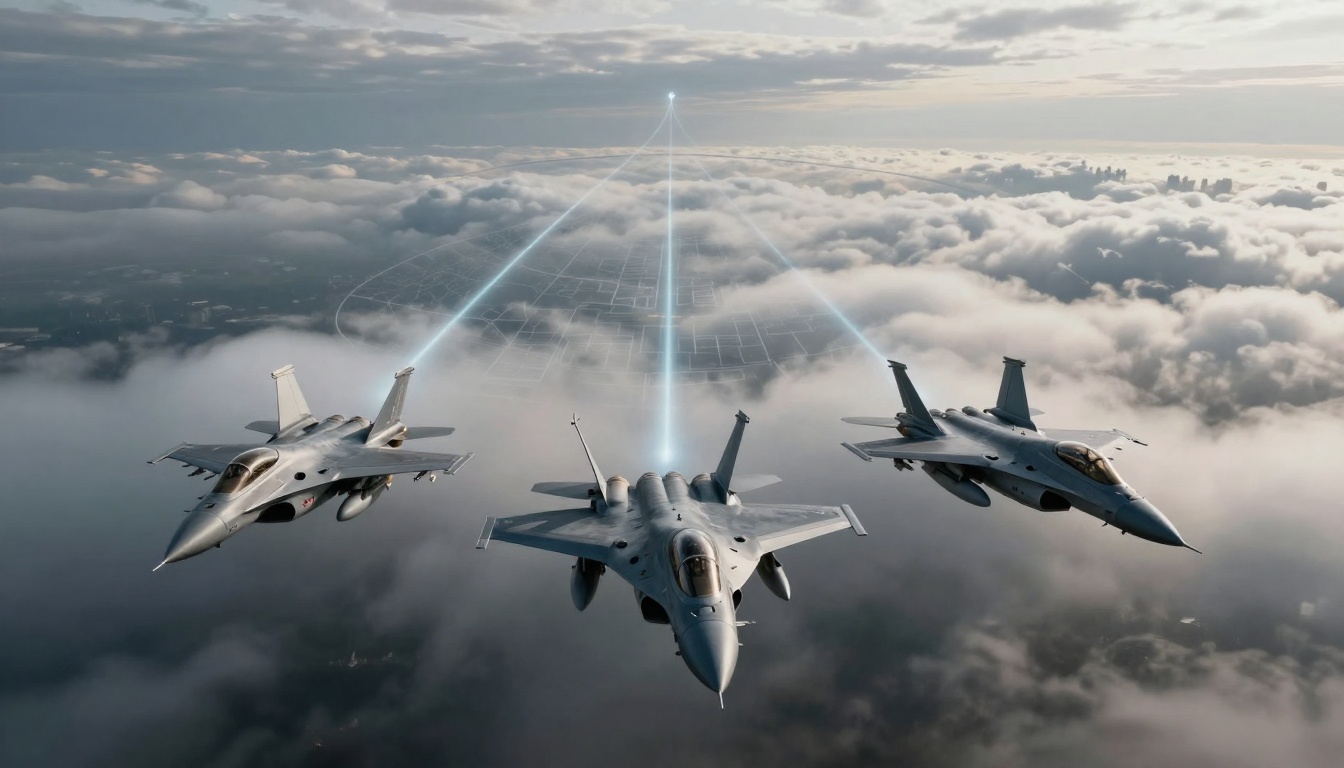
Picture a lone pilot veering off course in a crowded sky. One nudge from a rival jet, and alarms blare. Radars light up. Within hours, missiles arm, and leaders scramble. It’s not a film plot. It’s how a great-power clash could ignite by accident, like a spark in parched grass racing into wildfire.
Are we underestimating this risk between the US, China, and Russia? History screams yes. Recent scares pile up. Yet we brush them off. This post looks at Cold War close calls that nearly ended us all. It covers fresh incidents in 2026 hotspots. It explains why experts say we ignore the dangers. And it shares steps to pull back from the edge.
In January 2026, tensions simmer higher than ever. Planes buzz Taiwan. Ships shadow each other in the South China Sea. Russia’s probes test NATO. One slip could drag billions into war. These aren’t distant threats. They shape our world right now. Time to face them head-on.
History’s Closest Brushes with Accidental Disaster
The past holds grim lessons. Great powers stumbled into near-disasters through bad signals and raw nerves. Patterns from the Cold War echo today. Misreads of intent nearly sparked nuclear hell. Leaders stared down the abyss, sweat beading on brows as clocks ticked.
Fog of war blinded both sides. A drill looked like attack. Ships steamed nose-to-nose. Secret deals averted doom at the last second. These stories warn us. The same blind spots lurk in modern skies and seas.
The Cuban Missile Crisis: Thirteen Days of Nuclear Brinkmanship
October 1962. US spy planes spot Soviet missiles in Cuba, 90 miles from Florida. Kennedy faces a nightmare. Invade, and Moscow hits back. Bomb them, and subs launch nukes. He picks a naval blockade.
US ships form a steel ring. Soviet vessels charge forward through choppy Atlantic swells. Radars track every move. Khrushchev sends muddled messages. One wrong word, and captains fire. Tensions peak as subs dodge detection, torpedoes primed.
A secret pact saves the day. Soviets pull missiles from Cuba. US ones leave Turkey quietly. Thirteen days pass. The world exhales. Yet a single ship’s itchy trigger finger could have flipped the switch. Miscommunication almost wrote our end.
Able Archer 1983: A Fake Drill That Felt All Too Real
Fast-forward to November 1983. NATO runs Able Archer, a routine exercise. It simulates nuclear war with coded signals and troop shifts. To Moscow, it reeks of real prep for first strike.
Soviet leaders panic. KGB reports claim US plans attack. Generals raise alerts. Nuclear bombers fuel up. One misread cable pushes them to launch codes. Reagan learns later how close it came.
Drills blurred into reality. Radios crackled with fake orders that sounded true. Paranoia gripped the Kremlin. The exercise ends. No shots fired. But it proves how practice can mimic war, sparking panic in rivals patrolling nearby.
These brushes show risks repeat. Crowded operations breed errors. Today’s joint patrols carry the same chill.
Fresh Near-Misses Keeping Tensions High in 2026
Skies and seas buzz with rivals in 2026. US and Chinese planes weave through Taiwan Strait airspace. Ships prowl the South China Sea’s tight chokepoints. Russia’s bombers skim Alaska. No deaths yet. But close calls mount, like cars on a rain-slicked motorway.
China logged over 3,600 incursions into Taiwan’s air defence zone in 2024. That pace holds into 2026. Late 2025 saw live-fire drills blocking paths. A US destroyer shadows a Chinese carrier. Wings clip. Or a Philippine supply boat rams a militia vessel, water cannons blasting.
In the Taiwan Strait, a late 2025 collision rocked both sides. A Chinese navy ship struck a US destroyer. Casualties mounted. Crisis talks averted escalation, but scenarios paint wider war. South China Sea stays volatile. Chinese hulls bump allies, injuring crews. These aren’t soft nudges. They risk chain reactions.
Russia stirs NATO borders. Drones buzz edges. Planes force intercepts over the Baltic. Arctic routes open with melting ice. Subs lurk beneath. Council on Foreign Relations logs even odds for Russia-NATO clash this year. For details on global crisis hotspots in 2026, see this analysis.
Busy zones up odds. Drills snarl routes. Pilots chase tails in seconds. One crash, and fingers hover over buttons. Fatigue bites after endless patrols. Radars glitch. Commands lag. We’re one bump from blaze.
Why Experts Warn We’re Downplaying These Dangers
Think tanks sound alarms. The Council on Foreign Relations pegs even chances for Taiwan or Russia-NATO crises in 2026. 80,000 Hours estimates 10 to 50% risk of great-power war soon. Atlantic Council says 40% expect world war by 2035.
Hotspots cluster. Taiwan tops lists, with Beijing eyeing control. South China Sea chokepoints invite blocks. Arctic melts into contest. NATO flanks face Russian feints. Arms races lower bars. Faster missiles mean less de-escalation time.
We downplay it. Public eyes lag behind briefings. Leaders tout strength over caution. Triangular US-Russia-China ties tangle risks. One flare-up pulls others. Check the greatest danger in the Taiwan Strait for miscalculation breakdowns.
What if the next intercept ends in fire? Corruption hampers China’s drills. Russia’s Ukraine grind weakens it, but it pairs with Beijing. US juggles fronts. A stray shot echoes loud.
Experts paraphrase simply: ignore accidents, invite them. History nods agreement.
Practical Steps to Dodge an Unintended Catastrophe
Hope lies in action. Hotlines link commanders for instant chats, like post-Cuba lines that cooled heads. Set safe distances for planes and ships. Share radar feeds to spot tails early.
Diplomacy binds. Summits thrash rules. Trade ties raise war costs. Allies manage local beefs, freeing big powers. These tools work when used.
Commit now. One hotline call turns panic to talk. Clear skies follow shared data. Leaders who act save faces and futures.
Conclusion
History’s scares and 2026’s bumps prove accidents lurk. Cuban ships, Able Archer codes, today’s intercepts all whisper the same warning. Experts agree: we underestimate great-power clash risks in Taiwan, seas, and borders.
Stay sharp. Track news. Urge leaders toward hotlines and pacts. Share this post. Dive into China 2026 watchlists for more.
Caution paints calm seas ahead. One steady hand averts the storm. We hold that power. Act before the spark flies.
(Word count: 1492)