
Listen to this post: Will Friend-Shoring and Near-Shoring Really Change Supply Chains?
Picture a factory in the Midlands grinding to a halt. Parts from halfway around the world sit stuck on ships delayed by storms or border rows. This happened too often during the pandemic and trade spats. Now firms look closer to home or to mates they trust.
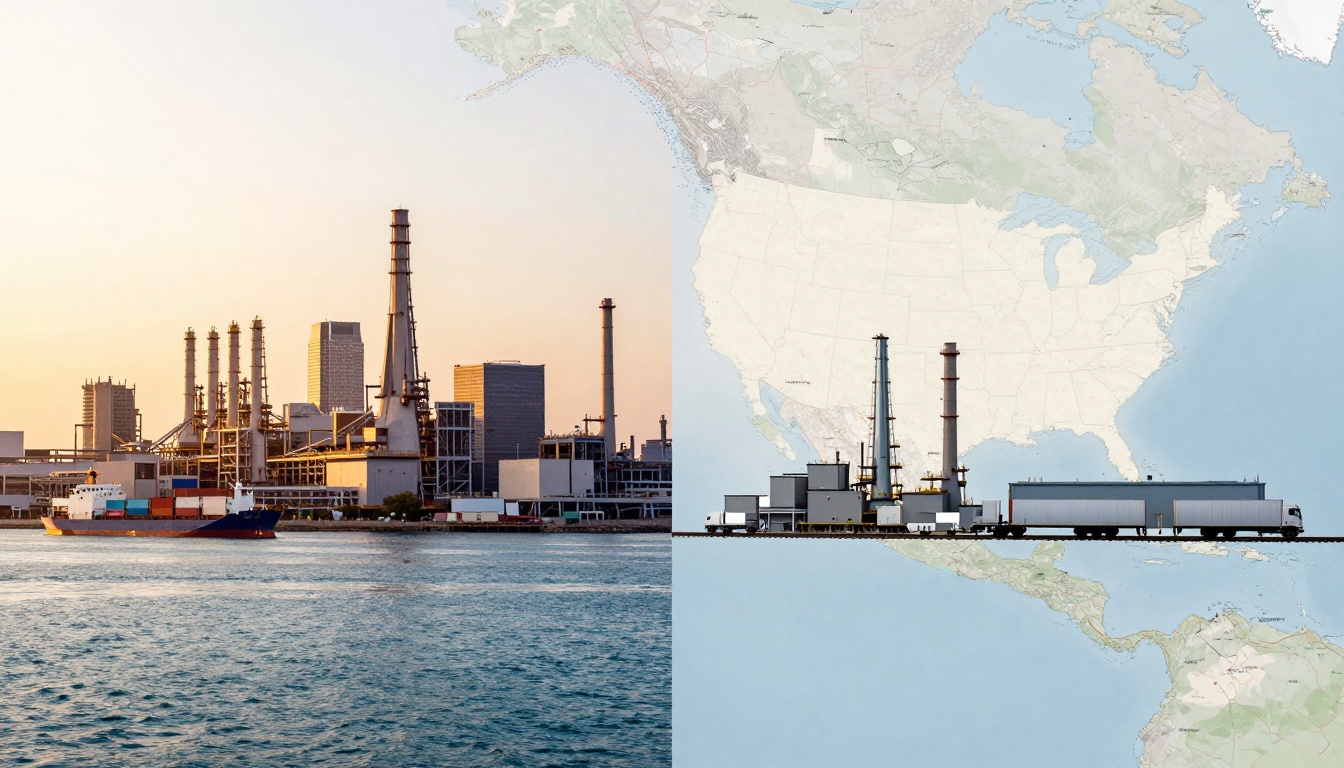
Friend-shoring means shifting production to countries with shared politics, like the US picking Canada over rivals. Near-shoring pulls factories nearer, such as American brands building in Mexico. Old chains stretched thin across oceans. New ones hug borders or ally lines for speed and safety.
US steel tariffs in 2025 bit hard, yet Mexico’s factories boomed under USMCA rules. Early 2026 data shows Eastern Europe investments up 60% since COVID. These moves promise tougher setups. But do they rewrite global flows? They craft regional hubs that shrug off shocks, though costs sting. Let’s unpack the shift.
What Friend-Shoring and Near-Shoring Mean in Practice
Firms once chased the lowest wages in far-off spots. Now they eye maps and news feeds. Near-shoring sets up shop next door. A US car maker opens in Mexico, trucks roll parts overland in days. No more waiting weeks for container ships from Asia.
Friend-shoring picks partners with the same outlook. Europe firms tap Poland or Romania, nations in NATO with steady rules. These often blend. Mexico serves as both near for America and friend under trade pacts. Governments help with cash. The US pumps subsidies into chips and green tech at home or with allies. Europe does the same for batteries in the east.
Trucks zip from Mexican plants to Texas borders. That’s quicker than sea routes prone to pirates or blockades. In 2026, Eastern Europe draws factories for cars and tech. Investments there jumped as firms fled old risks. Poland’s output grew 23%, Romania’s 86%. Shorter hauls cut fuel bills and carbon footprints.

Photo by Mike Bird
Key Differences and Why Companies Pick One Over the Other
Near-shoring stresses miles. Get goods fast, tweak designs on the fly. Friend-shoring layers on trust. No fears of export bans or spying. US firms lean Mexico for near speed. Europe’s pick Romania mixes both, close enough for lorries, allied against east threats.
Near wins on dash times, friends on steady flows. A phone maker near-shores to cut air freight costs by half. A bank picks friends to dodge data leaks. Choice boils to needs. Speed? Go near. Safety? Go friend.
The Push Factors Sparking This Shift Right Now
Pandemics cleared shelves in 2020. Ukraine war jammed grain and chips. US-China rows added tariffs. 2025 steel duties hiked import pain. Firms saw empty warehouses and lost sales.
Reglobalisation splits the world into blocs. North America hubs under USMCA. Europe builds east. Asia eyes mates too. Ernst & Young’s take flags these as 2026 drivers. Trust beats cheap every time now.
Real-World Wins from Companies Making the Move
Take a Texas electronics firm. It moved assembly from China to Mexico in 2024. Parts arrive by truck, not ship. Delays dropped from months to days. Sales climbed as stock stayed full. USMCA smoothed borders, no duties on most goods.
Mexico and Canada trade over $1.2 trillion with the US. Factories sprout near borders. Firms control quality better, match local tastes quick. In Europe, a German auto giant built in Poland. Strikes or wars don’t halt lines as easy. Shorter paths hedge price jumps from fuel wars.
Security tightens with allies. No sudden bans like on Huawei gear. Transport costs fall. Lorries beat planes for bulk. Experts say these chains flex with shocks. A French pharma plant in Romania fixed a batch flaw overnight. Old setup? Weeks lost.
Eastern Europe shines. Investments poured in post-COVID. Poland grabbed 23% growth in output. Romania led at 86%. Firms gain agility, dodge distant woes.
Multilateral Investment Guarantee Agency’s report notes foreign cash flows to safe spots. Wins stack up: full shelves, happy buyers, steady profits.
How Mexico Became a Near-Shoring Star for US Firms
Mexico tops the list. Border hops take hours. US firms pour billions. Investments surged with USMCA perks. Tariffs skip most trade. Delivery speeds soared.
Chips, cars, meds move fast. A beer brand cut lead times 40%. Control stays tight. Local hires know markets. Mexico handles over $1.2 trillion in regional trade. Star status earned.
Tough Challenges Slowing Down the Hype
Wins grab headlines, but bumps loom large. Wages climb in hot spots. Mexico’s factory pay rose 20% since 2023. Poland matches old China levels now. Firms build from scratch. New plants cost millions, take years.
Energy strains hit. Europe east grids creak under new loads. Inflation creeps from lost cheap hands. 2025 tariffs muddle plans, even for near spots. World Bank sees regional shifts, not full friend proof.
Strong dollar hurts US returns. Setup rules differ, suppliers scarce at first. Dragon Sourcing’s 2026 outlook warns of these pains. Hype meets hard maths.
Cost Surges and Why They Hurt the Bottom Line
Wages bite in Poland, up sharp. Mexico trails but climbs. Automation eats cash upfront. Robots cost, training too. Inflation sticks as cheap labour fades.
Firms pass hikes to buyers. Margins shrink short term. Energy bills shock in east Europe. Bottom lines feel the pinch until scale kicks in.
The Big Picture: A True Supply Chain Overhaul Ahead?
These shifts reshape flows. Global cheap model fades. Regional hubs rise: Americas north, Europe east, Asia with pals. Chains grow stable, not slim.
No full rewind to home. Allies and neighbours win. Oxford Management’s view backs lasting hedges. Tech aids complex webs.
Watch cash trails. Mexico booms, east Europe too. Overhaul comes gradual, firm. Smarter paths ahead.
Supply chains tangle less with far foes. Friend-shoring and near-shoring build buffers against shocks like pandemics or tariffs. Mexico’s rise shows speed gains. Eastern Europe proves ally power. Yet costs and builds slow the pace.
They change the game towards stable regional trade. Not cheap global any more. Follow trade moves close. What spot will your firm pick next? Stay tuned here for fresh takes on these shifts.