
Listen to this post: Is the Global South Tired of Supplying Raw Materials?
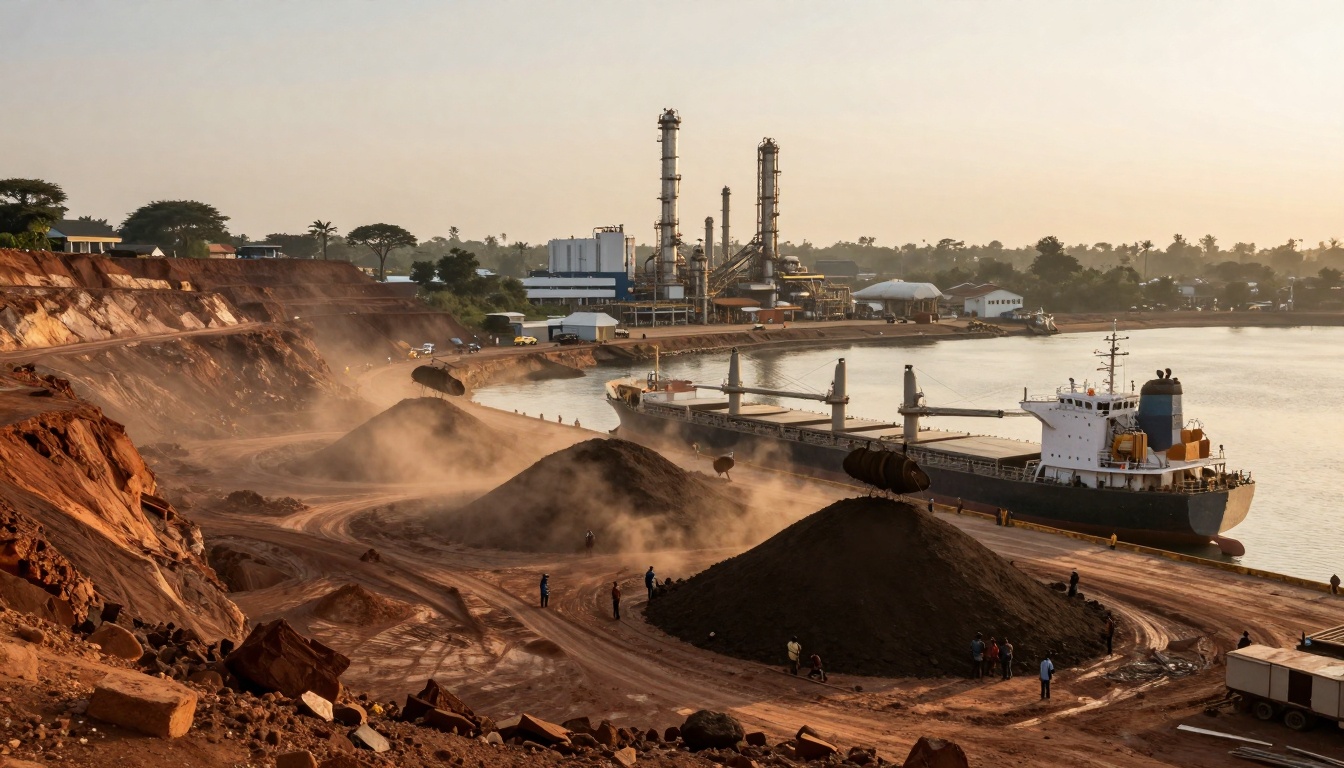
Picture this: In Ghana’s dusty mining towns, workers load tonnes of raw bauxite onto massive ships. The red earth heads straight to factories in China or Europe, where it turns into aluminium for cars and planes. Locals watch the loads leave, pockets empty. Yet nearby, new refineries rise from the ground, promising to keep the value at home.
Is the Global South tired of being a raw-materials supplier? For decades, nations in Africa, Asia, and Latin America dug up oil, minerals, and crops, then shipped them raw to rich countries. Profits flowed north, leaving behind poverty and few jobs. Colonial powers set this pattern long ago. Now, leaders push back with export bans on lithium, nickel, and bauxite.
Recent moves prove the shift. Indonesia halted nickel ore exports in 2020. Ghana eyes a bauxite ban by late 2025 or early 2026 to build its own plants. Countries like Zimbabwe and Namibia followed suit. These steps aim to create local factories, jobs, and wealth. The Global South wants more than scraps. They seek control over their riches.
How Decades of Raw Exports Held Back Growth
Rich nations built empires on cheap raw goods from the south. Africa sent gold and diamonds. Latin America shipped copper and soy. Asia offered nickel and palm oil. Ships sailed north loaded, returned empty. This trade locked countries in a trap.
Experts call it the resource curse. Easy money from raw sales starved farms, factories, and schools. Leaders spent on palaces or wars, not roads or skills. Economies swung wild with commodity prices. When oil crashed, Nigeria starved. When copper dipped, Zambia begged loans.
Data shows the damage. In 2024, raw materials made up over 60% of exports for many African states. Yet poverty rates topped 40% in mineral-rich spots. South-South trade hit $6.8 trillion by 2025, up 3.8% a year. Still, most sales stayed raw. Colonial deals forced this. Britain took Nigeria’s tin raw. France grabbed Ivory Coast cocoa unprocessed.
Take Nigeria before its 2022 ore ban. Miners dug iron ore, sent it to Asia. No smelters meant no steel jobs. Villages near sites sat idle, dust choking crops. Readers, grasp this: Change matters now because green tech demands lithium and cobalt. The south can grab those dollars if they process at home.
Africa’s Minerals Flow Out Without Adding Value
Africa holds 30% of world minerals: lithium in Zimbabwe, bauxite in Ghana, manganese in Gabon. Mines buzz, but value flies away. In 2023, raw lithium exports from the continent topped $2 billion. Locals got crumbs.
Near Namibia’s lithium sites, trucks rumble out full, villages stay poor. No refineries mean no chemists or welders hired. Ghana’s bauxite mines employ diggers, not engineers. Empty homes dot the landscape as youth leave for cities. Profits fund foreign CEOs, not local schools.
Indonesia and Latin America’s Shared Story
Indonesia mirrored Africa until it acted. Raw nickel ore fed China’s batteries. No local gain. Now, bans force smelters onshore.
Chile plans lithium deals with local processing. Brazil eyes iron ore value add. Waste piles up when raw goods leave: Lost wages, weak tech skills. Factories abroad thrive; home soils barren.
Bold Bans Signal a Clear Break from the Past
A wave of bans marks the end of old ways. From 2022 to 2026, leaders drew lines. Indonesia stopped bauxite and nickel raw exports in 2023. Ghana announced bauxite, lithium, and iron ore bans in 2024, tied to new refineries. By January 2026, plans firm up.
Zimbabwe banned raw lithium in 2022 to build processing hubs. Namibia halted unprocessed critical minerals like lithium in 2023, pushing local value. See Namibia’s government announcement on the ban. Nigeria curbed ore exports in 2022. Botswana tweaked diamonds for more polish work in 2023.
BRICS nations cheer this. Brazil, Russia, India, China, South Africa form a bloc. China tightened rare earth rules in 2025 but paused some after US talks. Partners watch, copy. Indonesia’s nickel halt built 20 smelters by 2025. Jobs doubled.
These moves spark hope. No more plunder, say presidents. Ghana’s leader vows refineries by 2026. Excitement builds as factories hum. Global chains scramble for processed goods. Buyers pay more, but south wins big.
Indonesia Sets the Pace for Asia
Indonesia led with nickel ore bans since 2020. Raw ships stopped; smelters rose. By 2025, local battery plants employ thousands. Exports jumped 30% in value. Workers weld plates, not just dig dirt.
Palm oil curbs showed the model works. Asia watches: Philippines eyes copper next. Wins prove bans pay if plants follow.
Africa Unites with Matching Policies
Africa syncs up. Ghana builds bauxite plants with Chinese cash. Zimbabwe inks lithium deals for local mines. Namibia’s 2023 lithium ban forces firms to build onsite, per business rights reports.
Botswana polishes more diamonds home. Leaders quote: “No more raw theft.” Policies spread like fire.
Local Processing Unlocks Jobs and Real Power
Process at home, keep the gold. Refineries need welders, chemists, truckers. One bauxite ship now yields steel mill jobs for a town.
Profits stay. Raw lithium sells at $20,000 a tonne; batteries fetch five times more. Tech transfers too: Engineers learn from partners. Indonesia trains 50,000 in smelting by 2025.
Resource curse fades. Factories spark farms and shops. South trade booms to new buyers. What if Ghana’s plants light homes? Readers, imagine buzzing towns.
Chains shift. Battery makers eye African hubs. World Bank notes bans cut green risks but aid transition, per their analysis on export restrictions. African policy insights show self-rule wins.
Future gleams: Factories roar, youth stay, wealth spreads.
A New Era for Southern Wealth
The Global South draws a firm line. No more raw exports alone. Bans in Indonesia, Ghana, Namibia prove resolve. Plans for refineries promise jobs and cash kept home.
Evidence mounts: Nickel value soars in Asia, lithium hubs rise in Africa. BRICS backs fairer deals. Trade evens out.
Watch markets shake as chains reroute. Green tech needs southern power. Hope rises with each new plant. What shifts will 2026 bring? Stay tuned; the south claims its share.