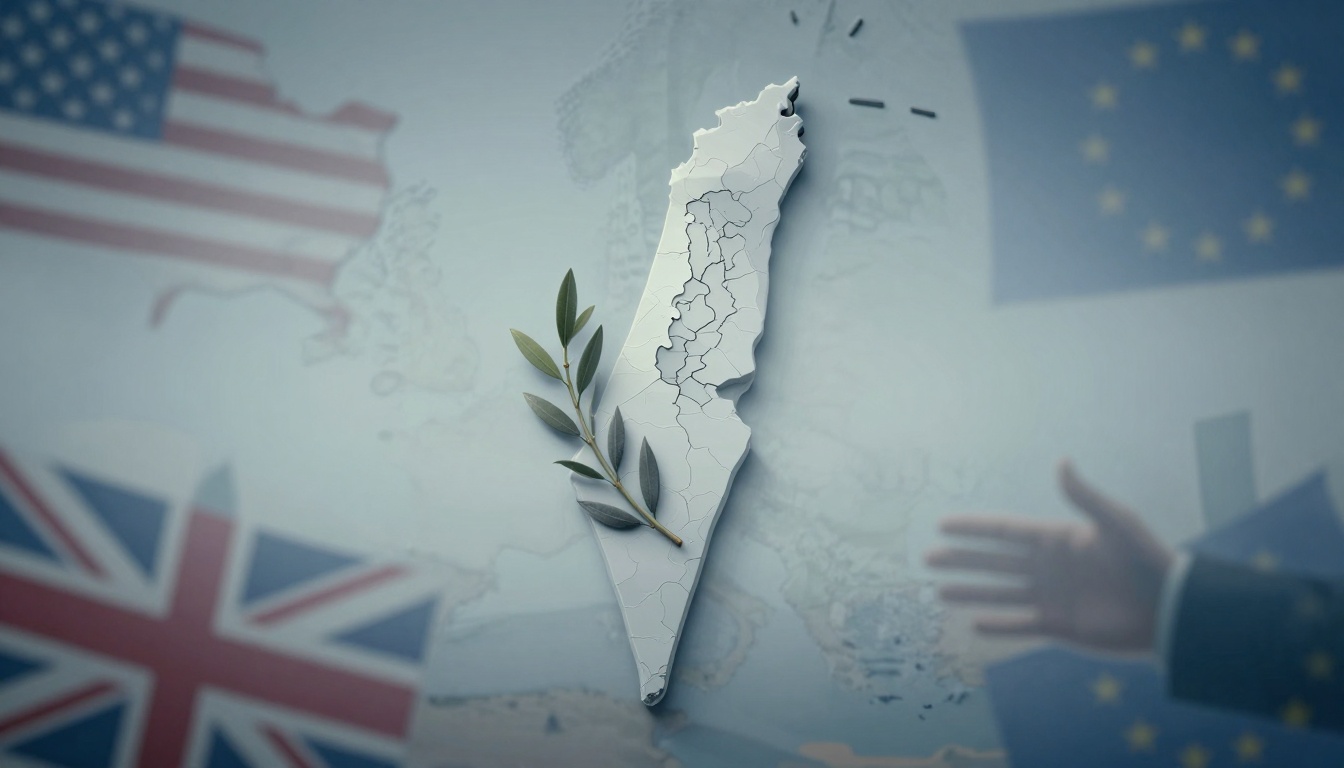

Listen to this post: Is Israel Becoming a Long-Term Strategic Headache for Its Closest Allies?
Allies often share core values yet butt heads over tough calls. Think of close friends who back each other in a scrap but cringe at reckless moves. For the US, UK, and EU, Israel fits that picture right now. A strategic headache means a key partner that hikes costs, amps up risks, and sparks backlash at home. The Gaza war’s aftermath has turned this bond into a daily grind.
Since the October 2025 ceasefire, small flare-ups and stalled talks keep leaders on edge. They juggle ironclad security ties with mounting humanitarian woes and voter anger. This piece weighs it all out. We’ll look at fresh strains from Gaza, the bind of backing Israel amid domestic heat, and risks like Iran that loom large. Expect straight talk on why the alliance holds firm yet frays at the edges.
What’s Changed Since the Gaza War, and Why Allies Feel the Strain
The Gaza conflict shifted gears with a ceasefire on 10 October 2025. This kicked off Phase One of a US plan under President Trump. Hamas freed all living Israeli hostages from the 2023 attack. Israel released nearly 2,000 Palestinian prisoners and pulled troops from some areas. Aid flowed in more freely at first. Yet the truce feels shaky. Both sides point fingers at violations. Israel struck senior Hamas and Islamic Jihad figures. Three Israeli soldiers died in clashes since then.
Phase Two governance talks started this week in January 2026. A new Palestinian group, the National Committee for the Administration of Gaza, aims to handle daily life. A US-led board oversees it, with Trump chairing a peace panel. An international force will step in for security as Israel withdraws further. Hamas says it will step back from governance but hold off on disarmament. Israel gripes about board picks. Its far-right ministers mutter about restarting the fight. Palestinian Islamic Jihad objects too. The first meeting happened in Cairo.
Allies watch this with bated breath. The US praised the move and tied it to a UN resolution. Washington stays deep in, but cracks show. London and Brussels back stability yet face pushback over aid blocks and civilian tolls. Over 71,400 Palestinians have died since 2023, including 460 post-ceasefire. Israel banned more than 30 aid groups like Doctors Without Borders from Gaza on 1 January. These snags turn old routines into minefields.
For deeper insight into Phase Two hurdles, check twenty questions on the next Israel-Hamas deal phase.
Ceasefire Friction, Hostages, and the Problem of Trust
Trust ebbs with every glitch. Israel holds 53-58% of Gaza still. Hamas delayed hostage body returns early on. All living ones are out now. Remains of most dead hostages came back too, save one: Master Sgt. Ran Gvili. The US leaned hard to restart releases.
Each spat hits capitals hard. Washington defends Israel in UN votes yet fields calls to pause arms. European leaders criticise strikes that kill civilians. They condition aid or push probes. Netanyahu said Phase Two nears, but snags linger. Allies defend the truce publicly. At home, they dodge flak from protests and polls.
Picture a tightrope walker. One slip, and leaders plummet in approval ratings. Israel’s rebukes of US moves, like a recent strike, add salt. European diplomats shuttle between Jerusalem and Ramallah. They urge calm but brace for blowback. Slow hostage progress fans fears the war restarts. Allies tire of constant firefighting.
Humanitarian Pressure Is No Longer a Side Issue
Aid access morphed from footnote to flashpoint. Protests swelled over blocked trucks and hungry crowds. Legal wins in The Hague spotlight suffering. Reputations take hits. Allies fear labels as enablers in the Global South.
UN reports tally the cost. In the West Bank, Israeli raids killed 38 Palestinians lately. Homes fell, camps emptied. Two Israelis died in attacks there. Gaza’s ban on groups like MSF sparked outrage. Allies pledged billions yet see little reach ground zero.
This erodes soft power. EU talks sanctions on settlers. UK parliament eyes responses, as in this 2025 briefing on Israel and occupied territories. Leaders balance hearts with votes. They want aid in, not excuses out. Pressure builds for red lines on blockades.
The Hard Trade-Offs for the US, UK, and EU When Israel Sets the Pace
Israel calls shots on strikes and borders. Allies follow yet pay the price. Three areas sting: security pacts, diplomatic shields, and home front battles. They crave a safe Israel. They dread blind alleys and forced defences.
US ships Iron Dome parts yearly. UK shares intel on threats. EU funds border tech. Ties run deep. But Gaza’s grind prompts tweaks. Allies eye end-use monitors. They spell out no-go zones for bombs.
Domestic storms brew fiercer. Voters split on campuses and streets. Leaders hedge bets. They affirm bonds while nodding to pain. Trade-offs sharpen as elections near.
On Phase Two expectations, see this analysis of ceasefire challenges.
Security Cooperation Still Matters, but It Comes with Strings and Scrutiny
Intel flows keep plots at bay. Joint drills hone missile shields. Arms deals top billions. US vetoes UN flak routinely. Yet strings tighten.
Post-ceasefire, Biden-era rules linger. Trump pushes Phase Two but flags violations. Europe demands use checks. No weapons in crowded spots. Strikes near Lebanon draw frowns. Allies fear escalations.
Red lines firm up. Pause sales if aid stalls. Share strike previews. Israel chafes but needs the gear. Partners hold leverage. They back defence, not overreach.
Domestic Politics Is Turning Foreign Policy into a Pressure Cooker
Public mood sours. Polls show war fatigue. Pro-Israel donors clash with youth rallies. US campus tents multiply. UK Labour splits on motions. EU greens slam arms.
Leaders juggle. Pro-Israel voters want steel. Palestinian backers demand cuts. Swing folks tire of headlines. Midterms loom in the US. Europeans eye 2026 votes.
Biden faced party rifts. Trump ties Gaza to wins. Starmer walks planks in parliament. Macron quells riots. Each tweet or raid reignites rows. Foreign policy bleeds into ballot boxes.
The Biggest Long-Term Risks Allies Worry About, and What Could Ease Them
Eyes shift forward. Iran proxies lurk. West Bank simmers. Rules-based order frays. Allies ponder pullouts or drags into quagmires.
Off-ramps exist. Clear governance in Gaza. Solid security pacts. Political horizons beyond bombs. Phase Two tests wills.
For ceasefire limits, read Crisis Group’s Gaza briefing.
A Wider War with Iran or Hezbollah Could Pull Allies In Fast
Hezbollah stockpiles rocket. Iran funds nets. One misfire, and chains ignite. Strikes hit Beirut. Missiles rain on Tel Aviv. Ships choke in Red Sea. Oil spikes.
Allies sweat. US bases dot region. UK patrols Gulf. EU frets energy. Support morphs to boots if proxies swarm. No one picks that fight gladly.
Trump’s plan eyes stability forces. Arab buy-in helps. But Israel’s hawks eye Tehran. Allies urge restraint. De-escalate or risk draft notices back home.
West Bank Settlements and Rule-of-Law Clashes Keep Resetting the Debate
Settler homes sprout. Raids clear camps. UN logs demolitions. Europe sees illegality. Courts mull labels. Sanctions whisper.
Palestinians bristle. Violence loops. Two-state talk fades. Allies push freezes. Israel cites security.
Neutral paths beckon. Joint patrols. Economic boosts. Recognition ties to halts. Moral frames grip Brussels. Leaders broker or watch ties sour.
Conclusion
Israel stays a cornerstone for US, UK, and EU security. Yet Gaza’s wake, aid rows, Iran shadows, and voter fury jack up the bill. Leaders back the truce. They probe strings on arms and push Phase Two boards.
Practical fixes lower heat. Speed aid. Nail governance. Spell out red lines. Watch Cairo talks and board picks in 2026. They signal if headaches ease or harden. What move breaks the cycle?