
Listen to this post: US–China rivalry 2.0: Is the world sliding into a new Cold War?
Picture the present tense: container ships queue outside ports, chips sit at the centre of boardroom plans, tariffs lurk in headline figures, and maps of the Pacific get studied like weather charts. US–China rivalry 2.0 is the name people give to this renewed, sharper phase of competition, after years where trade, tech, and security arguments kept flaring up, then easing off, then returning again.
It’s not just diplomats talking. It shows up in the price of a phone, the timing of a delivery, and the rules a company has to follow when it sells abroad.
So is the world sliding into a new Cold War, or is this something else, built for a globalised era? This guide sets out what looks familiar, what’s genuinely new, and what to watch through 2026. One of the key challenges facing international diplomacy will be the management of frozen conflict zones in 2026, where unresolved tensions can flare up unexpectedly. As nations navigate these complex landscapes, the impact on global security will be profound, requiring innovative strategies and collaborative efforts. Observers must pay close attention to how these regions evolve and influence geopolitical dynamics.
Why the US and China are clashing more often in 2026
The rivalry has three main engines: security, money, and technology. Each one feeds the others, which is why tensions can feel like they’re everywhere at once.
On the money side, 2025 brought frictions that were loud enough to shake markets, followed by late-2025 deals that cooled things down without fixing the underlying trust problem. A truce can steady prices, but it doesn’t remove the fear that rules may change with the next speech or the next election cycle. Business hates surprises, and this relationship produces plenty.
On security, the Pacific is the constant backdrop. Taiwan remains the sharpest flashpoint, and nearby seas stay crowded with patrols, aircraft, and national pride. When both sides believe the other is testing limits, even routine moves start to look like signals.
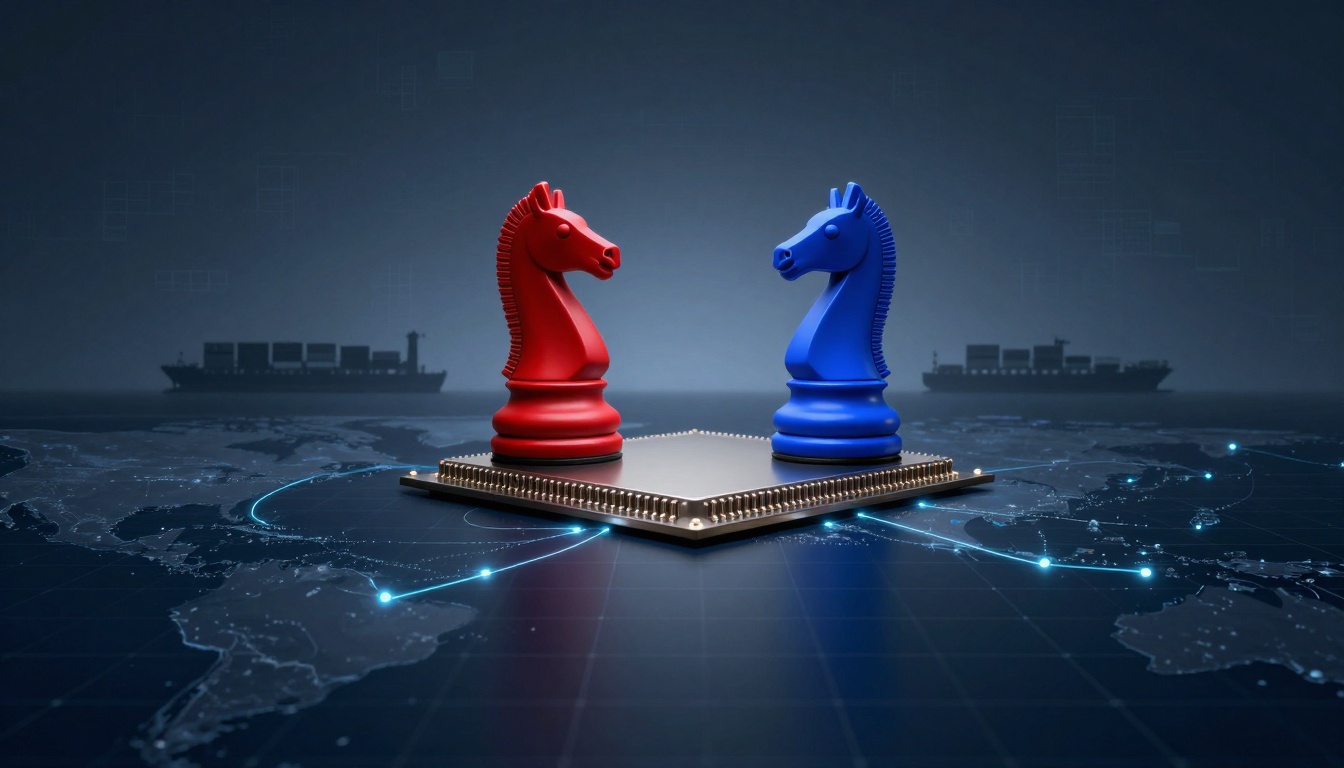
On technology, the fight has matured. It’s less about who sells more gadgets and more about who controls the parts and knowledge that sit underneath modern power. Export controls, investment screening, and restrictions on advanced chips have turned into tools of statecraft, not just trade policy.
For a sense of how experts describe the state of play entering 2026, the CSIS survey on US–China relations captures the mood: competitive, suspicious, but still managed, for now.
Trade fights that pause, then restart
Tariffs have become a political instrument again, not just an economic one. They’re easy to announce, simple to frame as “tough”, and hard to unwind without looking weak. That’s why trade fights often pause, then restart. A deal might narrow one dispute (say, a set of duties on specific goods), while leaving the bigger question untouched: can the other side be relied on to stick to the spirit of the agreement?
For ordinary buyers, the impact is blunt. Higher import costs can filter into prices for electronics, household items, and machinery parts. For firms, it’s worse, because planning becomes a gamble. A manufacturer doesn’t just ask, “Can we source this component?” It asks, “Will the rules change halfway through the contract?”
Farmers and commodity exporters feel it too. A tariff on one product can send buyers hunting for alternatives elsewhere, which is why trade policy can hit rural regions as well as industrial ones. And companies operating in China can find themselves squeezed from both directions: slower domestic demand at home, regulatory pressure from Beijing, and restrictions or political scrutiny from Washington.
A late-year “truce” may calm markets, but confidence doesn’t bounce back quickly. Trust is slow to build and fast to lose.
The tech split, from semiconductors to rare earths
Technology has shifted from being a growth story to being a security story. Export controls and licensing rules now shape what companies can sell, where they can invest, and which researchers they can partner with.
Two terms matter because they sit inside almost everything:
- Semiconductors are tiny chips that process and store information, they’re the brains in phones, cars, data centres, and many weapons systems.
- Rare earths are a group of minerals used in magnets and specialised components, important for electronics, energy tech, and defence hardware.
Early January 2026 reporting described a policy mix that’s become common: allow some sales, restrict others, then add conditions that change the economics. That sort of “yes, but” approach keeps pressure on China while avoiding a total rupture that would also hurt US firms and customers.
Rare earths add another layer. Because China plays a major role in processing and supply chains, any tightening on that side can create shock waves. Even a small supply disruption can slow production lines abroad, because modern manufacturing runs on tight timing. A missing material can stop a factory just as surely as a missing engine.
This is why “who makes the chips” matters for AI, defence, and everyday devices. If a country can’t reliably access advanced chips or the minerals that support them, its growth plans and security plans both start to wobble.
Is this really a new Cold War, or a different kind of standoff?
The Cold War image is tempting because it’s tidy. Two giants, two stories about how the world should work, and everyone else pushed to choose. But today’s rivalry doesn’t fit the old template cleanly.
A useful checklist helps:
- Are there rigid blocs?
- Is there broad economic separation?
- Is ideology driving everything?
- Do crises escalate quickly, or get managed?
On the first point, there is a “two camps” feel at times, especially around tech standards and security partnerships. On the second point, the big difference appears: the US and China still trade heavily, even as both try to reduce risk. The goal in many capitals isn’t full separation, it’s selective distancing in sensitive areas.
Ideology plays a part, but economics and technology do a lot of the work. That makes this standoff more transactional, and sometimes more unpredictable. Partial deals can sit beside hard rivalry. A country can sign a trade agreement in one quarter, and expand tech controls in the next.
If you want a wider view of how analysts frame 2026 risk, the Stimson Center’s global risks for 2026 places major power tension alongside other pressures, rather than treating it as the only story.
What looks familiar: blocs, propaganda, and power games
Some features do feel like an echo.
Partners and allies can feel pressure to line up. It might be subtle, like investment screening rules that favour one supplier over another, or louder, like statements at summits that sharpen the “us versus them” tone. Tech is where this shows up fastest: app bans, data rules, and standards for telecoms and cloud services can create separate tracks.
Competing stories about global order also sound familiar. Both sides present their model as safer or fairer, and each points to the other’s flaws. That messaging seeps into everyday life through social media, student exchanges, and academic partnerships. Universities weigh reputational risk, compliance rules, and research funding. Families weigh whether study abroad will stay smooth or become politically charged.
Defence signalling is another echo. Military exercises, port visits, and “freedom of navigation” patrols carry messages even when no one fires a shot. The theatre matters because audiences at home are watching, and because misreading intent is easy when tension is high.
What’s different: deep economic links and faster pressure points
The old Cold War had thicker walls between the main rivals. Today’s world has shared supply chains, shared finance, and systems tied together by the internet.
That changes how pressure works. A sanction, export ban, or shipping disruption can move through markets in hours. A cyber incident can spread without a single soldier crossing a border. A rumour about a blocked component can prompt firms to over-order, which then creates real shortages.
This is also why rivalry now comes with strange pairings: sharp language on security, while trade continues; tech restrictions, while consumer demand keeps flowing. Even talk of “de-risking” often means “move some production”, not “walk away”.
Some strategists argue that a bargain is still possible, even if it’s narrow. The case for that mindset, and what it might cost, is laid out in Foreign Affairs on a US–China grand bargain. Whether such a reset is realistic is another matter, but the point stands: this era allows for deals that coexist with distrust.
The flashpoints that could turn rivalry into crisis
Rivalry becomes dangerous when it stops being about rules and starts being about timing, pride, and fear. Flashpoints matter because they compress decision-making. Leaders have less time to check facts, test assumptions, and calm domestic audiences.
In early 2026, Taiwan remains the sharpest point of friction. The surrounding seas stay tense, and military watchers pay close attention to readiness signals, exercises, and any sudden shift in command structures. After reports of leadership turbulence and internal discipline moves in 2025, observers are more alert to the risk of miscalculation, not because a conflict is “inevitable”, but because mistakes happen when systems are under stress.
The other problem is geography. The Western Pacific is busy. Commercial shipping lanes run through contested waters. Naval vessels and aircraft operate close to each other. A small incident can become a big political test if leaders feel forced to respond.
For a practical look at how analysts think the relationship might develop, The Diplomat’s view on the future of China–US relations captures a key reality: rivalry doesn’t need open conflict to shape behaviour, but it always carries the risk of something going wrong.
Taiwan, where symbols and security collide
Taiwan matters to both sides for different reasons, and that’s what makes it hard. It’s about identity and politics, but also about security, trade routes, and credibility.
The “one-China” framework exists, but interpretations differ. In plain terms, Beijing says Taiwan is part of China and must not move towards formal independence. Washington recognises one China diplomatically, but keeps unofficial ties with Taiwan and supports its ability to defend itself. That gap in interpretation is where arguments live.
Timing raises the risk. Elections, leadership speeches, and domestic pressures can turn careful language into hard lines. Military activity also adds heat. When aircraft cross certain lines, or ships operate close to sensitive waters, each side can claim the other is changing the status quo. Once that claim is made, stepping back becomes politically costly.
Misreads are the quiet danger here. A move meant as deterrence can look like preparation. A routine drill can look like a rehearsal. In a crisis, leaders don’t just manage the other side, they manage their own public.
The South China Sea and the danger of close encounters
The South China Sea is a map crowded with overlapping claims, reefs, and routes that carry a large share of global trade. It’s also a place where the “accident risk” is real. Patrols, air intercepts, and shadowing at sea can happen at close range. Small misjudgements can lead to collisions, injuries, or an exchange of fire that no one planned.
What makes this dangerous is the political trap. If an incident happens, leaders can feel boxed in. Backing down can look like weakness. Escalating can look like control. Both are risky choices, made under time pressure.
There are practical ways to reduce risk. Crisis hotlines can help, if they’re used quickly and taken seriously. Clear rules of behaviour at sea, including agreed distances and communication protocols, can stop a tense encounter turning into a headline. These aren’t glamorous solutions, but they’re the kind that prevent spirals.
It’s easy to focus only on the biggest moves. In reality, many crises start with a small event and a bad response.
Conclusion
US–China rivalry 2.0 borrows some Cold War traits, pressure on partners, competing narratives, and military signalling. But it isn’t a copy, because trade and technology links still run deep, and both sides keep trying to manage risk even while they compete.
Three signals are worth watching through 2026: how far tech controls tighten, whether Taiwan tensions are managed with steady communication, and whether trade “truces” hold long enough to rebuild business confidence. If those trends worsen together, the chance of crisis rises.
This isn’t abstract. It can shape prices in shops, job security in export sectors, and the sense of safety people feel when they look at the news. The question isn’t whether rivalry exists, it’s whether it stays contained.