
Listen to this post: Women on Conflict Frontlines, Sidelined in Peace Talks
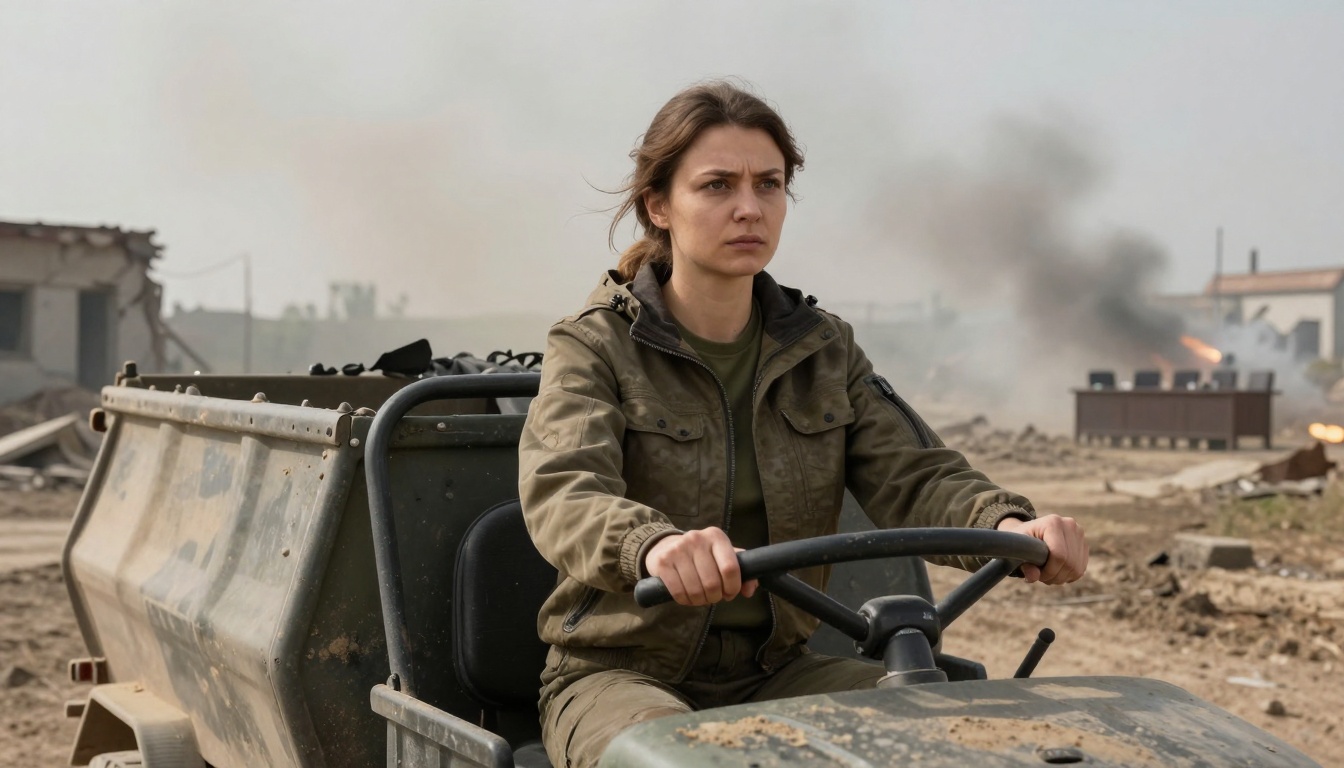
Picture this: shells explode nearby as Lyudmyla Yankina drives a truck loaded with 25 tons of sand. It’s 2022 in Ukraine. She aims to shield a blood centre from attack. Women like her rush into danger. They deliver aid, hold families together, and mend torn communities. Yet when leaders sit for peace talks, these same women rarely get a seat.
The gap stuns. Women bear the brunt of war. They step up in crises. But official tables shut them out. Stats paint a grim picture. Women make up just 7 to 9.6 per cent of negotiators in major conflicts. In UN-led talks, it’s around 16 per cent. UN Security Council Resolution 1325, passed in 2000, pushed for change. It called for women in peace processes and protection from violence. Gains came, like more gender mentions in deals. But trends slip. Recent UN reports show drops in women’s roles. Over 676 million women live near active fights, the most since the 1990s.
This piece spotlights women’s frontline grit. It uncovers reasons for their exclusion from talks. And it maps paths forward. From Ukraine’s aid heroes to global patterns, their stories demand attention. Real progress waits on open doors.
Women Endure and Respond in War’s Harshest Spots
Women face war’s raw edge. They dodge bullets to fetch water. They shelter the displaced. In Ukraine, funds aid 42,700 women and girls. Local groups knit communities tight in five regions. Olha Zaiarna urges feminist funding to back them. Gaza, Sudan, Myanmar show the same drive. Data stays thin there. But patterns hold. Half a billion women huddle near battle zones. Their hands build safety where states fail.
These women don’t wait for help. They act. Bombs fall, yet they haul supplies. Families fracture, yet they forge bonds. Their work saves lives daily. Leaders note it less. Still, it proves women’s pull in chaos.
Ukraine’s Women: Aid Givers and Community Builders
In Ukraine, women’s groups led humanitarian pushes from day one. They sorted food, clothes, medicine under fire. In 2025, a Krakow workshop trained Ukrainian women as peace trainers. OSCE ran a programme with 27 women mediators. Ukraine’s Gender Ombudswoman crafts a 2026-2030 plan. It eyes women’s roles in rebuilds.
Take Yankina again. Her sandbags stood firm. Others like her run shelters, counsel the shell-shocked. They boost ties in battered towns. Funds reached thousands. Local wins hint at scale. These efforts hold Ukraine steady. They show women as anchors.
Patterns in Gaza, Sudan, Myanmar, and Afghanistan
Data lags in Gaza and Sudan. Yet women risk all. In Sudan, they broker local ceasefires, lead aid runs. For 2025 UN Secretary-General’s report on Women, Peace and Security, 676 million women skirt frontlines. Civilian deaths among women quadruple. Sexual violence jumps 87 per cent.
Myanmar’s displaced women guard camps. In Afghanistan, they teach in secret, feed hidden networks. Talks ignore them. Zero women in some Yemen, Libya, Ethiopia groups. Grassroots strength shines. Official gaps yawn wide. Over 60 million displaced worldwide. Women lead survival. Their voices fade in halls of power.
Grassroots Peace Powerhouses Overlooked by Leaders
Women run 71 per cent of local peace groups. They spot rifts early. They heal them with talks over tea. In Ukraine, projects gather views for post-war plans. Women shape reconstruction. Global data backs it. Peace deals with women last 20 per cent longer. They cut violence better.
Formal tables lag. Mediators hit 13 to 14 per cent women. Local wins prove the gap foolish. Burundi saw women seal truces. Mali groups curbed clashes. Women’s insights run deep. They know homes, schools, markets. Leaders pick generals instead. Grassroots hums on.
Stories inspire. A Sudanese woman mediates between clans. She recalls shared weddings, lost sons. Trust blooms. Ukraine’s trainers spread skills. They train dozens more. These quiet forces outlast big summits.
Local Efforts That Bind Communities
Ukraine’s cohesion projects shine. Train-the-trainer models multiply skills. Women visit villages, hear pains, build bridges. Broader wins echo. Burundi women ended cycles of revenge. Mali groups talked down militias.
Stats cheer grassroots. Inclusion there halves repeat fights. Funds flow thin. Still, women persist. They weave peace from threads of daily life.
Why Women Still Face Closed Doors at Peace Tables
Numbers sting. Women mediators hover at 13-14 per cent. UN talks dipped from 23 per cent to 16 per cent. UNSCR 1325 marks 25 years in 2025. Gender nods in 31 per cent of 2022-2024 deals. Down from peaks. No women led Ethiopia, Libya, Yemen talks.
Complex wars play in. Proxies fight. Backlash bites. Anti-gender laws spread. Few women hold power. No firm tracking stalls fixes. Funding dries. States skip mandates.
Human cost mounts. Deals without women snap quick. Violence rebounds. Women’s local know-how gets lost. Paths forward gleam faint. Binding goals, data pushes could shift it by 2026.
See the UN report on women excluded from peace processes. It flags the stall.
Hard Numbers and Falling Trends
From 2022-2024, 31 per cent of agreements note gender. Down from half a decade back. UN resolutions on women drop 21 per cent since 2020. Peace deals with women endure. Others crumble fast. In Sudan, women push local halts. Big tables blank them.
Barriers Holding Them Back
Power sits with men. Geopolitics trumps inclusion. No one tracks seats. Funds miss women-led work. 2026 eyes new plans in Iraq, Italy. But will lags. Backlash grows. Accountability lacks. Women grind on despite it.
Time to Open the Doors for Lasting Peace
Women stand tall on frontlines. They aid under fire, bind communities, broker quiet peaces. Ukraine proves it. Lyudmyla Yankina’s grit echoes worldwide. Yet talks bar them. Stats scream waste: low seats, short deals, rebound wars.
Change calls now. Governments must mandate women’s spots. At least 30 per cent in every talk. Fund local groups heavy. Track progress hard. Back UNSCR 1325 with teeth.
Fuller tables mean stronger peace. Imagine it: women’s voices temper rage, spot blind spots. What can you do? Push leaders. Share these stories. Support women builders.
Hope burns. Their frontline fire lights the way. Peace waits on us all.
(Word count: 1487)