
Listen to this post: Mental Health Crises in War-Torn and Climate-Stressed Regions
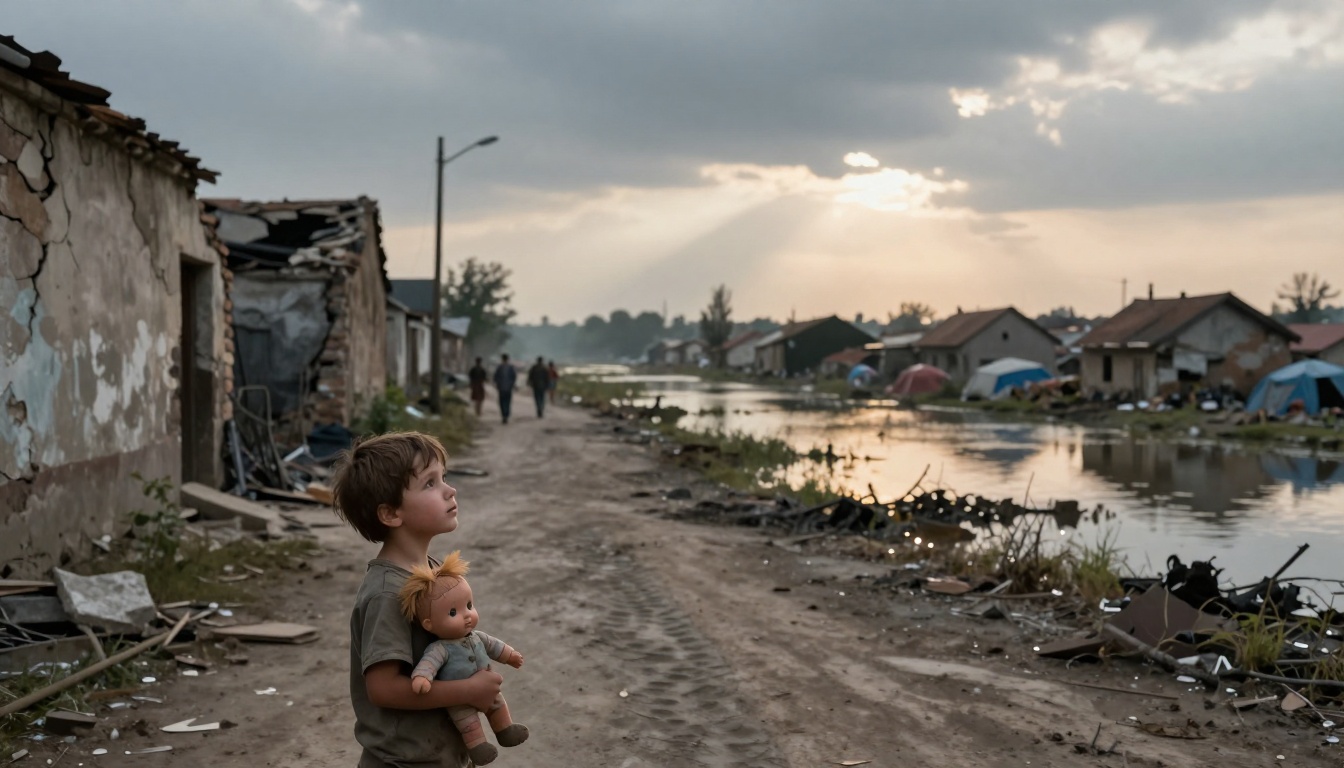
A child in Gaza sits amid rubble, eyes fixed on the sky after another strike. The boom still echoes in his ears. Miles away, a family in Bangladesh clutches soggy photos as floods swallow their home for the third time. These scenes capture the raw fear in war zones like Ukraine, Gaza, Sudan, and Syria. Climate shocks hit Pacific islands, sub-Saharan Africa, Bangladesh, and Pakistan hard too. Mental health crises surge here. Displaced people face double the risk of PTSD, anxiety, and depression. Children suffer most, with rates six times higher for PTSD. Women endure extra layers of trauma. This post examines war’s toll, climate’s grip, their deadly mix, and paths to hope.
War’s Lasting Scars on Minds in Ukraine, Gaza, Sudan, and Syria
Missiles rip through Ukrainian nights, leaving families huddled in basements. In Gaza, people flee block after block, tents their only shelter. Sudan’s markets empty as gunfire chases buyers away, hunger gnaws at bones. Syria’s villages stand empty, poverty clings like dust after years of bombs. These places breed invisible wounds. About 22% of displaced adults battle depression, anxiety, or PTSD. In Ukraine, 25% of those forced from homes report depression, twice the norm.
Kids show aggression or withdraw into silence. Women face abuse amid chaos. Yet 72% with anxiety get no care at all. Communities shatter; neighbours turn strangers in the scramble for food. Check IRC’s 2026 Emergency Watchlist on Sudan for fresh data on these risks.
Daily life twists into survival mode. A mother in Kharkiv skips meals for her kids, her sleep broken by alerts. In Gaza, over half the population carries depression or PTSD signs. Only one psychiatrist served 100,000 before the war; now services crumble further.
Why Children and Families Suffer Most in These Zones
Children bear the heaviest load. In Gaza, 54.7% faced war trauma; 96% fear death daily. Suicide attempts climb among displaced teens, four times the usual rate. Families endure repeated loss, like Gaza residents moved ten times over.
Women suffer sexual violence and hunger. Pregnant ones in Gaza, numbering 150,000, face starvation that deepens despair. Grief piles on grief with no end.
Climate Disasters Fuel Fear and Grief in Flooded and Drought-Hit Lands
Waves lap at Pacific island doorsteps, homes sink into rising seas. In sub-Saharan Africa, cracked earth starves cattle; families walk miles for water. Bangladesh rivers burst banks yearly, mud buries villages. Pakistan’s floods in 2022 still haunt, with new ones brewing. These blows spark mental storms. Post-disaster, 25-50% risk PTSD. Adults hit 54% depression rates. One in five in emergencies develops issues, double the global average.
Youth feel eco-anxiety deep in their bones. After wildfires, 92% of kids show PTSD. Heat waves link to more suicides. Repeated hits, like Bangladesh cyclones, lock in the pain. See Concern’s list of 2026’s worst crises for affected spots.
A farmer in drought-struck Somalia watches his crops fail again, hope fading with the sun. Flood survivors in Pakistan sleep on cots, waiting for the next downpour. Funding for mental health drugs plunged 96% in 2025 crises, leaving voids.
Eco-Anxiety and Long-Term Heartache from Endless Threats
Eco-anxiety grips before the storm hits, a constant dread of what’s next. Island dwellers feel solastalgia, homesick for land that’s vanishing. Poor communities recover slowest without support nets.
Pre-traumatic stress builds from forecasts of doom. Kids in Pacific atolls draw sinking islands, their futures washed away.
When War and Weather Crises Team Up to Break Spirits
War and climate collide in brutal ways. Fires mimic bomb blasts, triggering PTSD like in veterans. Climate fear amps up war trauma in shaky spots. Kids, the poor, and women take the worst. Each physical injury multiplies psychological harm forty times. Suicides rise; abuse flares in cramped camps.
Sudan blends civil war with famine from dry spells. Gaza faces bombs plus blockade-born scarcity. Interventions lag. Build skills before crises, yet aid skips mental needs. Explore the Global Humanitarian Overview 2026 on crisis trends.
Ripples spread: broken families, lost trust. But early community groups show promise.
Mental health crises ravage war-torn and climate-stressed regions, hitting kids and families hardest with PTSD, anxiety, and depression. Ukraine’s 25% depression rate among displaced, Gaza’s terrified children, Bangladesh floods’ endless grief, all demand action. Hope lies in more aid, local resilience, global pushes for care. Support groups like the IRC. Share a story from these lands. What step will you take?