
Listen to this post: The Global Water Crisis: Rivers, Dams, and Cross-Border Tensions
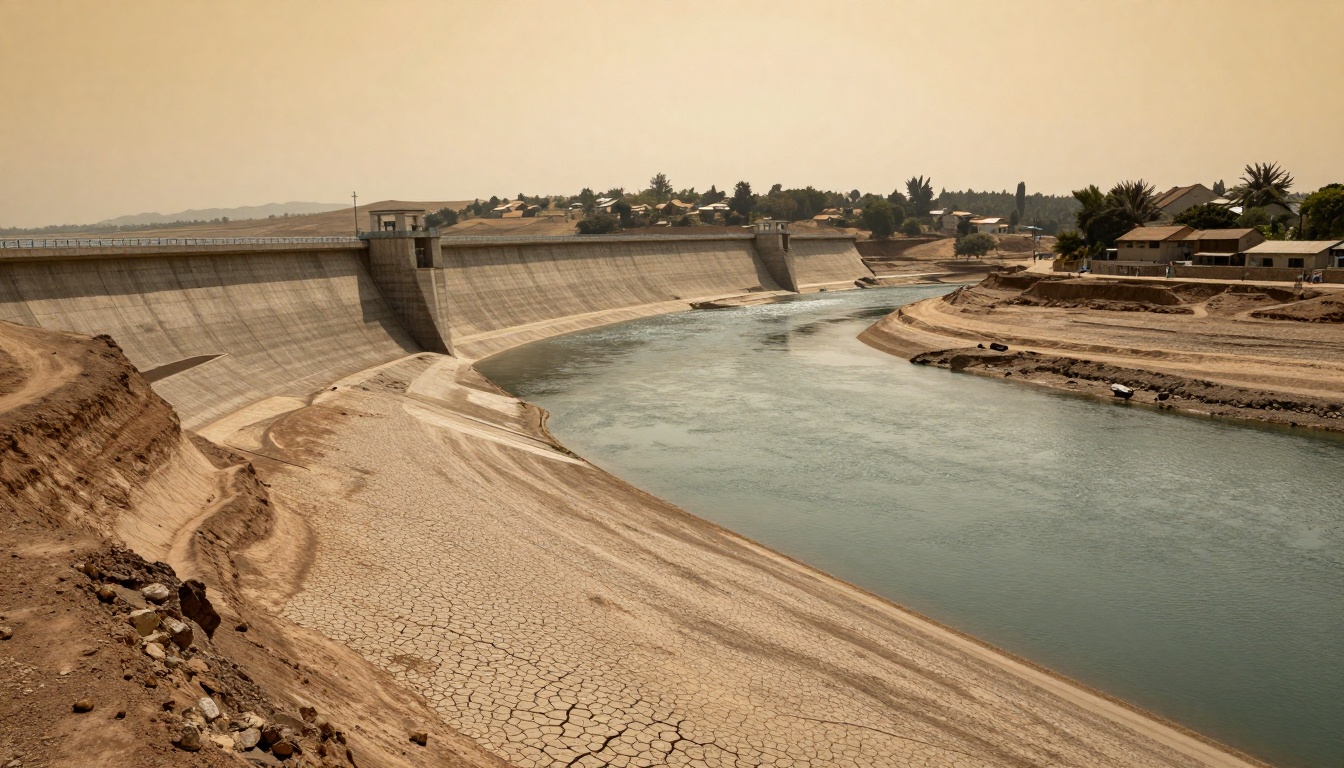
Picture a riverbed that once roared with life. Fish darted through clear waters. Villages thrived on its banks. Now, cracked earth stretches where that river flowed. Sun beats down on dry soil. Nations eye each other across borders, fists clenched over the last drops. This is the global water crisis in action.
Billions face the squeeze. About two billion people lack safe drinking water. Rivers lose roughly three per cent of their fresh water each year. Dams rise to grab control, but they choke flows downstream. Neighbours turn rivals. Hotspots like the Nile and Mekong simmer with tension. Climate shifts dry the taps. Populations boom. Farms guzzle more.
Yet hope lingers. Nations talk deals. Tech tracks usage. Shared rivers can bind, not break, countries. This piece uncovers the drivers, flashpoints, costs, and paths forward. Stay with us to see why water shapes wars and peace.
What Fuels the Rush to Build Dams and Dry Up Downstream Rivers?
Nations race to dam rivers for power and food. Why? Demand surges as people multiply. Droughts bite harder from warmer air. Old rivers shrink to streams. In arid zones, water vanishes at up to ten per cent a year. Lake Chad, once vast, now feeds just a fraction for fifty million souls.
Take the Grand Ethiopian Renaissance Dam, or GERD. It blocks the Blue Nile. Ethiopia wants electricity for its growth. Egypt downstream fumes as flows drop. Protests erupt in places like Iran over shortages, as noted in recent reports on transboundary tensions. Dams promise jobs and lights. They deliver floods of conflict too.
Climate Shifts and Human Habits Hit Rivers Hard
Warmer weather means longer dry spells. Rains fail. Snowmelt fades early. The Mekong River swings wild. Dry seasons parch Vietnam’s rice fields. Farmers watch paddies crack. Yields plunge twenty per cent some years.
People add pressure. Crops soak vast amounts. Cotton, rice, wheat pull billions of cubic metres. Groundwater pumps run dry. In Pakistan, wells hit rock bottom. India taps the same aquifers. Borders mean little to water underground.
Overuse turns plenty into scarcity. Central Asia’s Aral Sea shrank to puddles from farm canals. Fish vanished. Dust storms choke towns. Habits must shift, or rivers die.
Dams as Double-Edged Swords for Power and Peace
Dams generate clean power. Brazil’s Itaipu lights homes for millions. China’s Three Gorges powers factories. Irrigation greens deserts. Egypt’s Aswan saved farms from floods.
But downstream pays. Fish migrate less. Sediments starve deltas. Mekong’s delta erodes fast. Vietnam loses land to the sea. Economies suffer. Some forecasts show six per cent GDP drops by 2050 in hit nations.
Power tempts. Peace slips away. Upstream builds. Downstream starves. Talks stall. Dams cut both ways.
Flashpoints Where Water Wars Brew: Key River Battles
Rivers cross maps like veins. When they dry, tempers flare. Ethiopia fills GERD. Egypt threatens force. China dams the Mekong. Laos joins in. Vietnam’s boats idle. Pakistan and India glare over the Indus. These basins hold half the world’s people. Tension boils in 2026.
Stories from the ground paint the risks. Protests rock Iran as taps run dry. Lake Chad vanishes, stranding millions. Borders blur in thirst.
Nile River Standoff: Ethiopia’s Dam Vs Egypt’s Lifeline
The Nile sustains Egypt. Ninety-seven per cent of its water comes from there. Ethiopia’s GERD, Africa’s largest, fills its lakes. No binding deal exists. Egypt fears blackouts and barren fields. Sudan sits uneasy in between.
Talks drag in the Nile Basin Initiative. Floods in 2025 eased fears briefly, but drought looms. See analysis on the GERD dispute for Egypt’s bind. Ethiopia pushes ahead for its one hundred ten million people. Water, not weapons, tests wills.
Nearby, Lake Chad shrinks eighty per cent since 1960. Chad, Nigeria, Niger, Cameroon fight Boko Haram amid thirst. Fifty million need aid.
Mekong and Indus: Asia’s Tense Water Shares
China’s dams on the Mekong control flows. Laos builds more. Downstream Cambodia and Vietnam suffer low waters. Fish catches drop thirty per cent. Rice wilts.
The Indus Treaty holds, barely. India diverts for farms. Pakistan’s crops fail. Attacks spike in Kashmir. Both nuclear powers eye the same drops.
Other Alarms: Colorado Cuts and Morocco’s New Wall
America’s Colorado River dries. Seven states ration. Cities like Phoenix cut lawns.
Morocco’s Kheng Grou dam irks Algeria. Tensions rise over shared basins. Iran nears Day Zero. Protests rage into January 2026, blending water woes with wider fury, per Euronews coverage.
The Real Cost: Lives, Farms, and Economies on the Brink
Thirsty families queue at trucks. Children sip dirty puddles. Cholera spreads where aid falters. In Yemen, half lack clean water. Diseases kill thousands yearly.
Farms fail first. Egypt’s cotton wilts without Nile flows. Vietnam’s delta salt intrudes. Yields crash. Jobs vanish. Families flee.
Economies buckle. Iran’s unrest shows the spark. Dry spells cut output ten per cent. Protests turn deadly; eleven fell in one day this January. Lake Chad’s basin loses billions in fish and crops.
What if your tap ran dry? Migration swells. Borders strain. Fights brew over boreholes. Cross-border clashes claim lives. In 2025, herders battled in Kenya over shrinking rivers.
Water scarcity ranks high among 2026 political risks, warns a new report. People pay the price.
Bright Spots and Fixes to Turn the Tide
Nations forge pacts. The Mekong Commission shares data. India and Pakistan tweak the Indus Treaty.
Demand drops work. Israel recycles ninety per cent. Drip irrigation saves fields. Satellites spot waste; the World Bank funds them.
Green power cuts thirst. Solar pumps lift water cheap. Reforestation holds soil. Treaties bind hands for good.
Fair shares build trust. Tech evens odds. Hope flows if leaders act.
In conclusion, the global water crisis grips rivers and sparks cross-border tension. Dams fuel fights from Nile to Mekong. Costs hit lives hard: failed farms, sick children, unrest. Bright fixes like pacts and tech offer paths out. Back water treaties. Use wisely. Imagine rivers full again, quenching peace for all. What step will you take?