
Listen to this post: What “Working for Peace” Means in a World of Shrinking Civic Space
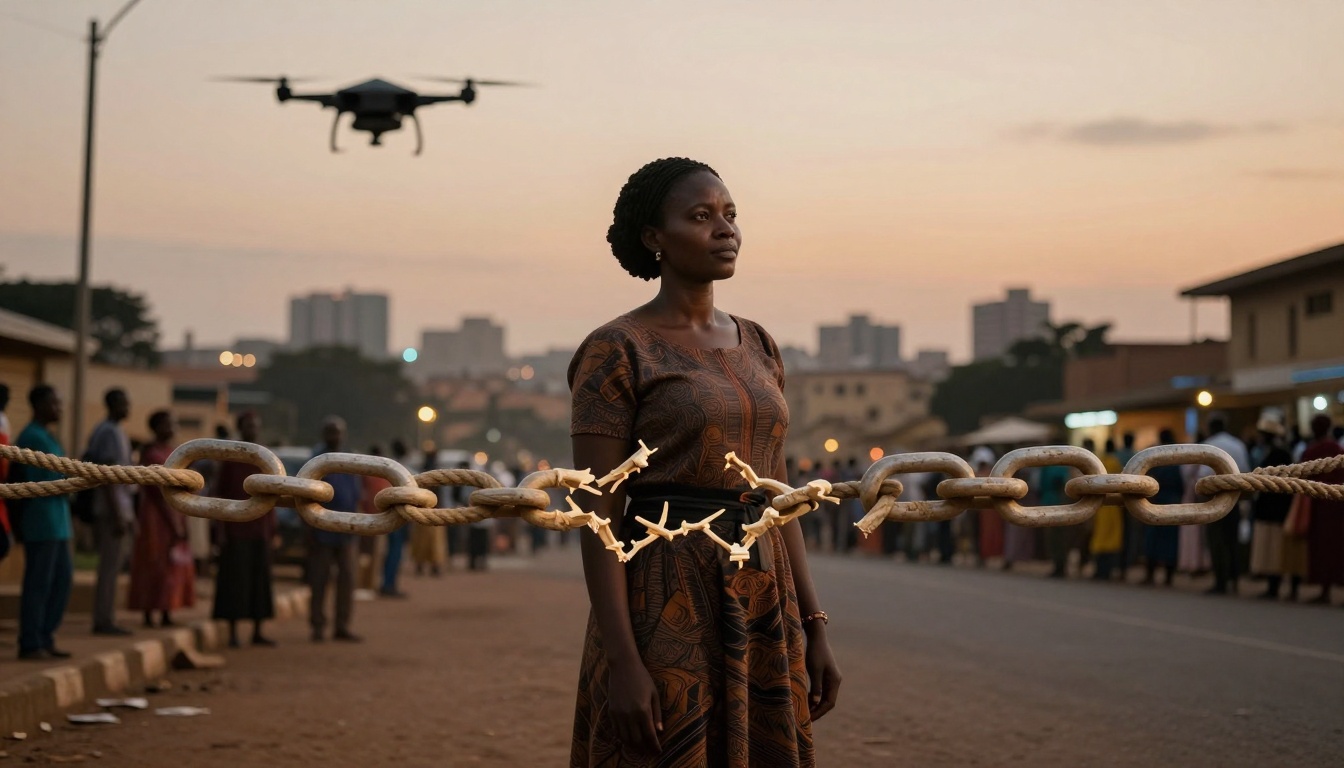
Picture Sarah, a peace activist in Uganda. She once gathered crowds in Kampala to call for calm before elections. Now, new laws ban her protests. Police watch her every move. She whispers plans in back rooms instead. This is shrinking civic space: governments slam doors on free speech, protests, and NGOs. In 2025, reports show it worsened. CIVICUS tracked attacks on people power across borders. Russia jails dissenters. Myanmar silences media. Even Europe curbs Gaza rallies.
Working for peace means activists and groups push to end fights and build trust. They mediate rows, aid victims, and teach talks. But as space shrinks, this work twists. Governments pass NGO bans, spy with tech, and cut funds. Peace builders adapt. They go quiet, go local, go digital.
This post shows the squeeze today. It explains how peace efforts shift. You will find steps to join in. Small acts count when big ones risk jail.

Photo by marco allasio
Spotting Shrinking Civic Space Around the World
Shrinking civic space blocks people from assembly, speech, and groups. Since 2004, crackdowns rose. Governments fear “foreign agents” in NGOs. They use laws, tech, and force. In 2025, 71% of groups cut democracy work from lost cash. Peace activists suffer most. They lose funds, faces charges, can’t reach locals.
Take Uganda. Ahead of 2026 votes, US aid cuts hit NGOs hard. Protests ban. Activists dodge arrests to calm election heat. Russia tops violence charts. It censors online, raids peace offices. Funds dry up; programs end. Myanmar shuts media, bars NGOs. Peace voices fade as fights grow.
Europe shifts too. Far-right wins bring Gaza protest bans. France ratings drop. Africa sees election threats in Ethiopia, Somalia. Latin America, like Brazil, lists as “obstructed.” Youth face vote blocks.
| Region | Key Issue in 2025-2026 | Impact on Peace Work |
|---|---|---|
| Uganda | NGO limits, protest bans | Activists hide mediation efforts |
| Russia | Surveillance, arrests | Groups lose funds, cut outreach |
| Myanmar | Media shutdowns, anti-NGO laws | No safe space for conflict talks |
| Europe | Gaza demo curbs, far-right rules | Protests stifled, trust erodes |
| Africa | Election violence risks | Defenders targeted, aid blocked |
These blocks mute local fixers. Wars flare without checks.
Main Causes Fueling the Shrink
Laws top the list. Governments claim terror fears to ban NGOs. Uganda’s rules choke funds pre-votes.
Tech aids spies. Russia tracks chats; Myanmar censors posts. Activists hide phones.
Climate fights spark rows over land. Dry spells breed clashes; peace teams can’t step in.
Each cause starves peace work of safety and cash.
Fresh Examples from 2025 Hotspots
Uganda NGOs scramble. Aid drops mean less training for village talks.
Russia’s anti-NGO laws jail mediators. One activist fled after a raid.
Europe’s Civic Space Report notes Hungary’s youth controls. Slovakia adds vote hurdles.
Africa represses women defenders. Morocco elections turn violent.
Activists now meet in sheds, not streets. Peace stalls.
How Peace Work Changes When Doors Close
Old peace work meant marches, big grants, loud calls. Now doors shut. Activists redefine it: quiet chats build trust first. Digital nets link hidden groups. Locals lead without foreign tags.
Data shows wins. EU fights back with safe funds. Digital rights teams teach evasion. Peace means small trusts amid blocks. NGOs prove worth by feeding villages, not just protesting.
What if peace starts in a neighbour’s kitchen? One Uganda group trains elders to settle land rows door-to-door. No banners, just results. Russia peace builders use code words online. They keep lines open.
Carnegie notes digital funds help legitimacy despite squeezes. Groups scale back but dig deep local.
From Loud Protests to Quiet Wins
Protests draw heat now. Activists switch to safe nets.
In Uganda spots, community mediators fix feuds over tea. No crowds.
Online forums host “story shares.” Locals vent, find common ground. Wins stack slow but sure.
Tech as a Friend for Hidden Peace Builders
Encrypted apps shield plans. Signal chats link Myanmar exiles to home teams.
VPNs dodge censors. Russia users tunnel to train peers.
Tools like secure file drops share peace plans sans spies. Simple steps: pick strong passwords, update apps. Activists stay one step ahead.
Steps You Can Take to Help Right Now
You don’t need a visa to aid peace. Start small.
Fund locals first. Pick NGOs in Uganda or Africa. Sites list verified groups. A tenner buys training.
Share real tales. Post activist stories from Bond’s 2025 review. Skip fakes; facts fight silence.
Join digital drives. Sign petitions for Gaza rights. Apps rally voices safe.
Learn spot-check skills. Spot deepfakes in protest clips. Teach mates.
Push climate justice. Back groups tying peace to dry lands. Wins in EU show it works.
One EU campaign bused youth to votes. Turnout soared. Your share sparks that. Act today; peace builders wait.
Conclusion
Shrinking space hits hard: Uganda bans, Russia spies, global cuts mute peace voices. Yet work adapts. Quiet talks, tech shields, local leads fill gaps.
Hope shines in hidden wins. Activists prove trust beats force. Start small daily. Share a story, fund a group. You join a web of builders.
Picture connected hands across borders. Peace grows there. What step will you take?