






Listen to this post: How reality TV is influencing Nigerian youth culture in 2026
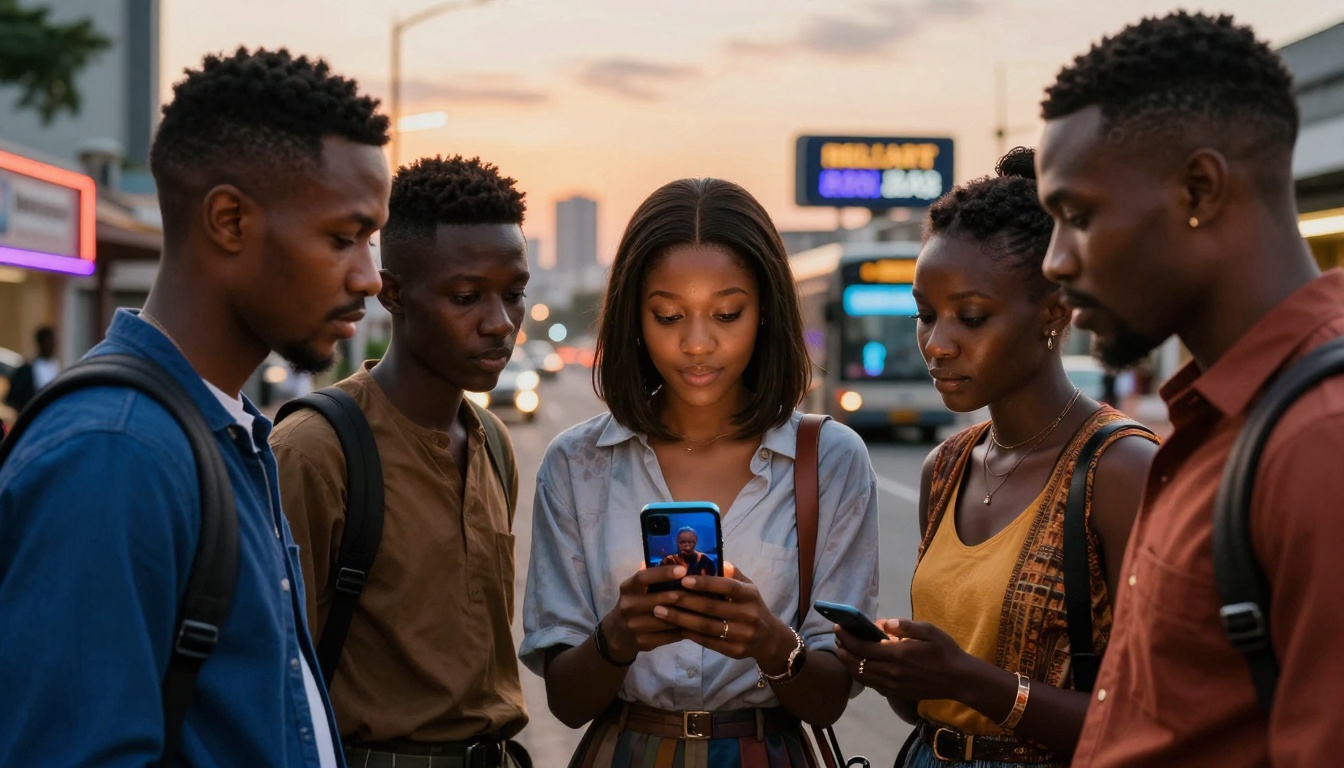
In Nigeria in 2026, reality TV doesn’t wait for you to sit down and “watch”. It meets you on the bus, in the salon, during lunch break, and in the quiet five minutes before sleep. Phones are in hand, data is rationed, and the loudest moments travel faster than the full episode ever could.
For most young Nigerians, “reality TV” still means Big Brother Naija first, then the wider family of dating shows, talent contests, and glossy “life-style” series. Even when the hype rises and falls, the influence stays. A single argument, a party scene, a look, a line, can become the week’s soundtrack.
This is a balanced look at what that influence changes, from style and speech to dreams, dating, and online life, with the good, the messy, and the parts nobody admits out loud.
Reality TV in Nigeria in 2026, what’s still shaping the youth conversation
Reality TV in 2026 is less of a “programme” and more of a shared habit. People watch with their group chats open. They don’t just follow the show, they follow the reactions: the clips, the memes, the fan accounts, the voting drama, the live commentary that turns one scene into a thousand arguments.
Big Brother Naija remains the main reference point, even if fewer people watch every hour. Life is expensive, time is tight, and plenty of viewers now pick highlights over full episodes. As of early January 2026, there’s still no official announcement for a fresh 2026 edition beyond the current Season 10 focus, which says a lot about how the conversation has shifted. The culture runs ahead of the schedule.
The real power isn’t only what happens on TV. It’s what happens after, on TikTok edits, X threads, Instagram comments, and WhatsApp forwards. A five-second glance can become a personality test. A housemate’s tone can become a campus debate about “attitude”. A friendship can become a lesson about loyalty, whether or not it’s fair.
Researchers have even started studying the show the way people study elections or public opinion, using social media posts to measure mood and arguments in real time, as seen in this open access analysis of #BBNaija sentiment and topics: Topic modelling and sentiment analysis for public opinion mining of the #BBNaija reality TV show.
So when people say, “I don’t watch that thing”, they might be telling the truth. But they’ve still seen the clip. And that’s enough to shape taste.
Why Big Brother Naija still sets the tone, even when interest dips
One season can drop a whole pack of trends into the street. A phrase becomes a caption. A dance move shows up at birthdays. A style choice moves from TV to thrift markets and Instagram stores.
Even people who don’t follow the story know the moments. Someone will say, “Did you see that last night?” and a short video appears, already cropped, already subtitled, already ready for jokes. The effect is like harmattan dust, it settles quietly, then you notice it’s everywhere.
The show also keeps feeding the idea that fame can start from nowhere. Ordinary people walk in, cameras roll, and by the time they step out, they’ve become brands. That story is powerful in a country where many young people feel unseen.
How social media turns episodes into a daily youth hangout
In 2026, reality TV works like a public group chat with strangers. There’s a loop:
Live reactions in tweets and spaces, short clips on TikTok, fan edits with music, memes that rewrite what happened, then hot takes that make it feel personal.
That loop creates belonging. It gives young people something to share across cities, tribes, and income levels. You can be in Minna and argue with someone in Lekki like you’ve known them for years, because both of you watched the same ten seconds.
But the loop also eats attention. It’s easy to lose two hours to “just one more clip”. Some students plan study time around episode hours. Some workers hide earbuds at their desks. When the show is hot, it can pull focus from school, work, and even sleep, without anyone noticing until the body starts to complain.
From drip to slang, how reality TV is changing Nigerian youth identity
Youth identity in Nigeria has always moved fast, but reality TV adds petrol to the fire. It’s not just entertainment, it’s a style catalogue, a speech lab, and a social test. People copy what looks confident, what looks desired, and what seems to win attention.
The influence shows up in small places. In how someone holds eye contact during an argument. In how they pose for pictures. In how they narrate their own life, like an audience is always watching.
It’s also why reality TV can feel like a mirror. You see parts of yourself you like, and parts you don’t. Then you decide what to keep.
Fashion and beauty trends youths copy straight from the screen
Reality TV fashion in Nigeria is rarely subtle. It’s shiny, fitted, loud, and camera-ready. On-screen looks often translate into:
- Designer-name flexing, even when it’s thrifted or borrowed
- Streetwear with clean trainers and sharp accessories
- Bodycon fits, corset tops, and “going-out” pieces built for photos
- Wigs, braids, lashes, laid edges, and polished nails
- Crisp haircuts and beards shaped like artwork
The reason it spreads is simple: it photographs well. In 2026, your outfit isn’t only for the room, it’s for the lens. A “fresh” look is social currency on campus, at parties, and online.
The downside is the pressure. When “soft life” aesthetics become the standard, some young people start spending money meant for transport, food, or school fees just to keep up appearances. Looking good turns into a weekly stress, not a personal choice.
Language, catchphrases, and the speed of new Nigerian slang
Reality TV speeds up slang the way rain speeds up weeds. A line drops on Sunday, by Wednesday it’s in school corridors, market stalls, and WhatsApp statuses.
What makes it stick is the mix. Nigerian youth language in 2026 isn’t one thing, it’s English, Pidgin, and local languages woven together, then shortened for captions. Reality TV gives it new phrases to carry emotion quickly: shade, pride, sarcasm, flirting, warnings, all packed into a few words.
Slang can build community. If you know the phrase, you’re “in”. But it can also exclude people. Some teenagers feel embarrassed when they don’t get the joke. Some older siblings feel shut out of conversations at home. The language becomes a gate, and the key is constant online presence.
Love, gender, and friendship, the relationship lessons youths pick up from reality TV
Reality TV doesn’t just show romance, it sells a story about romance. It teaches what love should look like in public, what jealousy should sound like, and how quickly people should “move on” after conflict.
For Nigerian youth in 2026, that matters because many people learn relationship scripts from screens more than from careful conversations at home. The show can normalise good behaviour, like apologising properly or setting boundaries. It can also normalise unhealthy patterns, like constant suspicion, shouting, and using embarrassment as punishment.
Media writing on the show often points out how it reflects youth struggles, not only gossip. This feature captures that wider angle: Beyond the drama: How Big Brother Naija reflects the spirit and struggles of a generation.
Ships, jealousy, and public romance, when dating becomes a performance
Online “ships” make relationships feel like football teams. People pick a couple, defend them, and attack anyone who threatens the story.
That energy leaks into real dating. Some young people now feel they must post their partner to prove love. Some expect grand gestures because they saw it on-screen. Some even copy the habit of flirting in public to trigger jealousy, because they think that’s how attention works.
There are upsides. Viewers sometimes learn to speak about feelings, to ask for clarity, to recognise manipulation. But the performance culture can also make private love feel boring, when boring is often where peace lives.
Confidence and gender talk, what young people gain, and what can go wrong
Reality TV has helped push bold conversations about gender roles in Nigeria. Young women see women speak up, refuse disrespect, and demand fair treatment. Young men see different versions of masculinity, not just toughness, but vulnerability too.
At the same time, the loudest scenes can reward the worst habits. Insults become “content”. Shouting matches become “iconic”. Someone who plays mind games might trend more than someone who stays calm.
The lesson many youths absorb is not always “be kind”. Sometimes it’s “be loud enough to be seen”. That can affect friendships too, where people copy cliques, betrayal storylines, and public call-outs instead of quiet conflict resolution.
Clout, money, and careers, reality TV’s influence on youth goals in 2026
Reality TV changes how success looks. It puts a spotlight on fast fame, brand deals, luxury fits, and nightlife. In a tough economy, that can feel like oxygen. It’s not shocking that many young Nigerians see reality TV as a possible shortcut out of struggle.
But the influence is bigger than auditions. It shapes the everyday hustle. It teaches people how to package themselves, how to build an audience, and how to turn attention into money. It also teaches the darker side of attention: stan wars, bullying, and the stress of being watched.
There’s a debate in Nigerian pop culture about whether the Big Brother era is fading or just changing shape. This essay captures that tension well: Big Brother Naija: The End of An Era in Nigerian Pop Culture?.
“Soft life” pressure and the cost of looking like a star
The “soft life” dream isn’t new, but reality TV gives it faces and outfits. You see a housemate step out in glossy clothes, talk about trips, carry new gadgets, and speak like money is normal.
That can inspire people to aim higher. It can also crush people quietly.
Comparison is the thief in the room. A 19-year-old might feel behind because their life doesn’t look like a curated highlight reel. Some youths take risky shortcuts to look rich, from debt to fake lifestyles. Others build resentment, feeling like hard work is pointless if fame wins faster.
The emotional cost shows up as low self-esteem, impatience, and a constant fear of missing out. You can’t enjoy your own progress if you’re always measuring it against someone else’s edited shine.
New paths, media jobs, content skills, and the reality check youths need
Reality TV has also opened doors that don’t require being a contestant. The ecosystem around these shows creates real work:
Social media management for brands and personalities, styling and make-up, video editing, photography, event hosting, and PR. Fan pages run like small newsrooms. They post fast, track trends, design graphics, and manage comments. Those are real skills, even if people laugh at the source.
Some youths learn organising too, raising funds for votes, coordinating teams, and pushing hashtags like campaigns. That’s digital organising in plain clothes, but it can slide into harassment when loyalty turns into cruelty.
A simple reality check helps: fame is rare, skills are common and skills last longer. If a young person loves the industry, the smartest path is to build something steady behind the scenes.
A few practical moves that don’t require luck:
- Learn one sellable skill (editing, design, make-up, writing, coding, sales).
- Build a small portfolio online, even if it’s unpaid at first.
- Protect your time, set app limits during exam or work weeks.
- Treat clout like weather, it changes fast.
Conclusion
Reality TV in Nigeria in 2026 is both a mirror and a megaphone. It reflects what young people already feel about money, love, status, and freedom, then it amplifies it until everyone hears.
It shapes style, it speeds up slang, it rewrites dating expectations, and it pushes new career dreams, from influencing to media work. It also brings pressure, distraction, and a loud kind of conflict that can look normal when you see it often.
The best way to watch is with sense. Enjoy the entertainment, borrow the good lessons, and question the parts that push you into stress or performance. What changes have you noticed in how young people dress, speak, or date because of reality TV?








