Listen to this post: How to Build Money Systems Even If You’re Bad with Spreadsheets
Picture this: receipts crumpled in your coat pocket, banking app pings lighting up your phone like fireworks, and that nagging voice saying, “I’ll sort the finances later.” Sound familiar? You’re not alone. Plenty of people feel lost with money because spreadsheets look like alien code. But here’s the good news. You can create solid money systems with simple habits, bank tricks, and automation that handle the heavy lifting.
No need for endless columns or maths marathons. This guide walks you through a setup you can copy in one weekend. It runs on autopilot most days, with just a quick weekly glance. By the end, your cash will flow to where it counts: bills paid, savings growing, and fun money without guilt. Let’s ditch the overwhelm and get your pounds working for you.
Start with a money system you can actually stick to
The top system wins if you use it every time. A money system just means clear rules: where cash lands each month, where it heads next, and how you spot-check it. Think of it like train tracks for your pounds. Set them right once, and the money follows without daily nudges.
Cut choices to bare bones. Use bank defaults and make bad moves tough. For example, shunt bills and savings away first on payday. What’s left stays for spending. No daily logs needed. This beats fancy trackers that gather dust.
People quit complex plans fast. A simple one fits your life. It might mean pots in your bank app or separate accounts. The key? Match it to how your brain works. No shame if numbers bore you. Apps count for you.
Recent tips stress starting small. List income first, then essentials like rent and food. Leftovers go to buffers or goals. This setup cuts surprises. One stat shows one in ten Brits have no savings at all. A basic system changes that quick.
The best budgeting apps in the UK round out options without effort. They link accounts and show patterns.
Pick a method that matches your brain (no maths required)
Choose from three no-fuss styles. First, the “safe-to-spend” approach suits category haters. Dump fixed costs aside. Enjoy the rest without labels. Say you earn £2,500 monthly. After £1,000 bills and £300 savings, £1,200 plays free.
Second, pots or envelopes fit limit lovers. Your bank app splits cash into named spots: £400 groceries, £200 fun, £150 travel. Hit zero? Stop spending there. Apps track it live.
Third, zero-based budgeting gives control fans total say. Assign every pound a job. Bills get theirs, then savings, then spending. Apps like those handle sums.
Groceries might eat £300. Travel saves for holidays. Subscriptions? Cap at £50. Apps auto-sort these. Pick safe-to-spend if you crave freedom. Go pots for boundaries. Zero-based if you track every bit.
No one-size-fits-all. Test one. It takes minutes to switch.
Build your ‘four buckets’ so every pound has a home
Divide into four pots: Bills, Everyday, Savings goals, Future. Bills cover rent, utilities, phone. Everyday means food, fuel, treats. Savings goals build emergency funds or holidays. Future feeds investments or pensions.
Use bank pots, spaces, or accounts. Starling or Monzo offer free pots. Or open a basic bills account elsewhere. Example split on £2,500 pay: 40% bills (£1,000), 30% everyday (£750), 20% savings (£500), 10% future (£250).
Adjust as needed. Single? Shrink bills pot. Family? Boost everyday. Start with three months’ expenses in savings for shocks. That’s £3,000 if basics run £1,000 monthly.
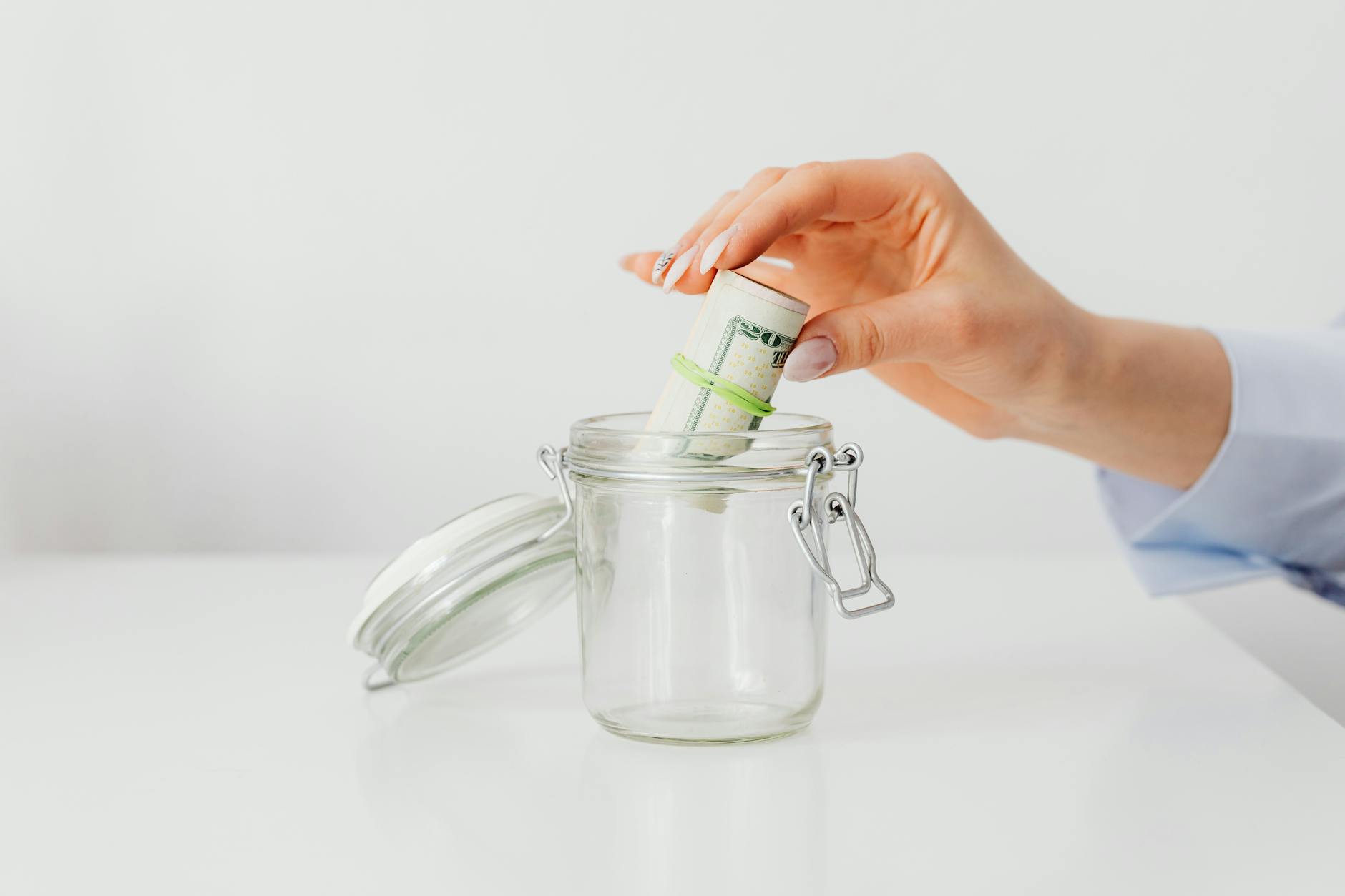
Photo by Karola G
Label clear: “Emergency Buffer”, “Holiday Pot”. Visual pots motivate. Every pound lands home. No lost cash.
Set up automation so your system runs without willpower
Banks and apps automate the grind. Set payday transfers, bill dates, alerts. Life speeds up, but money sorts itself. No weekly willpower battles.
Standing orders move cash fast. Alerts ping for low pots. Direct debits align with pay. Your system hums quiet.
January 2026 advice pushes auto-saves. Like pensions, but for you. Subscriptions waste £1,200 yearly on average. Spot them via auto-alerts, cancel extras, save £400.
Best budgeting apps 2026 like Plum or Emma use open banking. They nudge saves round-up style.
Make payday your “money reset day” with automatic splits
Pick pay date, say 25th. List fixed bills: rent £800, council £150, phone £30. Total £980.
Day before pay, clear pots. Set standing order: £980 to bills account or pot. £500 to savings. £250 to future (Stocks and Shares ISA shines tax-free). Rest sits everyday.
Buffer tip: Keep £200 extra in bills pot. Avoids overdraft fees. Use separate bills account at a no-fee bank. Transfers hit midnight payday.
Steps: Log bank app. Tap “Pots” or “Standing Orders”. Enter amount, date, recipient pot. Test with small run first.
Irregular pay? Base on last month. Windfalls split 50% savings, 50% fun.
Use a beginner-friendly app instead of building your own tracker
Skip custom sheets. Grab apps that sync banks. Monarch Money shows net worth simple. Great overview fans.
YNAB teaches zero-based, crushes debt. Control seekers love it.
PocketGuard spits “safe-to-spend”. Freedom types pick this.
Copilot auto-tags spends smart.
Goodbudget does envelopes, shares with partners.
For UK ease, try Finance Blueprint budgeting guide. Matches personality: simple for newbies, shared for couples.
Free trials first. Strong passwords, read privacy terms. Start manual if sync spooks. Link one account. Apps cut subscription waste auto.
Keep it running with quick check-ins and simple rules for real life
Minutes keep it tight. Weekly peek, monthly tweak. Mess-ups happen: big shop, car fix. Fix small, no quit.
Shame kills plans. Treat slips as data. One over? Trim another. Buffer catches rest.
Irregular income? Budget last month’s take-home. Bigger buffer smooths.
The 10-minute weekly check-in that stops small leaks
Sunday evenings work. Phone reminder set.
Checklist:
- Eye safe-to-spend or pots. Low? Top up.
- Scan last transactions. Odd takeaway? Note.
- Shift cash if needed: £20 from fun to groceries.
- Check bills due. All covered?
- Jot one tweak: “Cut coffee runs.”
Coffee in hand, app open. Done. Spots leaks early.
How to handle overspending, refunds, and messy months without giving up
Fun pot empty mid-week? Pause Netflix, shift £10 from travel.
Refund hits? Back to origin pot. £50 return? To groceries.
Messy month: Base on prior income. Oops fund (part of savings) covers shocks. Three months’ buffer ideal.
Irregular pay: 80% last month to buckets, 20% buffer. Windfall? 50% savings goals, 30% future ISA, 20% treat.
One category balloons? Slash next: dining down if groceries up. Subscriptions? Audit bank statements, axe unused.
Lifetime ISAs suit home or retirement saves. Minimal tweaks keep you on track.
Build habits that last
Fewer surprises beat perfect logs. You picked a brain-fit method, automated splits, added quick checks. Pounds now guard you.
Start today: Set one payday transfer, make a pot, or link an app. Your future self thanks you. What’s your first move?
(Word count: 1492)