
Listen to this post: How Mis- and Disinformation Became a Top Global Threat
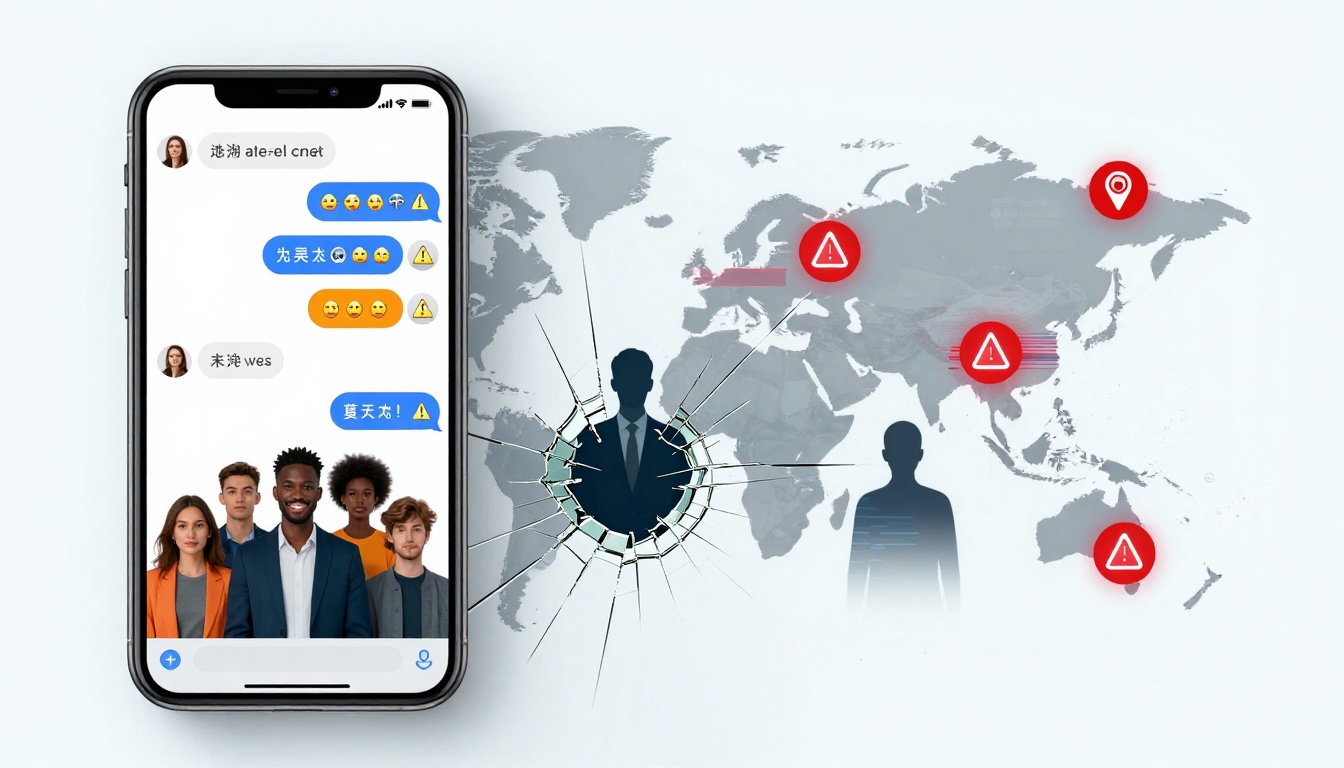
Picture a family chat group during a health scare. One relative shares a post claiming a miracle cure. Arguments erupt. Shares fly. Trust cracks. Now imagine that on a global scale: election nights where rumours twist results, or trade spats where fake stories stir crowds.
The World Economic Forum’s Global Risks Report 2026, released this January, flags misinformation and disinformation as the second biggest short-term risk. It sits just behind geoeconomic confrontation, like tariffs and sanctions between nations. Misinformation means false info spread by accident, such as a hasty share of bad diet tips. Disinformation involves deliberate lies, like forged videos to rig votes.
This post traces how online noise turned into a force that splits societies and blocks fixes for issues like climate change or economic woes. It links to deeper troubles: polarisation that ranks third, and even armed clashes. Stick around for simple ways to spot fakes and fight back.
The Building Blocks: What Drives Misinformation and Disinformation
False info spreads like wildfire in dry grass. People share it without a second thought. Platforms make it worse by favouring shock over facts.
Misinformation happens when someone posts wrong details by mistake. Think of a friend tweeting untested remedies during a flu outbreak. They mean well but cause harm. Disinformation is different. Bad actors craft lies to divide or profit. A group might release a doctored clip of a leader promising free cash to sway an election.
Social media algorithms play a big part. They boost posts that spark anger or surprise because those get more clicks. Truth takes time to check, so lies race ahead. Since the early 2020s, AI has poured fuel on the fire. Tools create deepfakes: videos where faces swap or voices mimic perfectly. Viewers can’t tell real from fake at a glance.
Geoeconomic tensions add heat. When countries slap tariffs on each other, rivals flood feeds with smears. This matches the WEF report’s view: false info drives societal polarisation, now the third risk. Groups dig into their views, ignoring facts that challenge them.
Tech’s Role in Supercharging the Spread
Apps chase engagement. A calm fact post gets few likes. A wild claim about a politician stealing funds? It explodes. Algorithms learn this and push more outrage.
AI changed the game around 2020. Cheap tools generate fake news articles or images in seconds. During debates, altered clips of candidates surfaced, fooling millions. Platforms struggle to catch up. By 2026, experts say over half of online content could mix truth and fakes. Check the Global Risks Report 2026 for data on how this blurs reality.
Human Factors That Make Us Easy Targets
Our brains betray us. Confirmation bias pulls us to stories that match what we already believe. A climate sceptic skips proof of warming but grabs a hoax graph.
Past scandals eroded faith in experts. Think dodgy reports that later proved false. Now, many dismiss doctors or officials outright. The WEF ties this to polarisation: divided groups can’t agree on basics, like election rules or safety measures. We crave simple answers in tough times, and lies fill the gap.
Key Crises That Showed the True Damage
False info doesn’t stay online. It spills into streets and hospitals. Patterns since 2020 reveal the cost: lives lost, votes stolen, peace shattered.
In health scares, rumours delay real help. People skip vaccines after tales of secret plots. Panic buying empties shelves on whispers of shortages. The WEF notes 50% of leaders expect stormy years ahead, partly from this distrust.
Elections turn chaotic too. Lies about ballot fraud spark protests that turn violent. Fake tallies sway close races. Conflicts worsen when atrocity hoaxes stir revenge. All this chains into bigger woes: unrest feeds economic pain, which births more lies.
The report warns of cascades. Disinformation amps other risks, like denying storms to dodge climate fixes or justifying wars with myths.
Health and Safety Hits
Wrong cures spread fast. In outbreaks, posts claim herbs beat medicine. Patients die waiting. Governments scramble as trust fades. Fact-checks arrive too late. See how this delayed action in past waves.
Election and Social Chaos
Rumours rig the game. Claims of dead voters flood chats pre-poll. Losers cry foul on fake evidence. Riots follow, shops burn, divides harden. The WEF ranks this high for good reason.
Global Tensions Amplified
Trade fights brew disinformation storms. Fake docs “prove” rivals poison exports. Sanctions follow, prices soar. Nations point fingers, alliances crack. It ties straight to the top risk: geoeconomic clashes.
Why Experts Now Call It a Short-Term Top Threat
The WEF’s January 2026 report pulls no punches. Over 1,300 experts ranked risks across timeframes. For 2026 and the next two years, geoeconomic confrontation tops the list at number one. Think weaponised trade: tariffs, bans, boycotts.
Misinformation and disinformation claims second spot. It outranks extreme weather (fourth) and state conflicts (fifth). Third is societal polarisation. The full top five runs like this:
| Rank | Risk |
|---|---|
| 1 | Geoeconomic confrontation |
| 2 | Misinformation and disinformation |
| 3 | Societal polarisation |
| 4 | Extreme weather |
| 5 | State-based armed conflict |
AI deepfakes fuel the rise. They hit elections hard, from the US to India. Lies spread on social media, deepening rifts. The report predicts a “stormy” decade for 57% of experts.
Why so urgent now? False info erodes the trust needed for teamwork. Economic pain from tariffs sparks unrest; lies pour oil on it. Over ten years, climate jumps ahead, but disinformation holds at fourth. Broader links show danger: it worsens cyber threats (sixth) and inequality. For more, read the WEF press release on rising geopolitical risks.
Conclusion
We started with family fights over fake posts and landed at a WEF alarm: mis- and disinformation as a top threat, feeding polarisation and trade wars.
Fight back with these steps: pause before sharing; check sources on sites like Full Fact; seek views from the other side; use tools to spot deepfakes; talk facts with mates.
Aware people blunt this blade. In 2026’s tense world, your habits matter. Share this post. Subscribe to CurratedBrief for briefs on risks ahead. What fake will you question next?
(Word count: 1,472)